noun
apostrophe
uh-PAH-struh-fee/əˈpɑːstrəfi/
A punctuation mark showing possession or omitted letters.
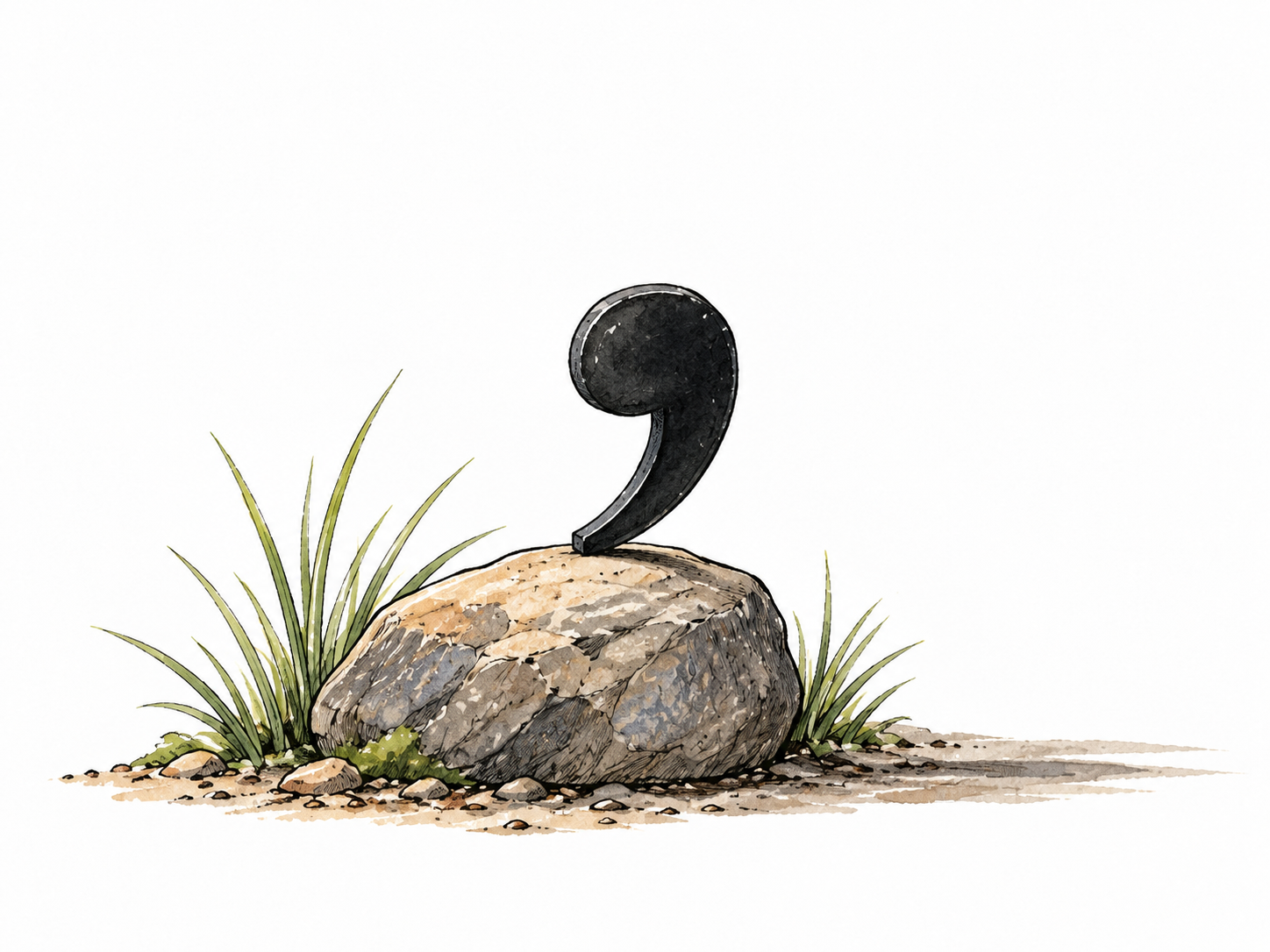
The raised curved mark is an apostrophe.
Etymology
The image of “turning away” became a name for a mark indicating an omitted letter. Its possessive use often marked the missing e in -es, then spread to possessives without that omission.
In context
the punctuation mark the apostrophe, which still marks where some letters have been missed out, as it always has done.
More examples
- She added an apostrophe to show possession.
- The sign misplaced its apostrophe.
- An apostrophe should not appear in that ordinary plural.
Forms
apostrophe · apostrophes
Similar words
- comma
- A comma separates sentence elements at the baseline; an apostrophe is raised and marks possession or omission.
- quotation mark
- Quotation marks enclose quoted material; an apostrophe serves different grammatical purposes.