noun
respiration
res-puh-RAY-shuhn/ˌrespəˈreɪʃn/
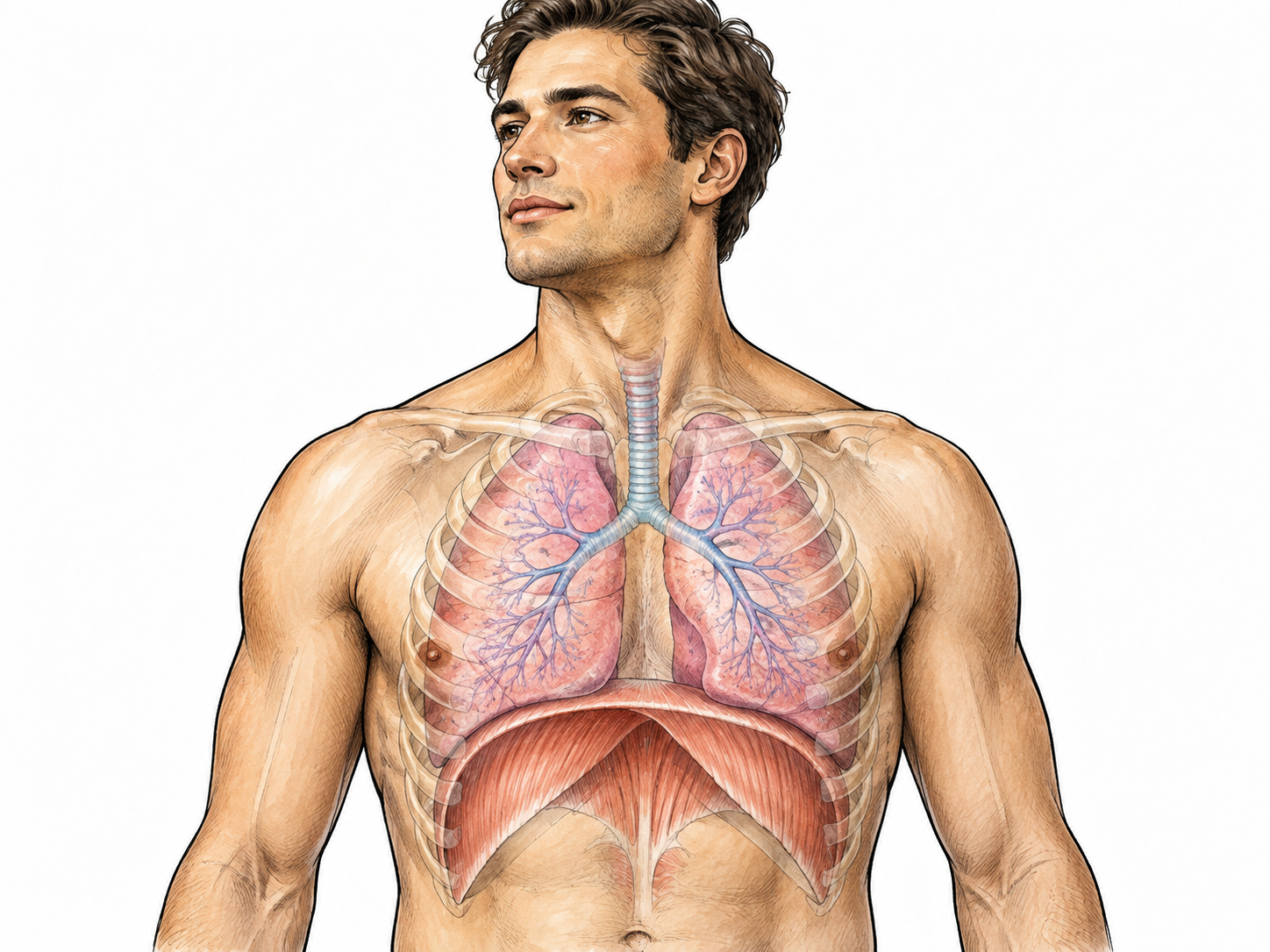
The process of exchanging gases between an organism and its environment.
During respiration, oxygen enters the body and carbon dioxide leaves.
Etymology
“Breathe again” also meant “breathe in and out,” giving the noun its sense of the breathing process. Its application later extended beyond breathing by lungs to plants.
In context
used as energy in the plants also when a plant dies carbon dioxide's given off from the decomposition of the plant and oxygen is additionally important in the process of respiration
More examples
- Fish use their gills for respiration.
- The nurse checks the patient's respiration after surgery.
- Heavy exercise increases the rate of respiration.
Forms
respiratory adjective — Relating to breathing and gas exchange.
Similar words
- breathing
- Usually refers to moving air into and out of lungs.
- gas exchange
- Emphasizes the transfer of oxygen and carbon dioxide.