noun
complaint
kuhm-PLAYNT/kəmˈpleɪnt/
A statement alleging a problem or wrongdoing.
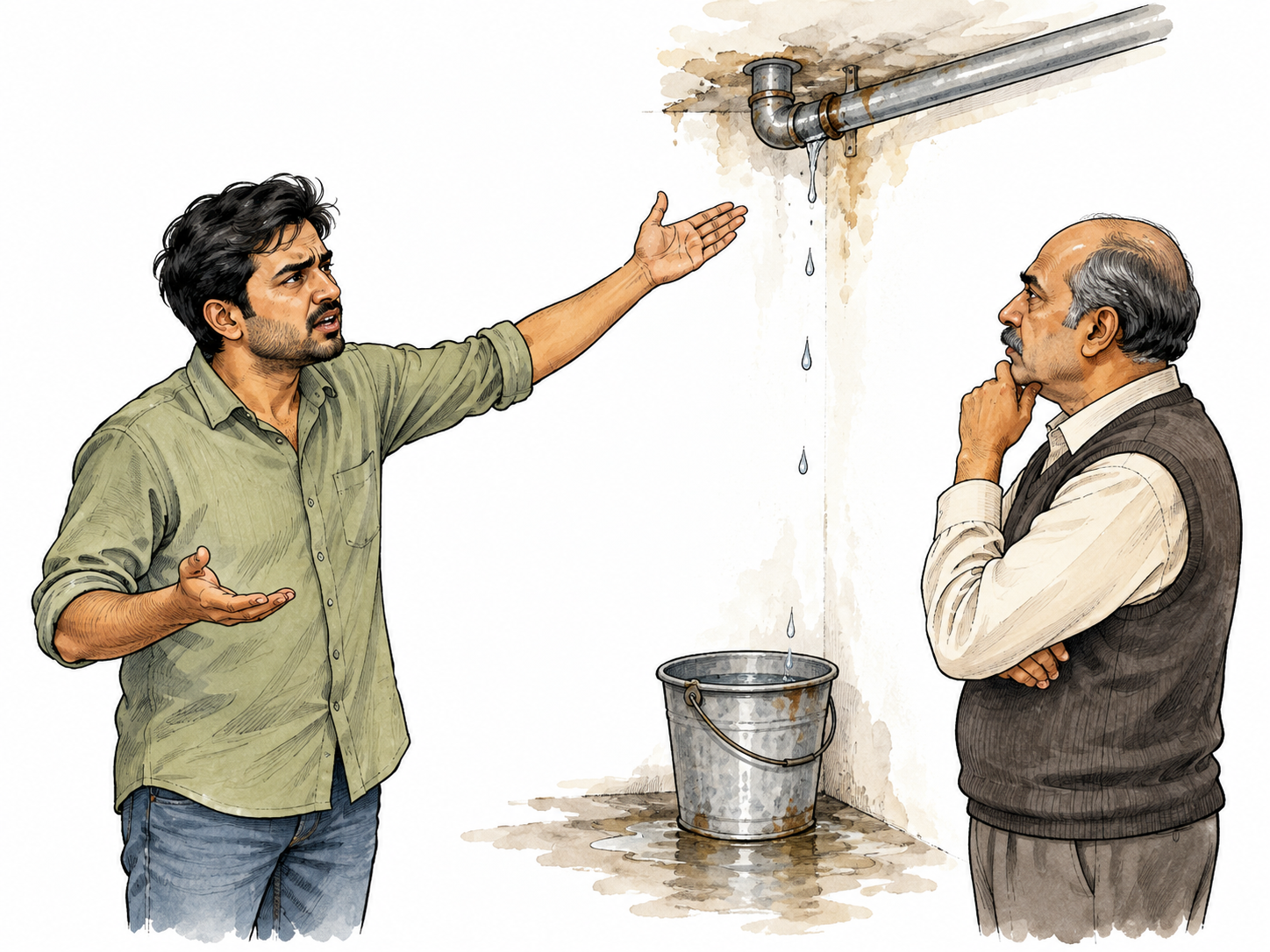
The tenant makes a complaint to the landlord about the leaking pipe.
Etymology
With com- perhaps adding emphasis, the root evokes beating the breast in grief. An expression of suffering developed into an expression of grievance: a statement that something is wrong.
In context
this was my complaint when we watched it was it it's that that lack of a leadership element
More examples
- The manager listens to my complaint about the slow service.
- Neighbors file complaints about noise from the construction site.
- The lawsuit begins with a complaint alleging that the company committed fraud.
Forms
complaint · complaints
complain verb — To say something is wrong or unsatisfactory.
complainant noun — A person who makes a formal complaint.
Similar words
- grievance
- A grievance emphasizes unfair treatment rather than general dissatisfaction.
- allegation
- An allegation asserts wrongdoing but does not establish its truth.
- protest
- A protest expresses strong objection, often openly or publicly.