DictionaryRoot: com-
Latin

com-

with, together; sometimes thoroughly

Forms

  • com-
  • con- — Used before many consonants in Latin.
  • col- — Used before l in Latin.
  • cor- — Used before r in Latin.
  • co- — Shortened especially before vowels.

Origin

Reconstructed Proto-Indo-European *kom, ‘with; beside.’

Note

In some formations, togetherness shades into completeness; the prefix’s exact contribution can be uncertain.

236 / 265
noun / verb

copy

KAH-pee/ˈkɑːpi/

A reproduction or close imitation of an original.

The copier produces a copy of the original colored design.
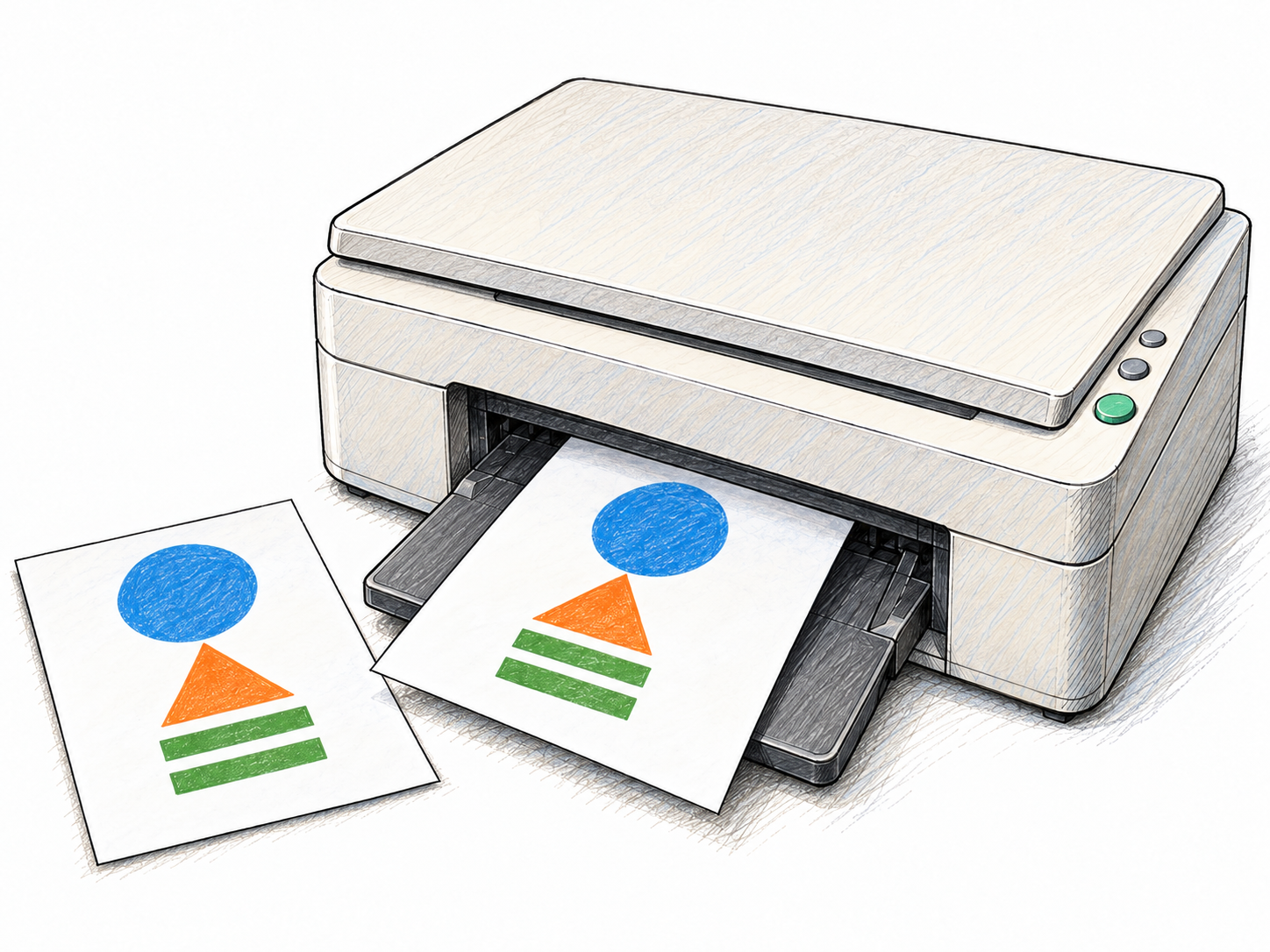
An open flatbed photocopier holds an original sheet with a simple colored geometric design; an identical reproduced sheet emerges into its output tray.
Etymology

“Together” and “resources” formed Latin copia, meaning “abundance.” The connection with reproduction is writing “in plenty”: producing a text repeatedly, with copia coming to mean a transcript.

In context

CNI: Coalition for Networked Information19:38
if you commit to the cloud as long-term storage you have two choices you either keep a copy of your original you either keep a copy of everything outside the cloud
Improving the Odds of Preservation

More examples

  • She copied the recipe into her notebook.
  • His painting is a close copy of the earlier work.
  • We have copied all the files to another drive.

Forms

copy · copies · copied · copying

copier noun — A machine that reproduces documents.

Similar words

duplicate
Usually suggests a very close or exact reproduction.
replica
Usually a carefully made reproduction of a physical object.