DictionaryRoot: -itas
Latin

-itas

a quality or state

Forms

  • -itas
  • -itat- — Latin stem used outside the basic noun form.
  • -ity — English form developed through French.

Origin

Latin -tas, a suffix for abstract nouns, with a preceding i; the suffix continues an older Indo-European abstract-noun formation.

Note

Turns a description into something that can be discussed as a quality in its own right.

21 / 222
noun

capacity

kuh-PAS-uh-tee/kəˈpæsəti/

The amount something is able to contain or accomplish.

The jug holds water up to its one-liter capacity line.
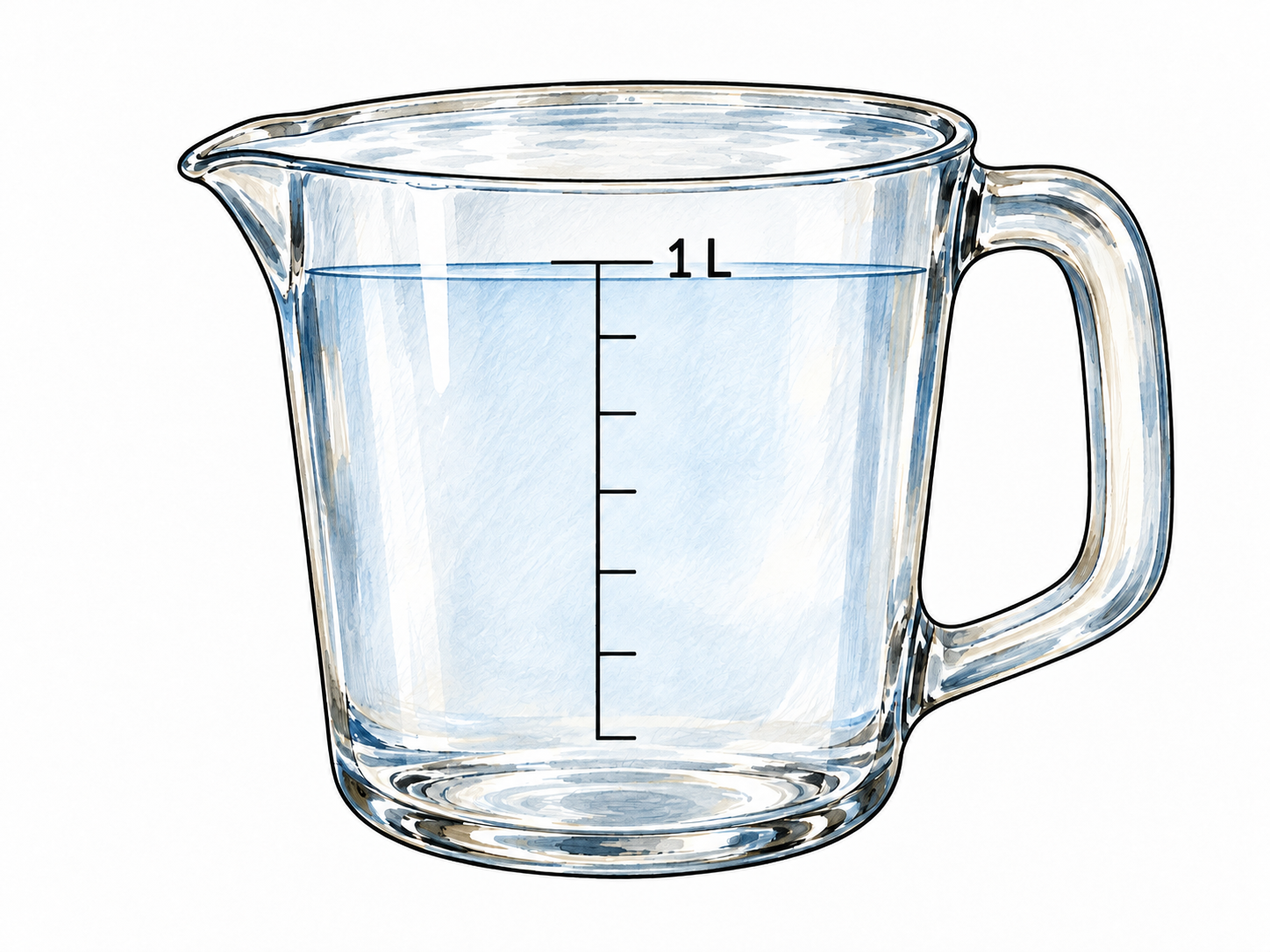
Clear measuring jug filled exactly to its top capacity line, one essential '1 L' mark, no overflow; maximum volume clear.
Etymology

Being “able to hold much” becomes a noun for holding power. That idea covers both a container’s maximum contents and, more broadly, how much something can produce or accomplish.

In context

TED18:04
manufacturing capacity. And idle manufacturing capacity. We must be bringing us into a position that we can produce 12 billion doses of vaccine
Uğur Şahin and Özlem Türeci: Meet the scientist couple driving an mRNA vaccine revolution | TED

More examples

  • The factory operates at full capacity.
  • She has an extraordinary capacity for learning languages.
  • The assessment considers his legal capacity to sign the agreement.

Forms

capacity · capacities

Similar words

volume
Measures occupied space without necessarily indicating a maximum.
ability
Emphasizes what someone can do rather than physical containment.