adjective / adverb
alone
uh-LOHN/əˈləʊn/
Without anyone or anything else included or involved.
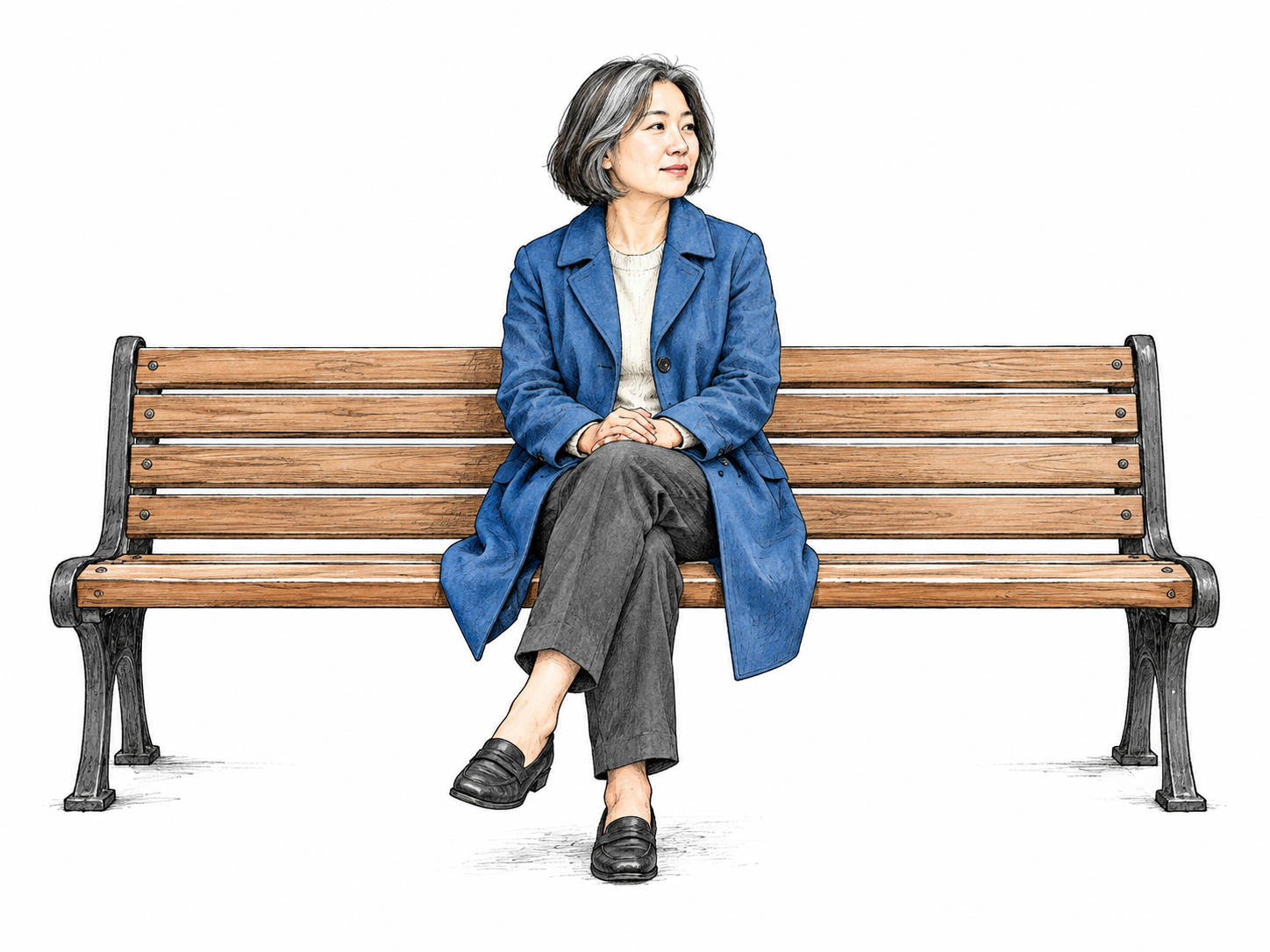
One person sits alone on the otherwise empty bench.
Etymology
The pieces mean ‘wholly one’: the original phrase expressed being entirely by oneself. Here ‘all’ strengthens the idea of a single person or thing, yielding the sense ‘without anyone or anything else present.’
In context
I must be alone. I can only bear to see people on this ship because it is a necessary way to solitude.
More examples
- She repaired the bicycle alone, without anyone's help.
- The shipping cost alone exceeds our budget.
- He prefers to walk alone when he needs to think.