adverb
altogether
awl-tuh-GETH-er/ˌɔːltəˈɡeðər/
Taking the whole into account without leaving anything out.
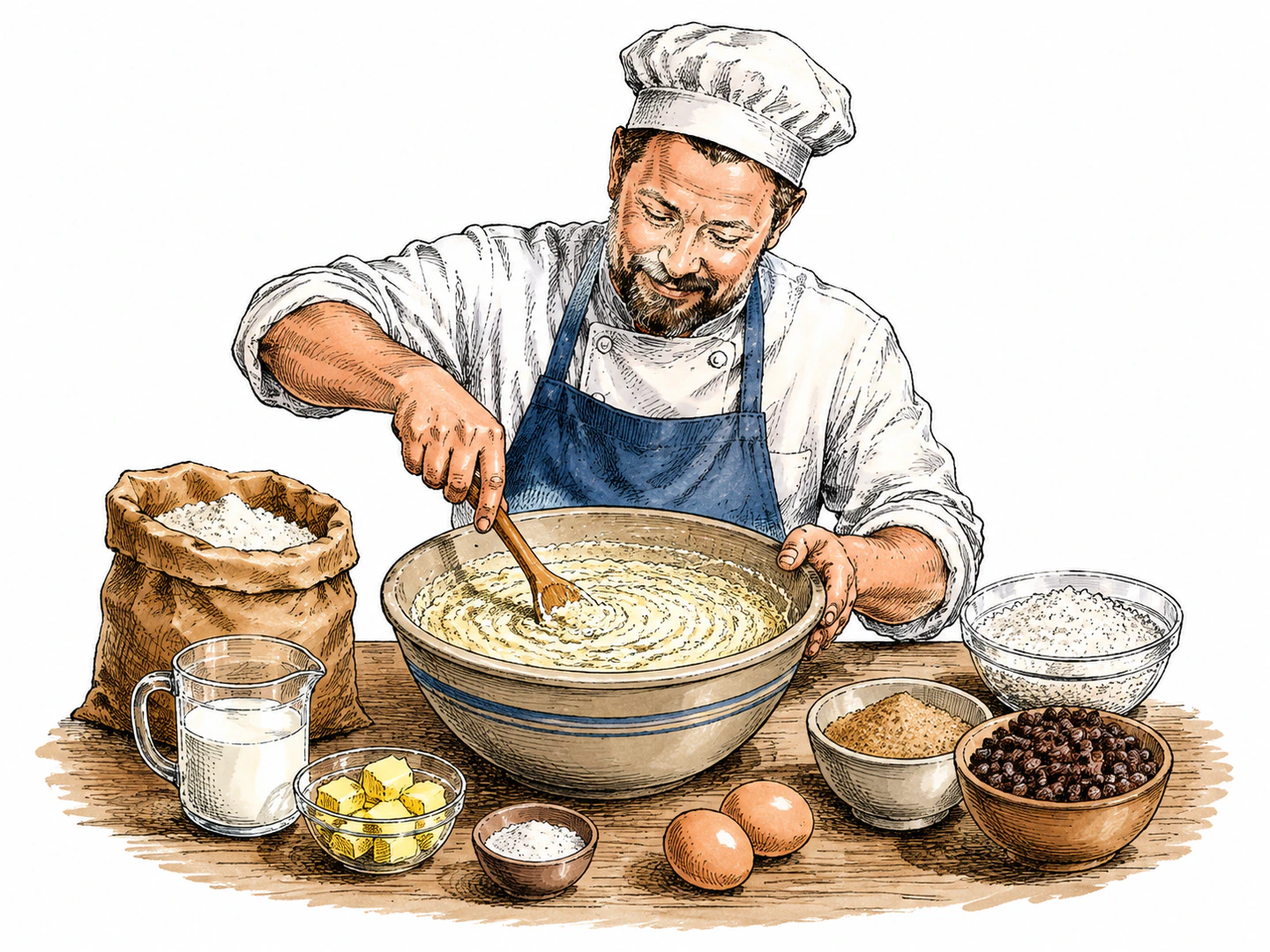
The baker's ingredients, taken altogether, form the complete mixture in the bowl.
Etymology
“Together” strengthens “all” to express completeness rather than merely being in one place. The word also came to mean considering everything as a single whole.
In context
Linguists tend to avoid the term dialect altogether.
electric vehicles are now expected to replace gas-powered ones altogether.
More examples
- The instructions are not altogether clear.
- Her arrival changes the mood altogether.
- Altogether, it was a productive meeting despite the delay.