verb
constitute
KAHN-stih-toot/ˈkɑːnstɪtuːt/
To form or establish a particular whole.
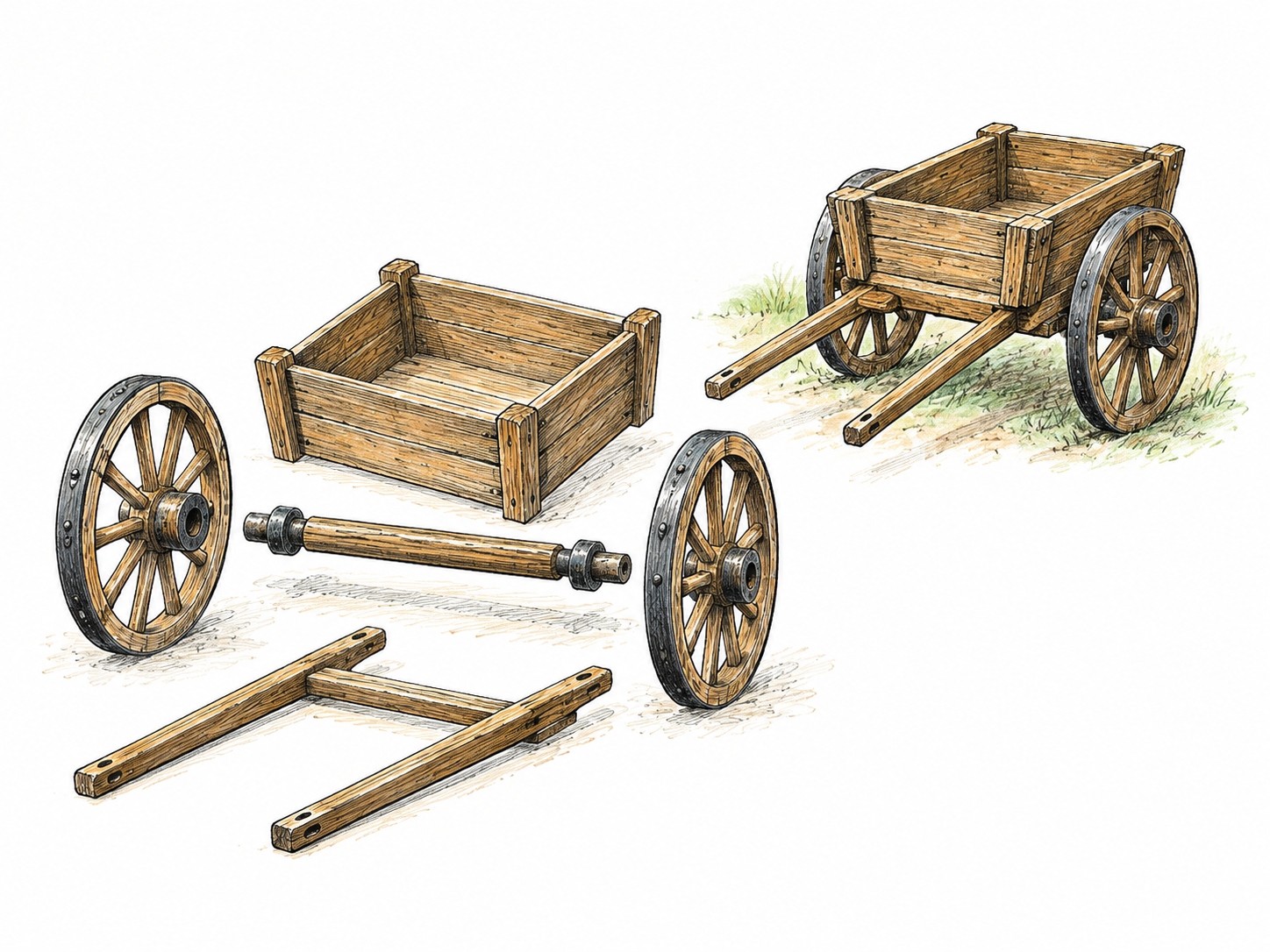
The wheels, axle, and handle constitute parts of the assembled handcart.
Etymology
The root means setting, with con- perhaps adding emphasis. The resulting idea of establishing or forming something underlies the sense in which its necessary parts constitute the whole.
In context
what constitutes new knowledge every archaeological excavation unearths new finds new features but does this constitute new knowledge
More examples
- Rent and groceries constitute most of my monthly expenses.
- Sharing customer passwords constitutes a serious breach of trust.
- The city council constituted a panel to review complaints.
Forms
constitute · constitutes · constituted · constituting
constituent noun — One part of a larger whole.
constitution noun — The basic makeup or structure of something.