adjective
dangerous
DAYN-jer-uhs/ˈdeɪndʒərəs/
Able or likely to cause harm or injury.
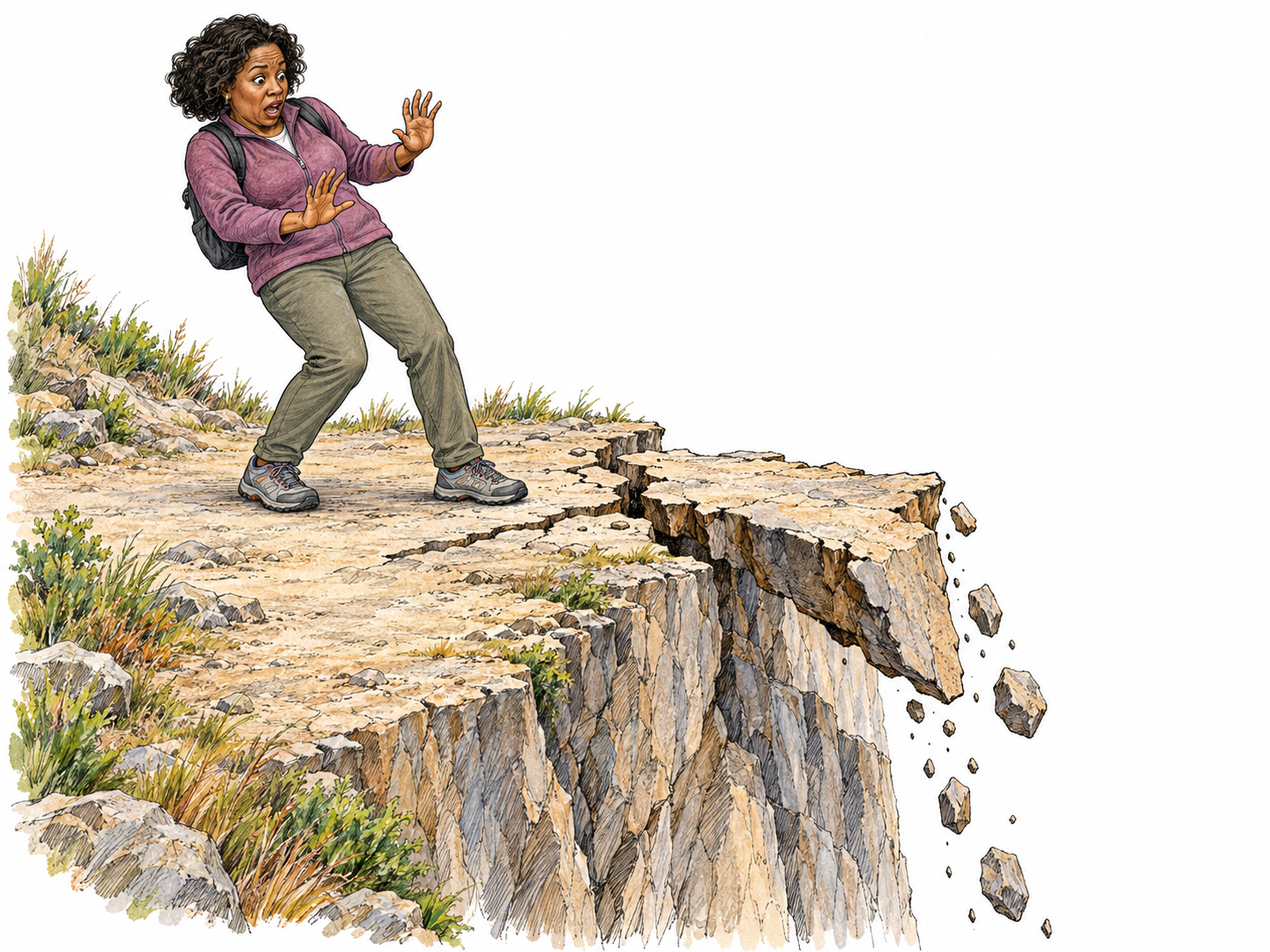
The crumbling cliff edge makes the path ahead too dangerous to cross.
Etymology
Danger once meant authority or power to harm: being under another's control could expose someone to injury. Dangerous shifted from describing someone overbearing or difficult to describing something hazardous or liable to cause harm.
In context
But the Mozambique spitting cobra is much more dangerous. They're responsible for thousands of the most serious bites and venom-related injuries recorded in their range.
More examples
- It is dangerous to swim in this current.
- The damaged wire created a dangerous situation.
- They removed the most dangerous branches first.
Forms
Similar words
- hazardous
- Often describes risky conditions, materials, or activities more formally.
- perilous
- Often implies a higher or more immediate degree of danger.