noun
defection
dih-FEK-shun/dɪˈfekʃn/
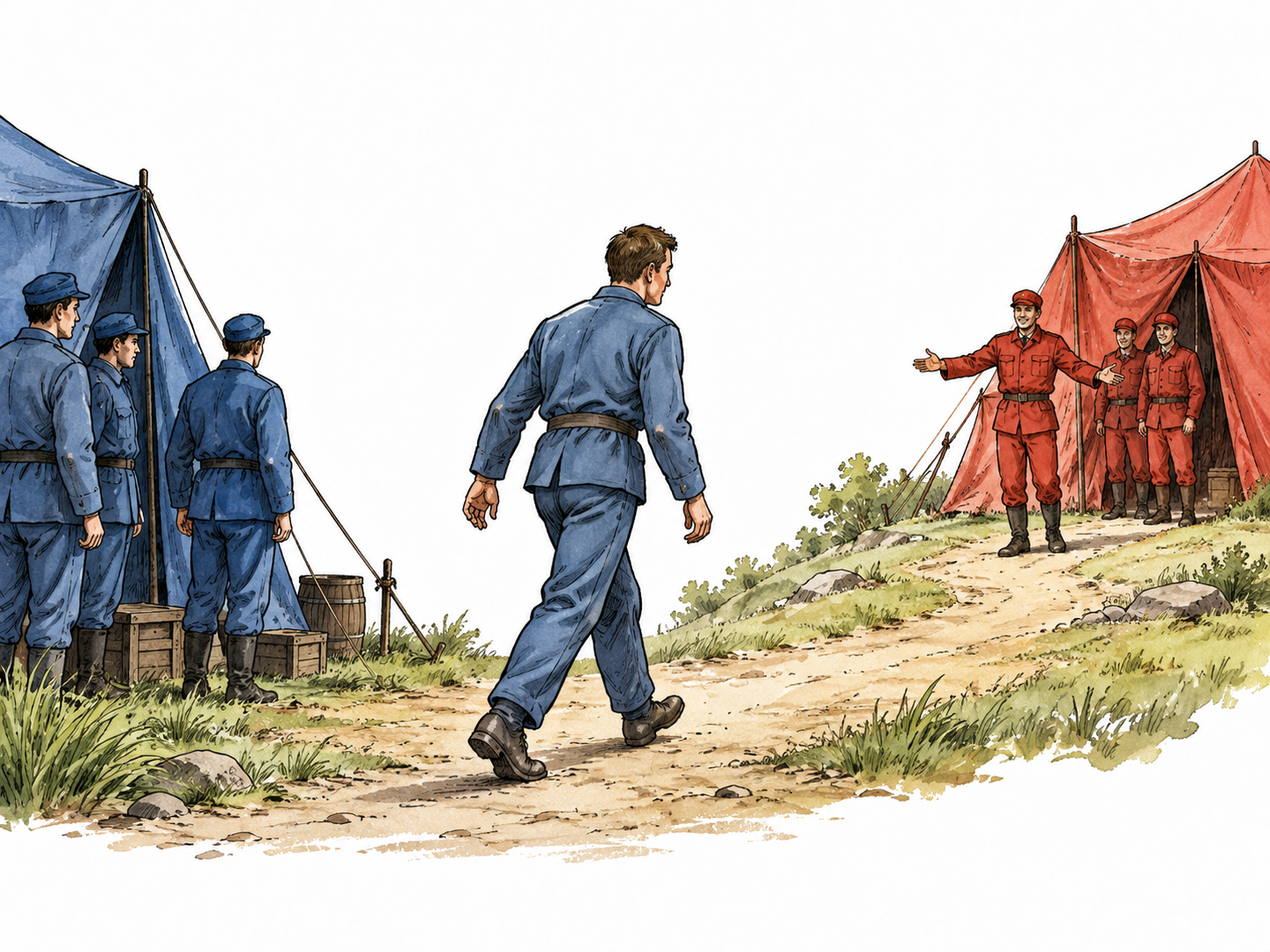
The act of abandoning allegiance to a country, group, or cause.
The soldier’s defection takes him from his old camp to the opposing side.
Etymology
“Do, make” combined with “away” underlies a Latin verb meaning “fail” or “desert.” The noun moved from failure in duty to abandoning allegiance to a party, leader, or cause.
In context
However, three years later, Churchill’s allegiances shifted to William of Orange, and his defection to William’s cause was one of the decisive factors in the success of the Glorious Revolution.
More examples
- Several defections weaken the ruling party.
- The report follows his defection to the opposing side.
- She explains the reasons for her defection from the movement.
Forms
defection · defections
defect verb — abandon one allegiance for another
Similar words
- desertion
- Desertion abandons a duty or position; defection especially involves abandoning allegiance to a group or cause.
- betrayal
- Betrayal violates trust; defection specifically abandons an allegiance.