noun
detriment
DET-rih-munt/ˈdetrɪmənt/
Harm or disadvantage caused to someone or something.
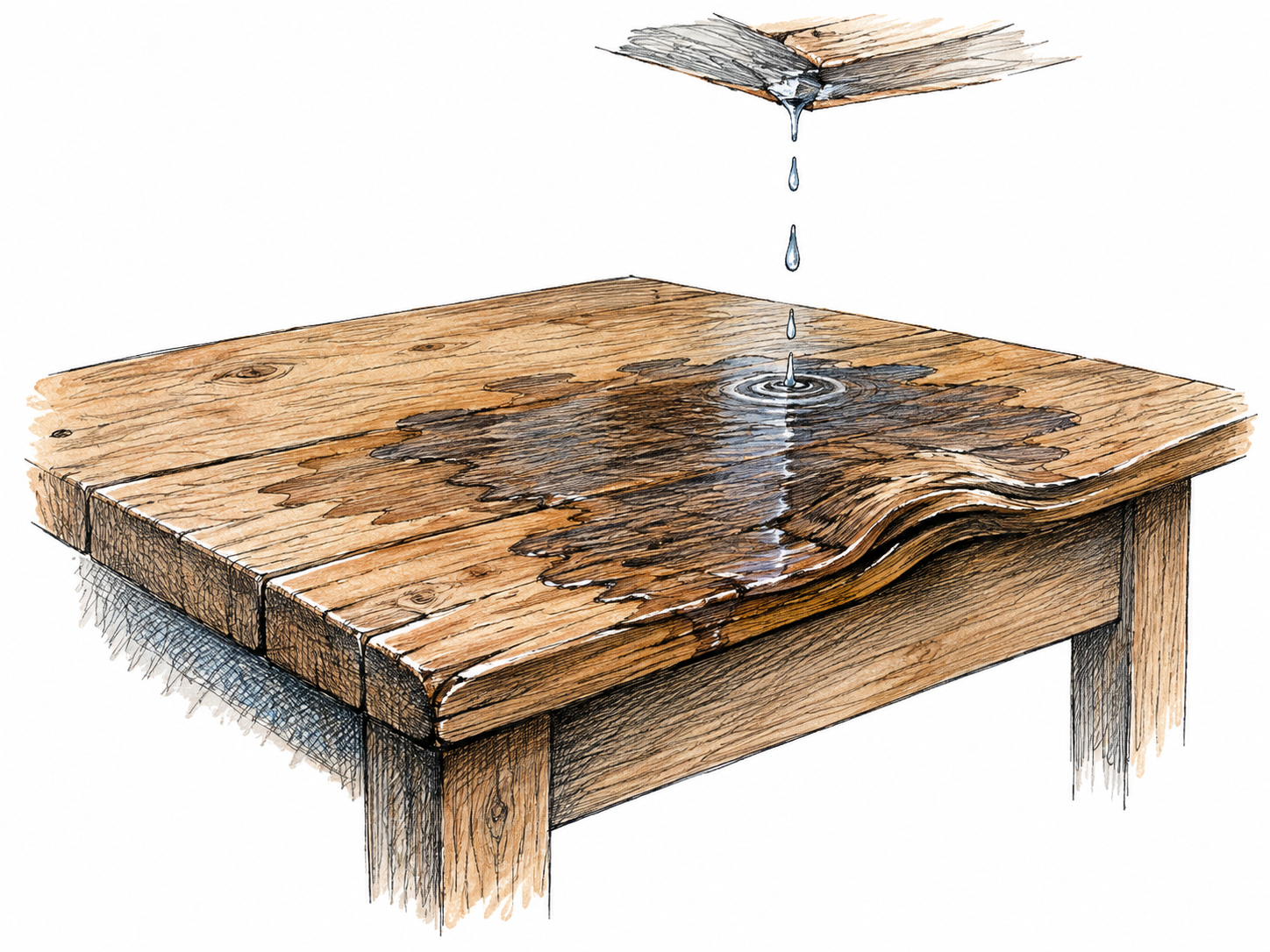
Water leaks onto the table to the detriment of its wooden surface.
Etymology
Rubbing away provides the original image: wear removes material and weakens what remains. The Latin noun already extended this physical loss to damage, the central idea in modern detriment.
In context
perhaps to the detriment of your marriage or your relationship you have to be sickly gifted perfect egomaniac completely obsessed
More examples
- The schedule can change without detriment to patient care.
- Constant interruptions are a detriment to learning.
- He ignores expert advice, often to his own detriment.
Forms
detriment · detriments
detrimental adjective — Causing harm or creating a disadvantage.
Similar words
- harm
- Emphasizes injury or damage rather than a comparative disadvantage.
- damage
- Usually suggests concrete impairment to condition, value, or usefulness.
- disadvantage
- Emphasizes an unfavorable position rather than actual harm suffered.