noun / verb
dishonor
dis-AH-ner/dɪsˈɑnər/
Loss of respect or the act of bringing it about.
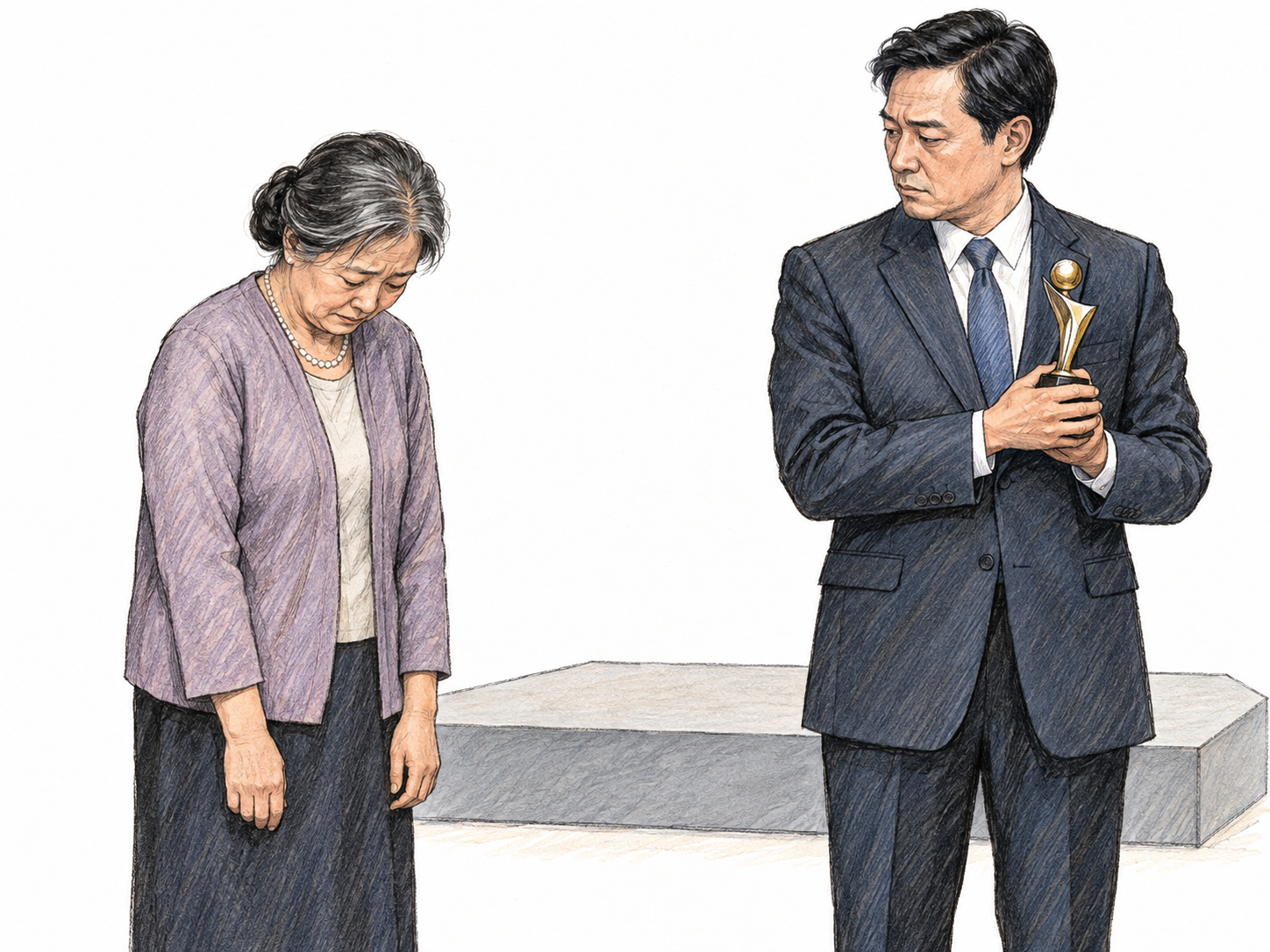
The scandal brings dishonor to everyone involved in it.
Etymology
The pieces express the reversal or deprivation of honor. The noun names the resulting state of disgrace: a loss of dignity or reputation in the eyes of others.
In context
there's a scornful dishonor first there's a mock coronation
More examples
- Cheating dishonors the effort of every honest player.
- He left office in dishonor after admitting to fraud.
- They dishonored her memory by spreading lies about her.
Forms
dishonor · dishonors · dishonored · dishonoring
dishonorable adjective — Worthy of shame or moral disapproval.