noun / verb
dissent
dih-SENT/dɪˈsent/
Disagreement with an accepted opinion, policy, or majority position.
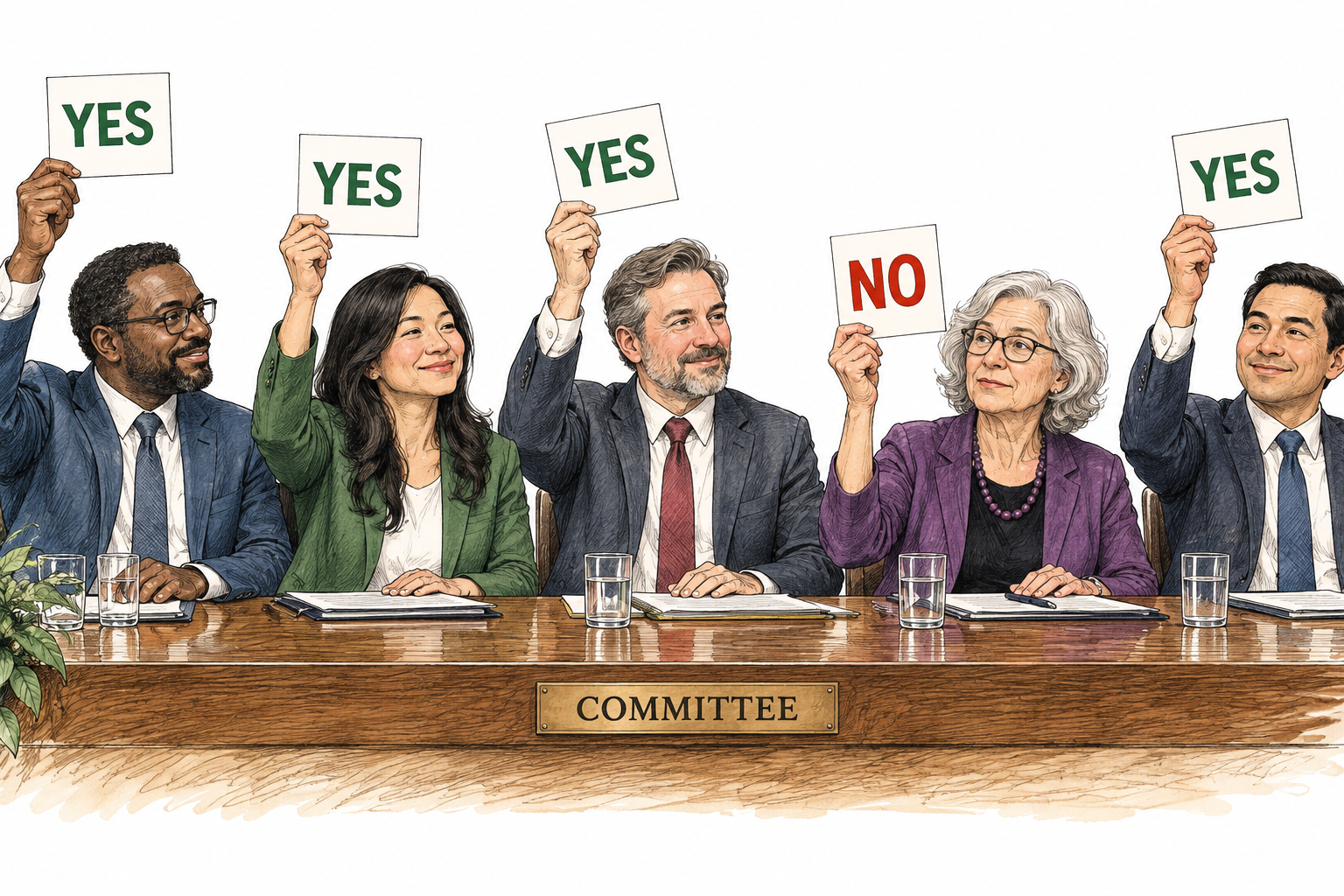
The new policy sparks dissent among several longtime board members.
Etymology
To 'feel or think differently' underlies dissent: a contrary judgment expressed as disagreement or withheld approval. The noun turns that difference of opinion into a named position or act of refusal.
In context
Modi's government unilaterally revoked cashmeres long-standing autonomy has cracked down on dissent jailed political leaders and instituted a communications blackout
More examples
- A good leader allows dissent without punishing anyone.
- Two committee members dissent from the majority's recommendation.
- The judge explains her dissent in a separate opinion.
Forms
dissent · dissents · dissented · dissenting
dissenter noun — Someone who disagrees with an accepted position.
Similar words
- disagreement
- Broader term for differing views, without implying a majority position.
- opposition
- Often suggests active resistance rather than simply holding different views.
- objection
- Usually identifies a specific concern or reason for disapproval.