verb
domesticate
duh-MES-tih-kayt/dəˈmestɪkeɪt/
To adapt something to human care or a local way of life.
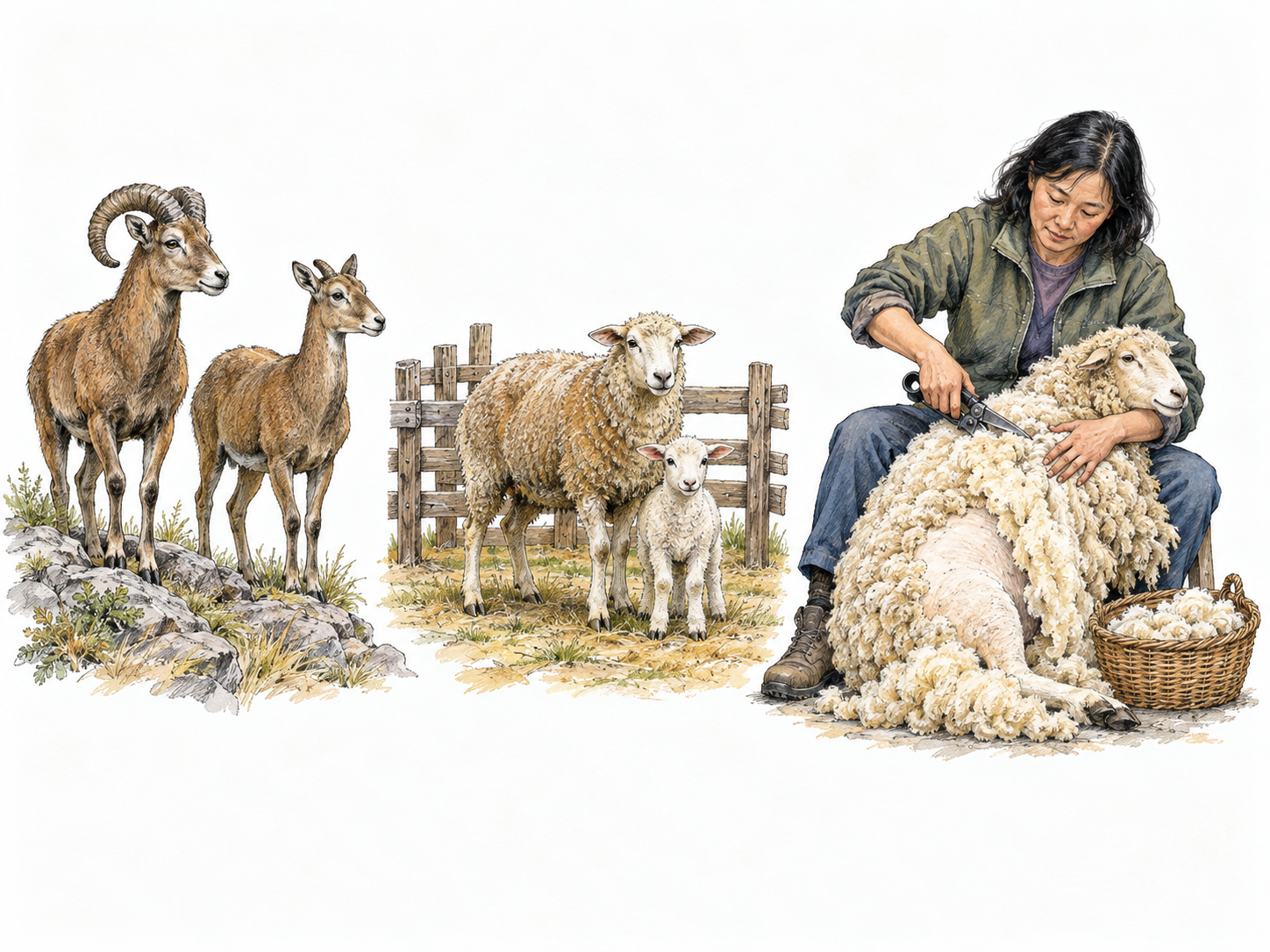
People domesticate sheep through managed breeding to produce useful wool.
Etymology
Literally dwelling in a house became taming or bringing under human care. The selected sense extends that household connection to adapting animals or plants for human use and cultivation.
In context
to domesticate a number of animal species to maintain them in dense herds and flocks and to live amid these in unnatural concentrations
More examples
- Humans domesticated dogs thousands of years ago.
- Domesticating wild plants can make them easier to grow and harvest.
- Communities domesticate foreign customs by adapting them to local traditions.
Forms
domesticate · domesticates · domesticated · domesticating
domestication noun — Adaptation to human care or local use.