adjective
drowsy
DROW-zee/ˈdraʊzi/
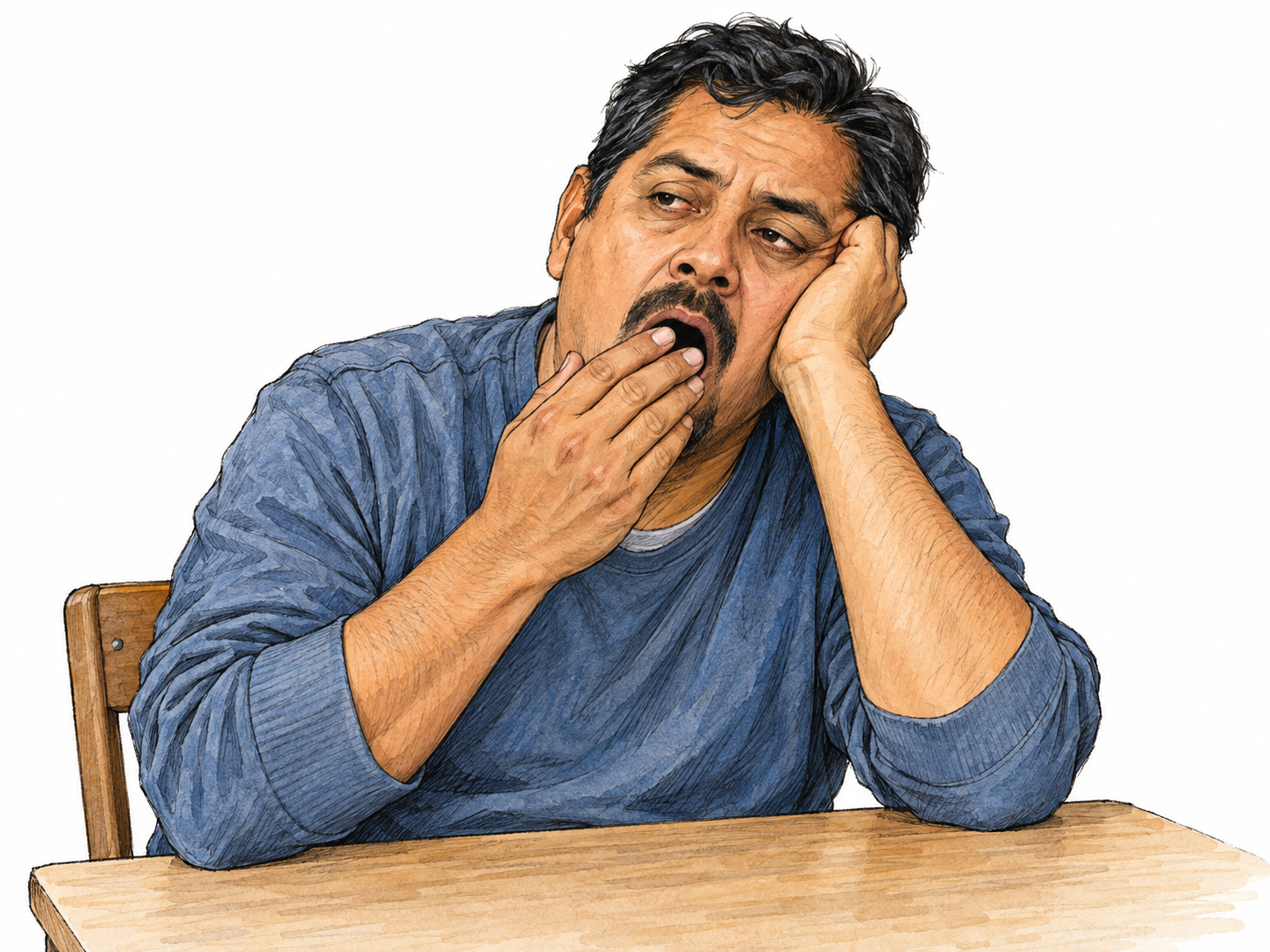
Sleepy and not fully alert.
I feel drowsy after lunch and struggle to stay focused.
Etymology
Drowsy probably ultimately comes from a verb meaning “sink” or “become languid or inactive.” That connection suggests sinking into a sluggish state, where sleepiness reduces alertness.
In context
you will be able to go to sleep sleep sometimes it is good to picture yourself becoming drowsy to induce sleep
More examples
- This allergy medicine can make you drowsy.
- The drowsy child can barely keep her eyes open.
- I grow drowsier as the bus ride continues.
Forms
drowsy · drowsier · drowsiest
drowsiness noun — The state of being sleepy and less alert.
drowsily adverb — In a sleepy, only partly alert manner.
Similar words
- sleepy
- Emphasizes readiness for sleep rather than reduced alertness.
- groggy
- Suggests dazed sluggishness, often after sleep, illness, or medication.