noun
enzyme
EN-zyme/ˈenzaɪm/
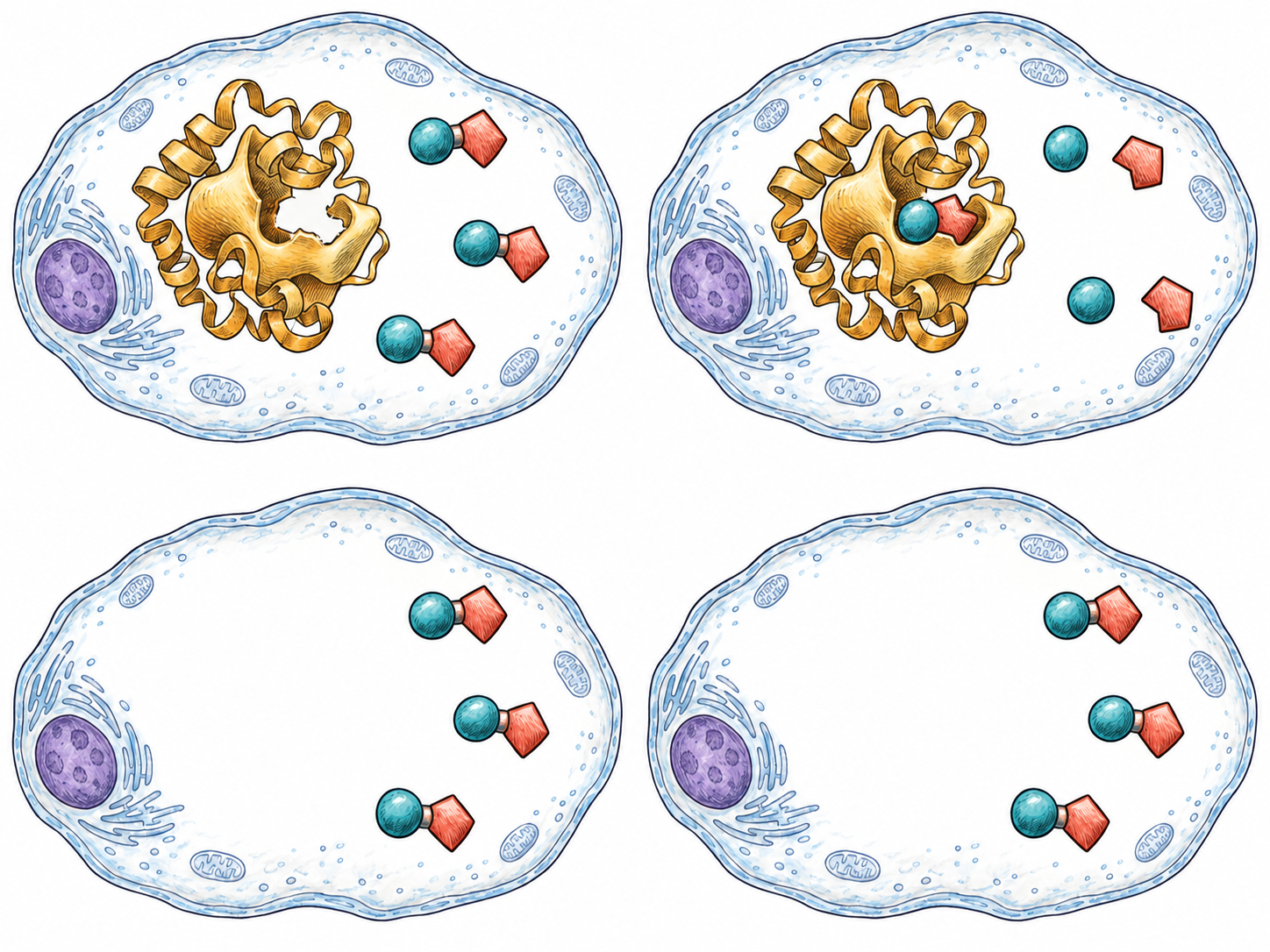
A biological molecule, usually a protein, that speeds up biochemical reactions.
An enzyme in saliva helps break down starch in food.
Etymology
The pieces mean 'in leaven,' reflected in the Greek adjective meaning 'leavened.' This leaven-based expression supplied the name for the biochemical substances that speed reactions in living things.
In context
the guide RNA. And as the DNA traverses the protein, it unwinds inside the enzyme to allow access to each strand
More examples
- Lactase is an enzyme that helps digest the sugar in milk.
- This detergent contains enzymes that help remove food stains.
- High heat can change an enzyme's shape and stop it from working.
Forms
enzyme · enzymes
enzymatic adjective — Relating to or caused by enzymes.
Similar words
- catalyst
- A broader term covering biological and nonbiological substances that accelerate reactions.
- biocatalyst
- Can include whole cells used to speed chemical reactions.