noun
epoch
EP-uhk/ˈepək/
A significant period in history or development.
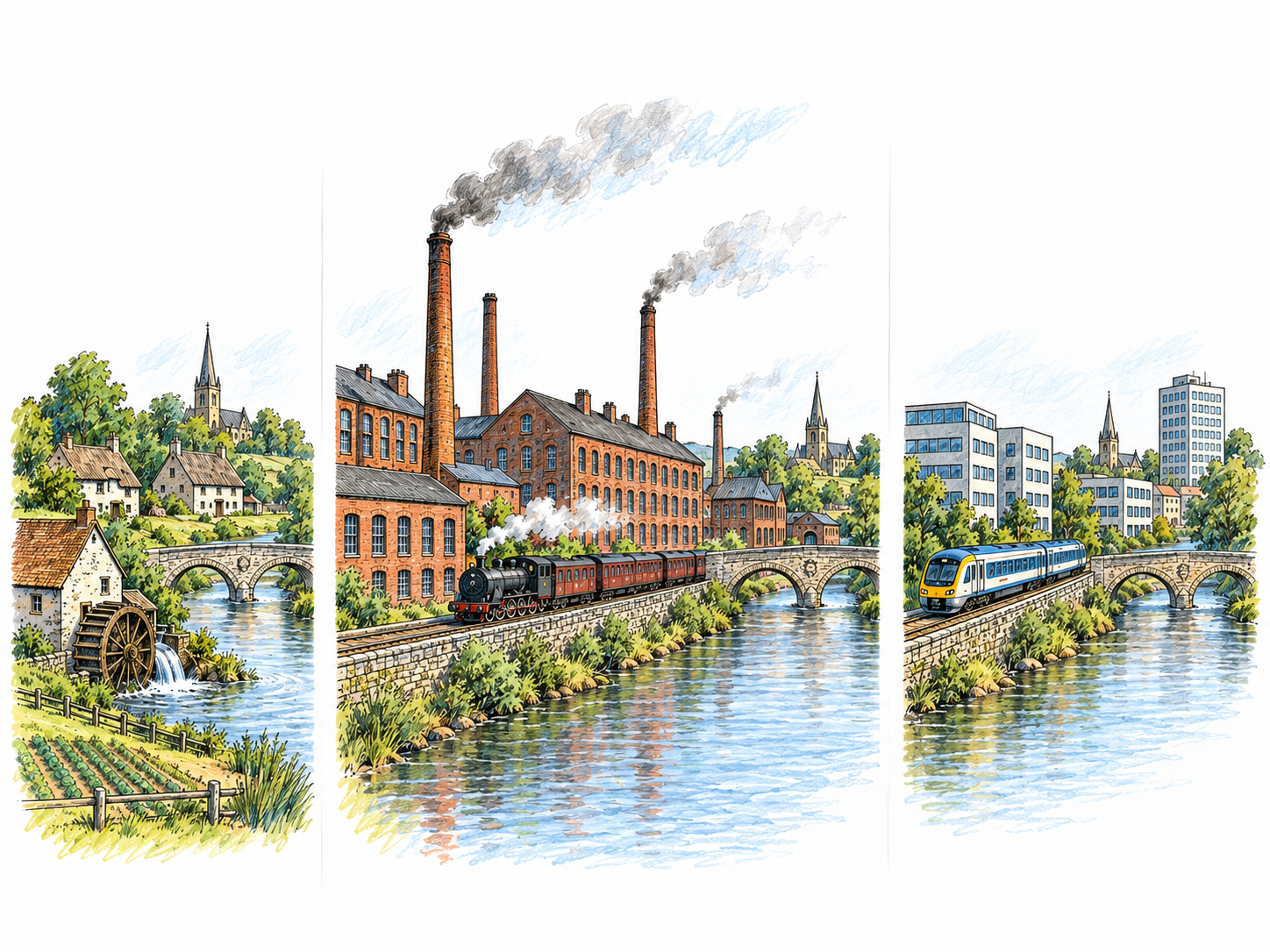
The Industrial Revolution marks a new epoch in manufacturing and trade.
Etymology
Holding a position supplied the idea of a pause or fixed point in time. The word then extended from a point marking a new beginning to the historical period itself.
In context
So this is now called the Carboniferous Period. See what they did there? Because Coal is made out of carbon, so they named the epoch of geological history over how face-meltingly intense and productive these forests were.
More examples
- The museum explores an epoch of rapid scientific discovery.
- Her paintings reflect the political tensions of that epoch.
- The course compares major epochs in the development of Western music.
Forms
epoch · epochs
epochal adjective — Marking a significant period or change.