verb
falter
FAWL-ter/ˈfɔːltər/
To become unsteady, hesitant, or less effective.
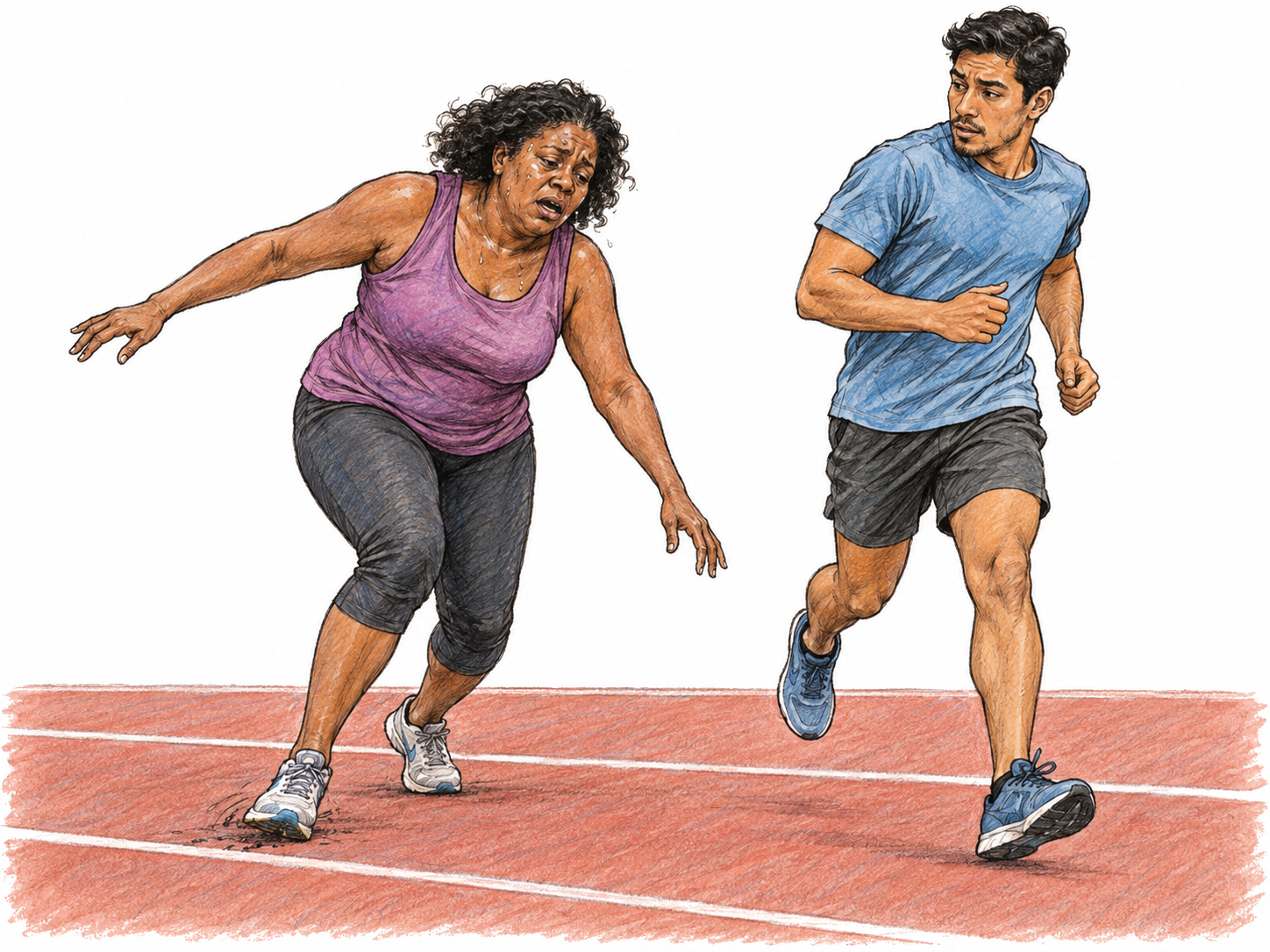
The runner falters as one knee begins to buckle.
Etymology
Its origin is unknown, but its earliest recorded meaning was “stagger, totter.” That physical unsteadiness offers a useful image for confidence, strength, or progress becoming less steady.
In context
the thoughts of the narcissists constantly wander or become obsessive and repetitive his speech May falter
More examples
- The engine began to falter on the steep hill.
- Her confidence faltered after the mistake.
- The runner faltered but did not stop.
Forms
falter · falters · faltered · faltering