verb
glean
GLEEN/ɡliːn/
To gather useful remnants left scattered after a harvest.
After the harvest, volunteers glean leftover vegetables from the fields.
Etymology
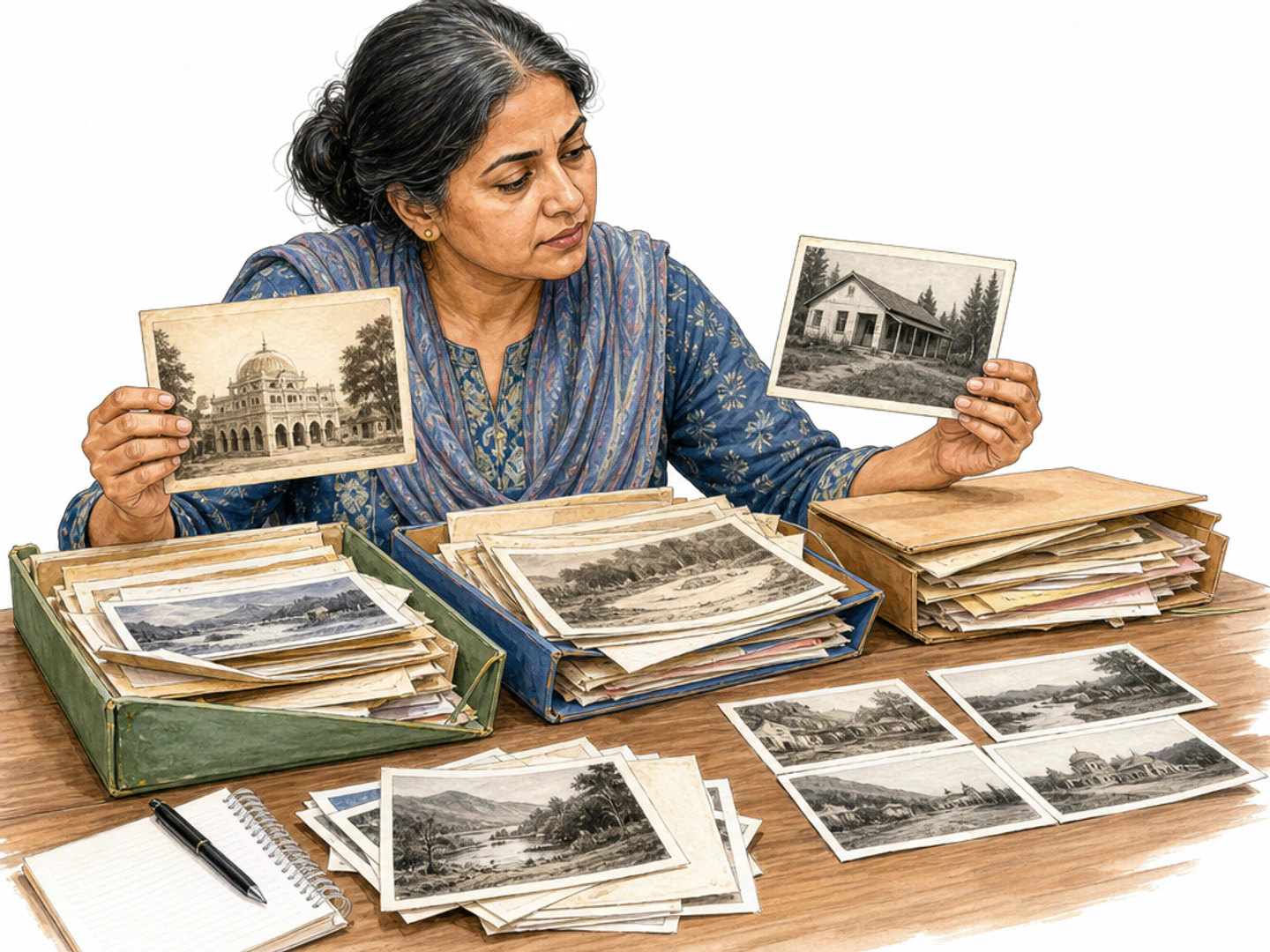
Glennare meant making a collection. Gathering information piece by piece parallels gathering grain left after harvest, although English used glean figuratively before its recorded literal harvesting sense.
In context
in an obituary? Gosh, if you really sit down and glean all of that information out of it depending on how robust it is you may end up with, you know, an entire family group.
More examples
- The farmer lets neighbors glean wheat left behind by the combine.
- We gleaned enough potatoes to fill two baskets.
- Gleaning the remaining corn keeps good food from going to waste.
Forms
glean · gleans · gleaned · gleaning
gleaner noun — A person who gathers crops left after harvest.