noun
homeostasis
hoh-mee-uh-STAY-sis/ˌhəʊmiəˈsteɪsɪs/
Maintenance of stable internal conditions through self-regulation.
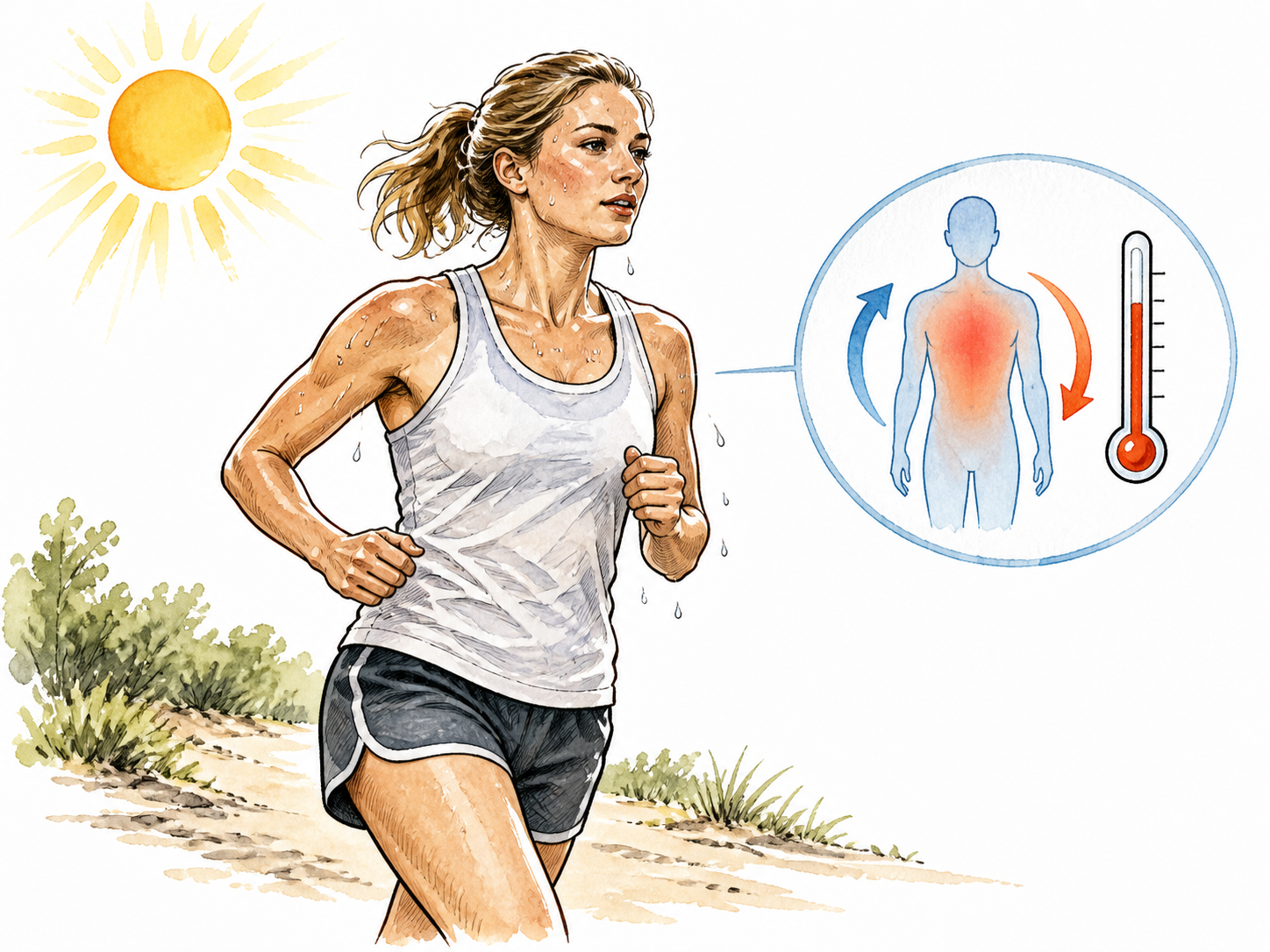
Your body maintains homeostasis by sweating when you get too warm.
Etymology
The pieces suggest a condition that stays similar or steady. In physiology, this names the self-regulation that maintains stable internal conditions, rather than a literal absence of activity.
In context
This ability of all living systems to maintain stable, internal conditions no matter what changes are occurring outside the body is called homeostasis
More examples
- Insulin helps maintain homeostasis by regulating blood sugar.
- Severe dehydration can disrupt homeostasis.
- The kidneys support homeostasis by adjusting how much water the body retains.
Forms
homeostasis
homeostatic adjective — Maintaining stable internal conditions through self-regulation.
Similar words
- equilibrium
- Emphasizes balanced forces or processes, not necessarily internal self-regulation.
- stability
- Describes resistance to change without specifying how it is maintained.