adjective
immemorial
im-uh-MOR-ee-ul/ˌɪməˈmɔːriəl/
Extending so far into the past that no one remembers its beginning.
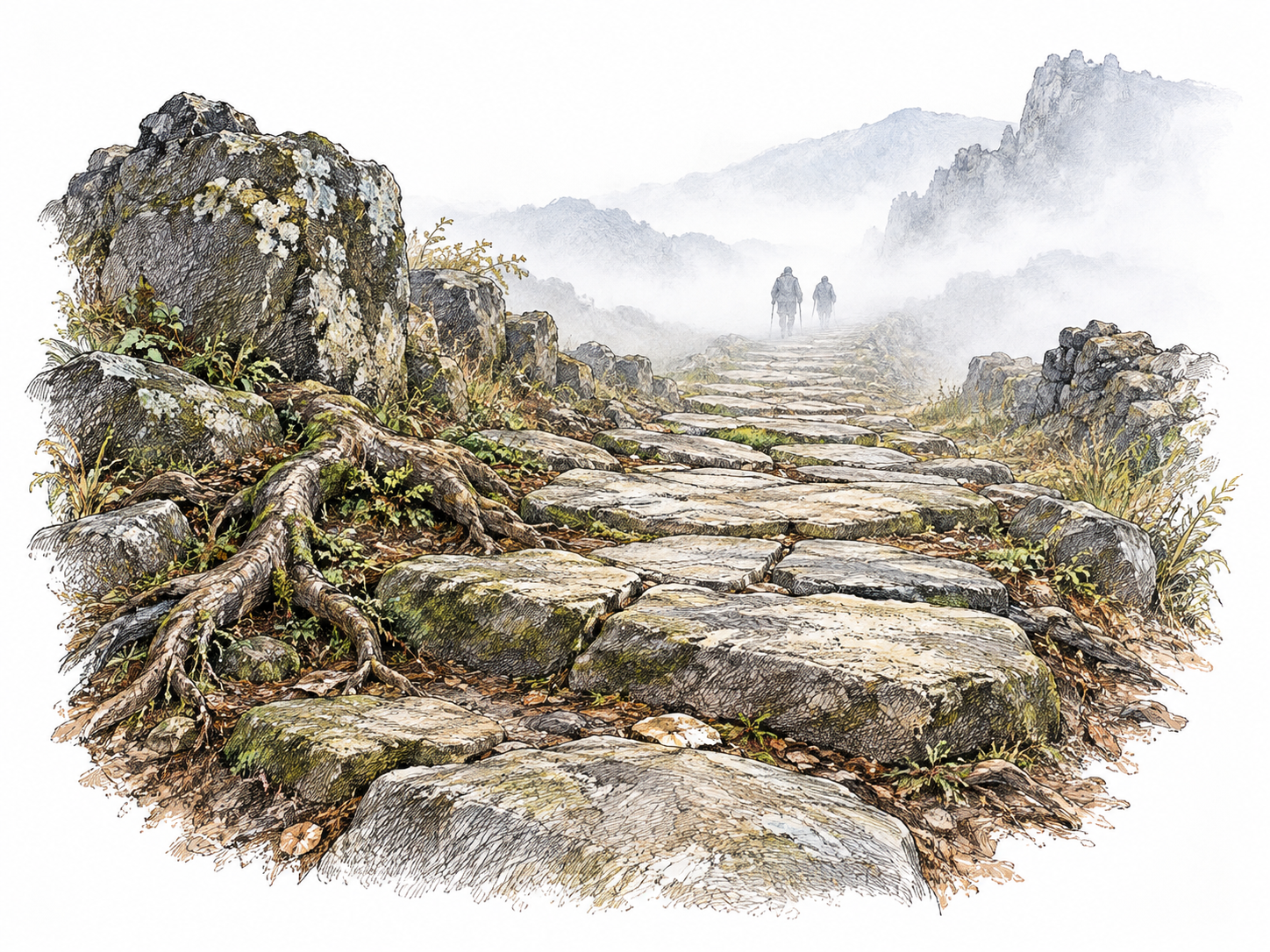
People follow this worn stone path as they have since time immemorial.
Etymology
The negative prefix places something outside the reach of memory. Here that means its beginnings are too ancient to be remembered, rather than that it is unworthy of remembrance.
In context
just a fair assumption say that if modern humans know that reproduction happens because we go through it and this has been the case for human beings back into time immemorial
More examples
- The river has shaped this valley since time immemorial.
- The ceremony honors the community's immemorial traditions.
- These stories have been passed down from time immemorial.
Forms
immemorial
Similar words
- ancient
- Describes great age without implying an origin beyond memory.
- age-old
- Describes long existence, but not necessarily a forgotten beginning.