adjective
inductive
in-DUK-tiv/ɪnˈdʌktɪv/
Drawing general conclusions from specific observations.
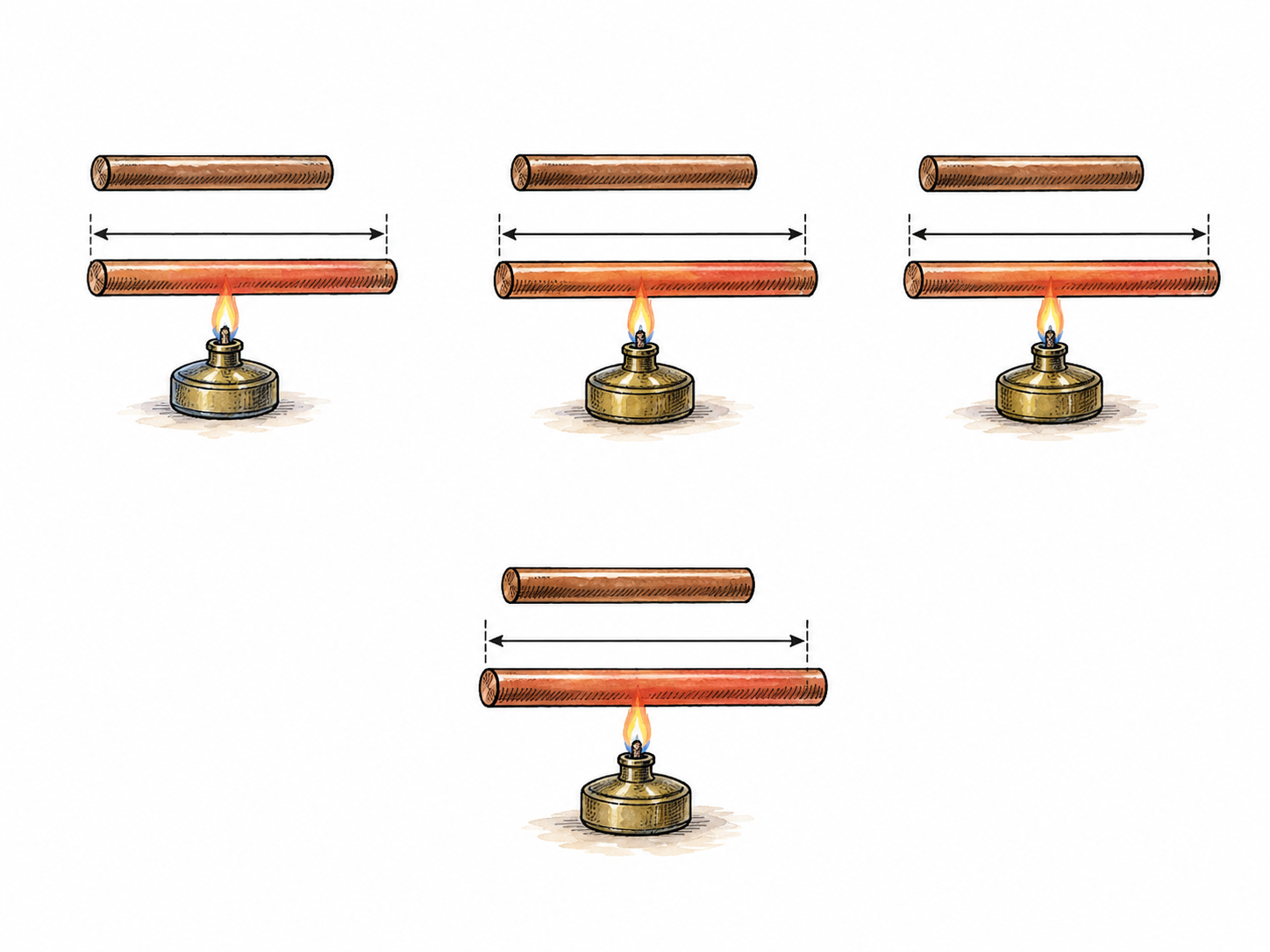
Inductive reasoning uses expanding copper rods to infer a general rule.
Etymology
The image of “leading in” became a term for inference: inductive reasoning moves from particular known instances toward a general conclusion.
In context
the ultimate ground remains inductive I.E derived from instances and not from a prior connection of universals
More examples
- Her inductive argument draws on patterns in hundreds of interviews.
- An inductive conclusion can be reasonable without being certain.
- The students use inductive reasoning to discover a grammar rule from examples.
Forms
inductive
induction noun — Reasoning from specific observations to general conclusions.
inductively adverb — By drawing general conclusions from specific observations.
Similar words
- inferential
- Draws conclusions from evidence, not necessarily from repeated observations.
- empirical
- Relies on observation or testing without necessarily drawing general conclusions.