noun
intransigence
in-TRAN-zih-juns/ɪnˈtrænzɪdʒəns/
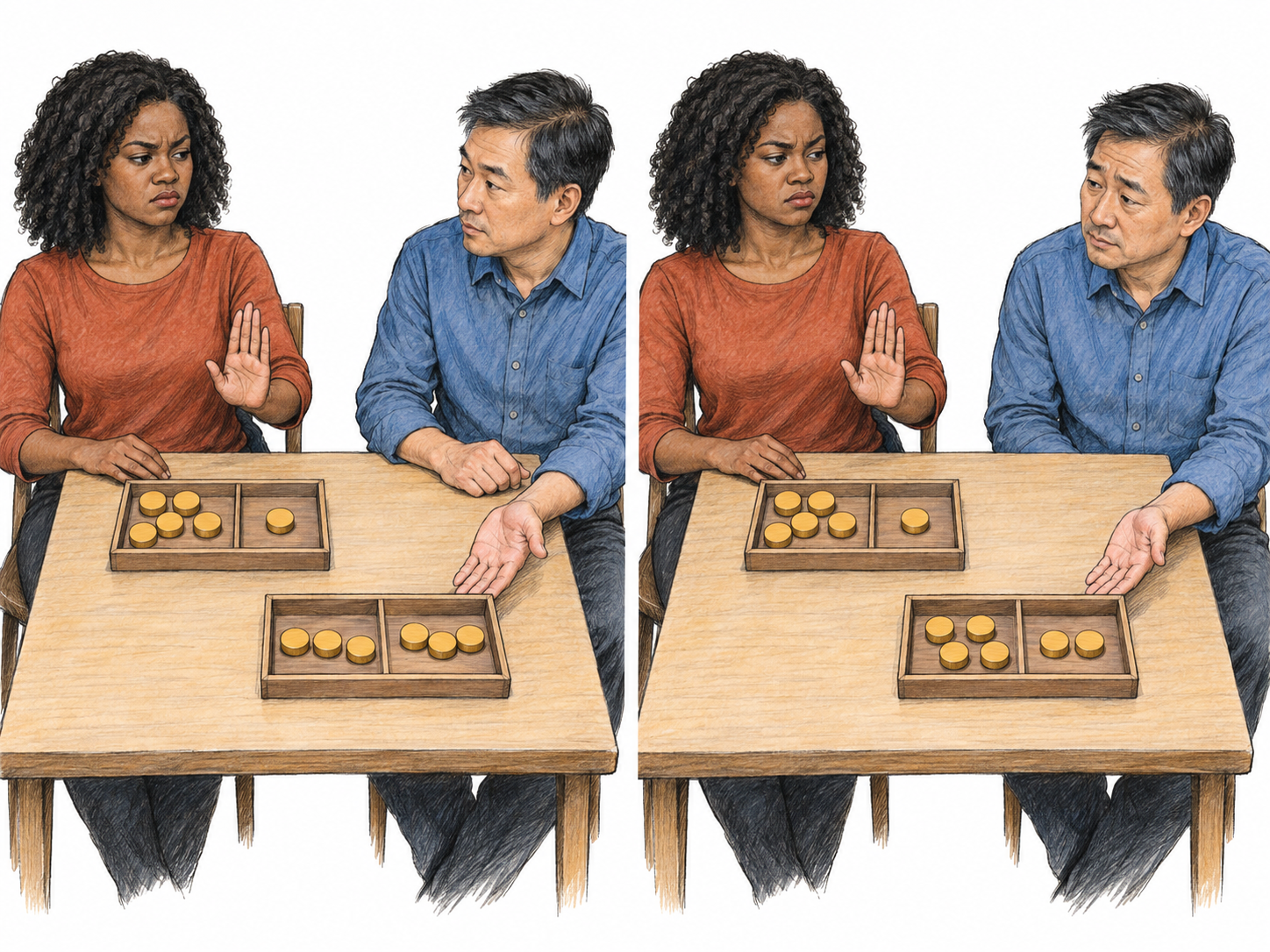
Stubborn refusal to compromise or change one's position.
Her intransigence stalls negotiations even after the other participant compromises.
Etymology
With “not” attached to a verb meaning “come to an agreement,” the pieces describe a refusal to settle differences. The noun makes that uncompromising stance a quality or state.
In context
personal dealings as I already emphasized in this regard Murray was and remain to the end a softy but in his speeches and in his writings this radicalization in increasing intransigence came in response to developments
More examples
- The union's intransigence leaves little room for a deal.
- The mayor's intransigence frustrates residents seeking changes to the plan.
- His intransigence over the vacation dates makes planning difficult.
Forms
intransigence
intransigent adjective — Unwilling to compromise or change position.
Similar words
- stubbornness
- Broader resistance to change, not necessarily involving negotiation or compromise.
- inflexibility
- Emphasizes difficulty adapting, rather than a deliberate refusal to compromise.