noun / adjective
judiciary
joo-DISH-ee-er-ee/dʒuˈdɪʃieri/
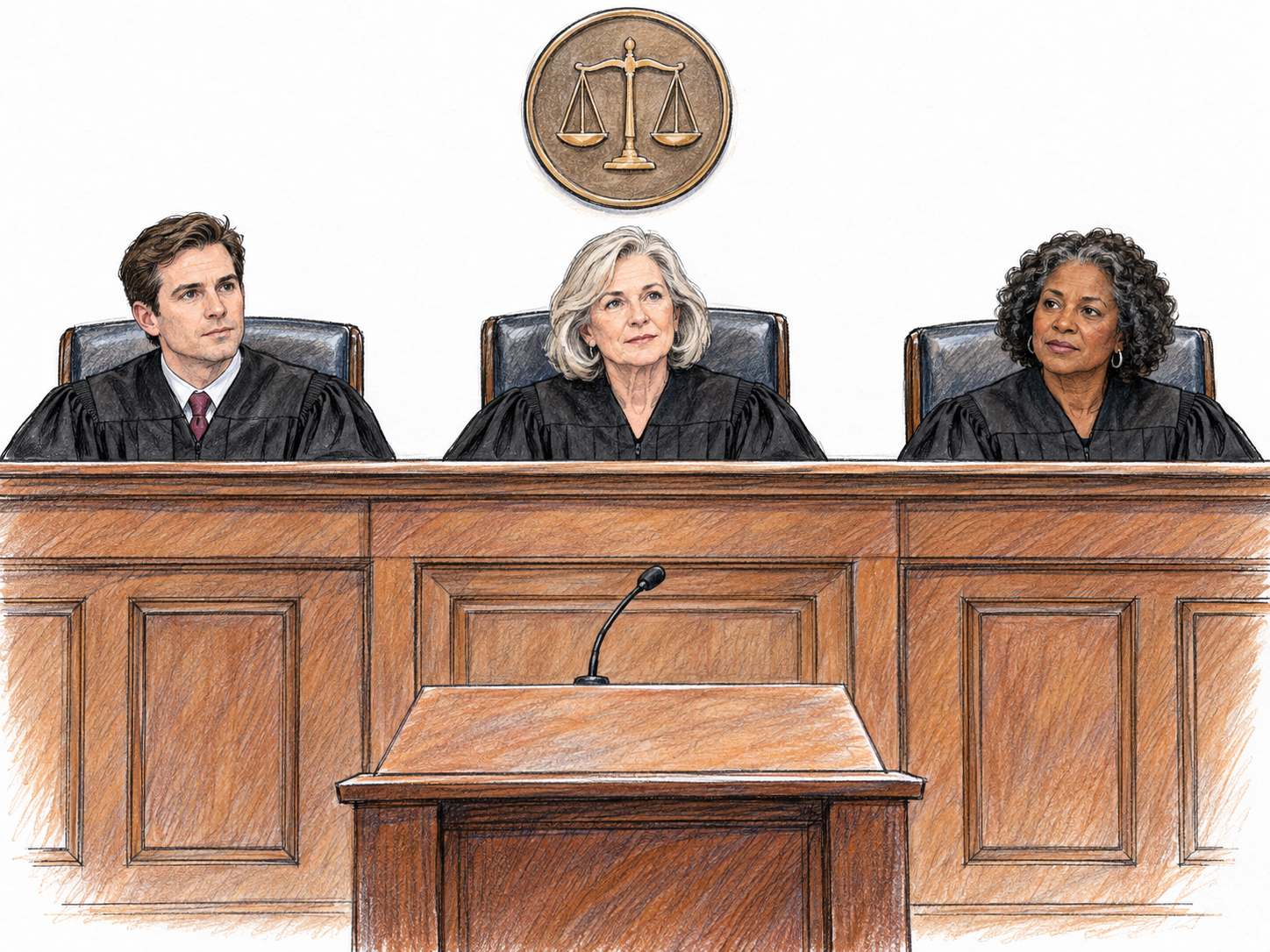
A government's system of courts and judges that administer justice.
An independent judiciary protects people's rights and applies the law fairly.
Etymology
The roots identify a judge as one who declares the law. Judiciary first described things relating to courts, then became a collective noun for judges—the body that administers a government's justice.
In context
The separation of powers between the judiciary and the executive is a key element of any modern democracy, one which ensures that the government of the day is still answerable to the law.
More examples
- The federal judiciary reviews challenges to the new law.
- Budget cuts leave the state's judiciary struggling to handle cases.
- The two countries organize their judiciaries differently.
Forms
judiciary · judiciaries
judicial adjective — Relating to courts, judges, or legal judgments.