noun / adjective
legacy
LEG-uh-see/ˈleɡəsi/
Something passed on from an earlier owner or period.
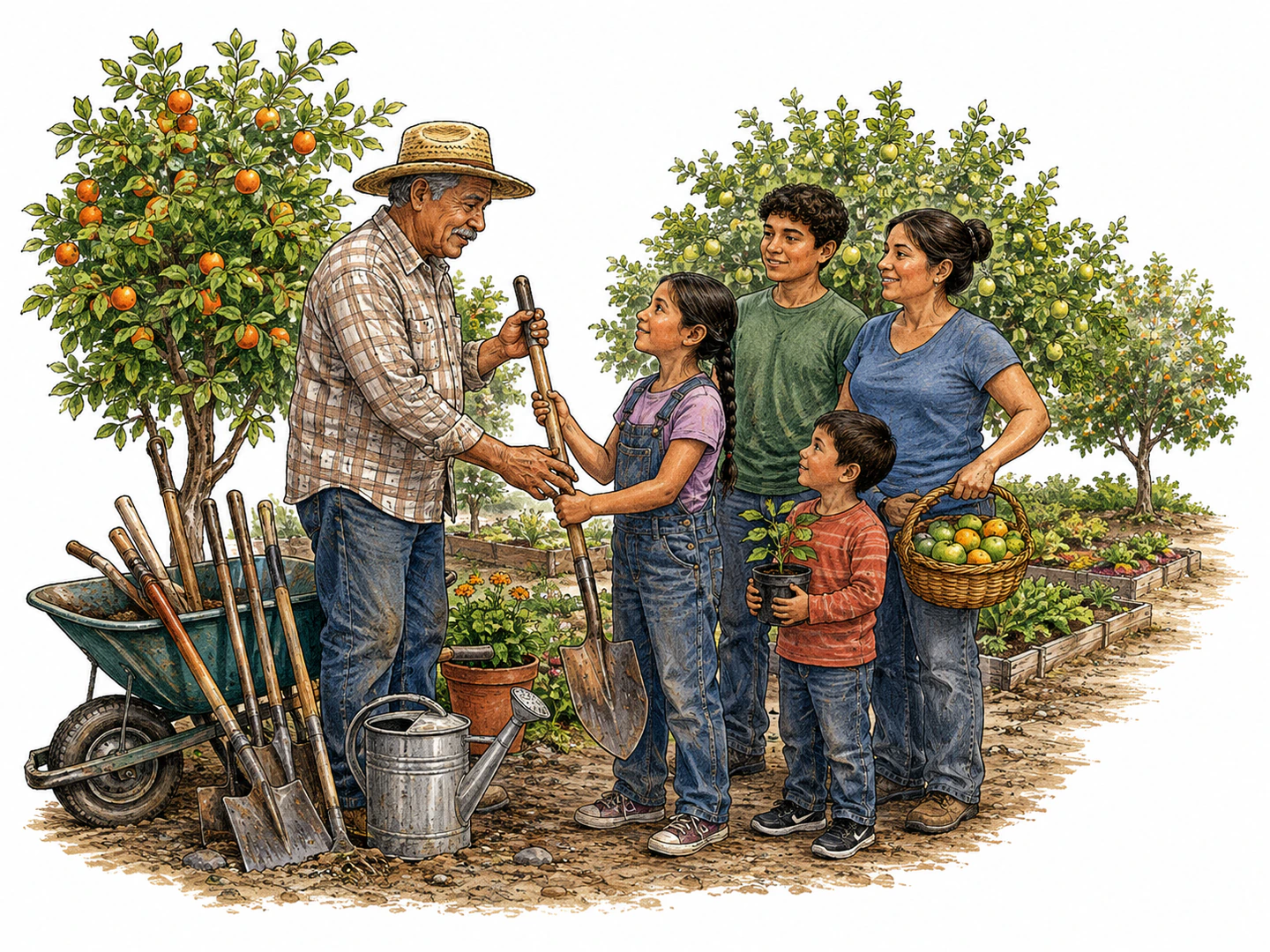
The orchard and tools form the gardener's legacy to the younger family members.
Etymology
Legatia concerned a body of envoys, but its underlying verb also meant “appoint by a last will.” That testamentary meaning connects legacy with property left after death and, more broadly, things handed down.
In context
and I think we have an obligation to pay that forward and leave an even bigger legacy for our descendants.
This project extends Koyama's legacy far beyond her own lifetime,
More examples
- The town's public gardens are a legacy of her generosity.
- The factory leaves a legacy of polluted soil.
- The bank still relies on legacy software to process payments.
Forms
legacy · legacies
Similar words
- inheritance
- Usually emphasizes property received after someone's death rather than lasting influence.
- bequest
- Specifically identifies money or property given through a will.
- heritage
- Emphasizes shared traditions and history passed down through generations.