noun
masque
MASK/mæsk/
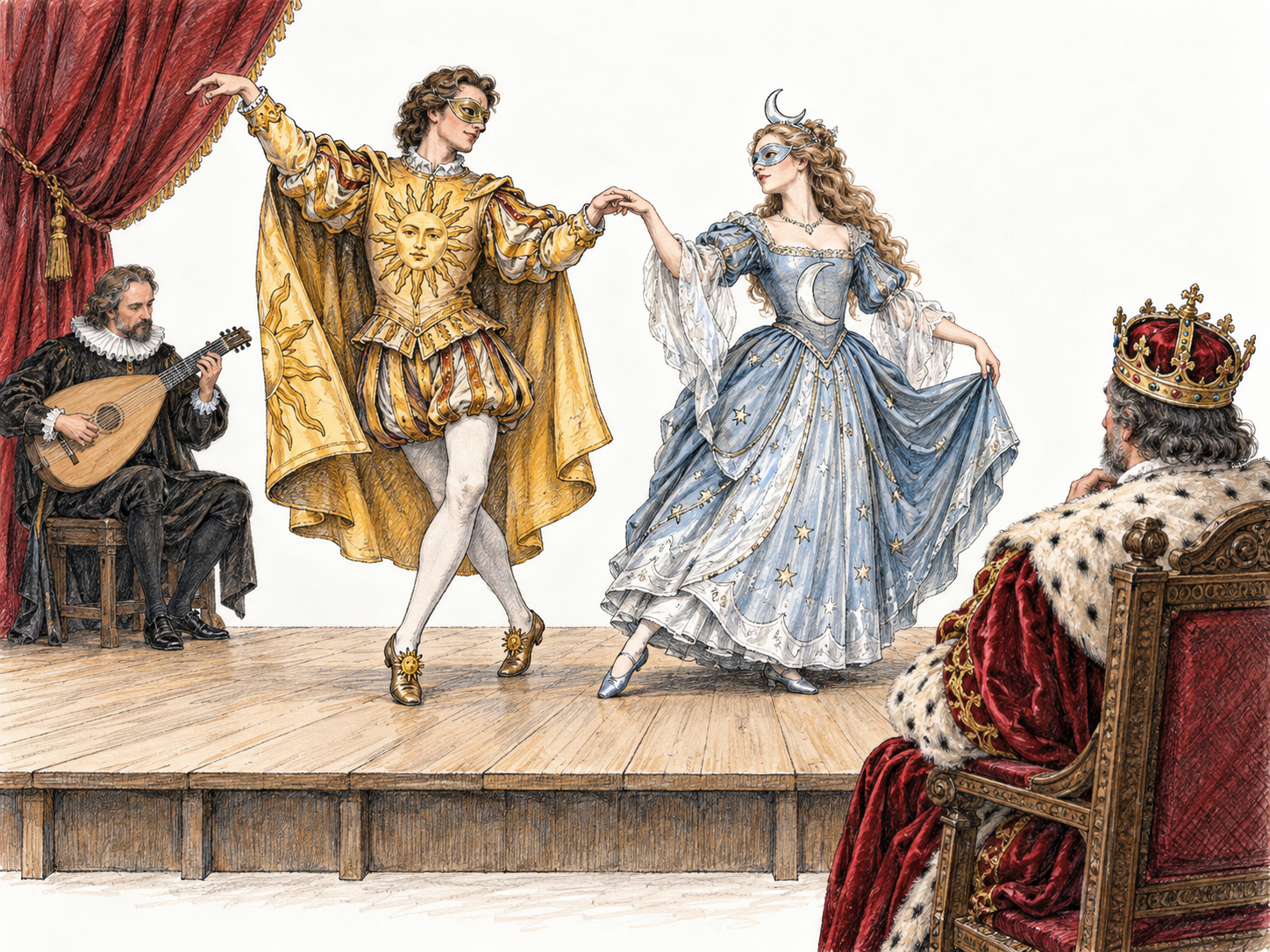
A face covering used in disguised performance.
The actor wears a painted masque to conceal his identity.
Etymology
French masque means “mask”: the entertainment took its name from participants’ disguises. A masked festivity developed into a theatrical performance popular among the nobility.
In context
the masque. Now imagine entering a royal palace and seeing magnificent costumes, elaborate scenery, music, singing, dancing, poetry, acting, mythological characters and even members of the royal court who are participating in the performance.
More examples
- She removes her masque when the final scene ends.
- Matching masques keep the dancers' faces hidden throughout the performance.
- A ribbon holds the masque in place as he bows.
Forms
masque · masques
Similar words
- mask
- The usual modern term, also used for protective face coverings.