noun
militarism
MIL-ih-tuh-riz-um/ˈmɪlɪtərɪzəm/
Belief in maintaining strong military power and influence.
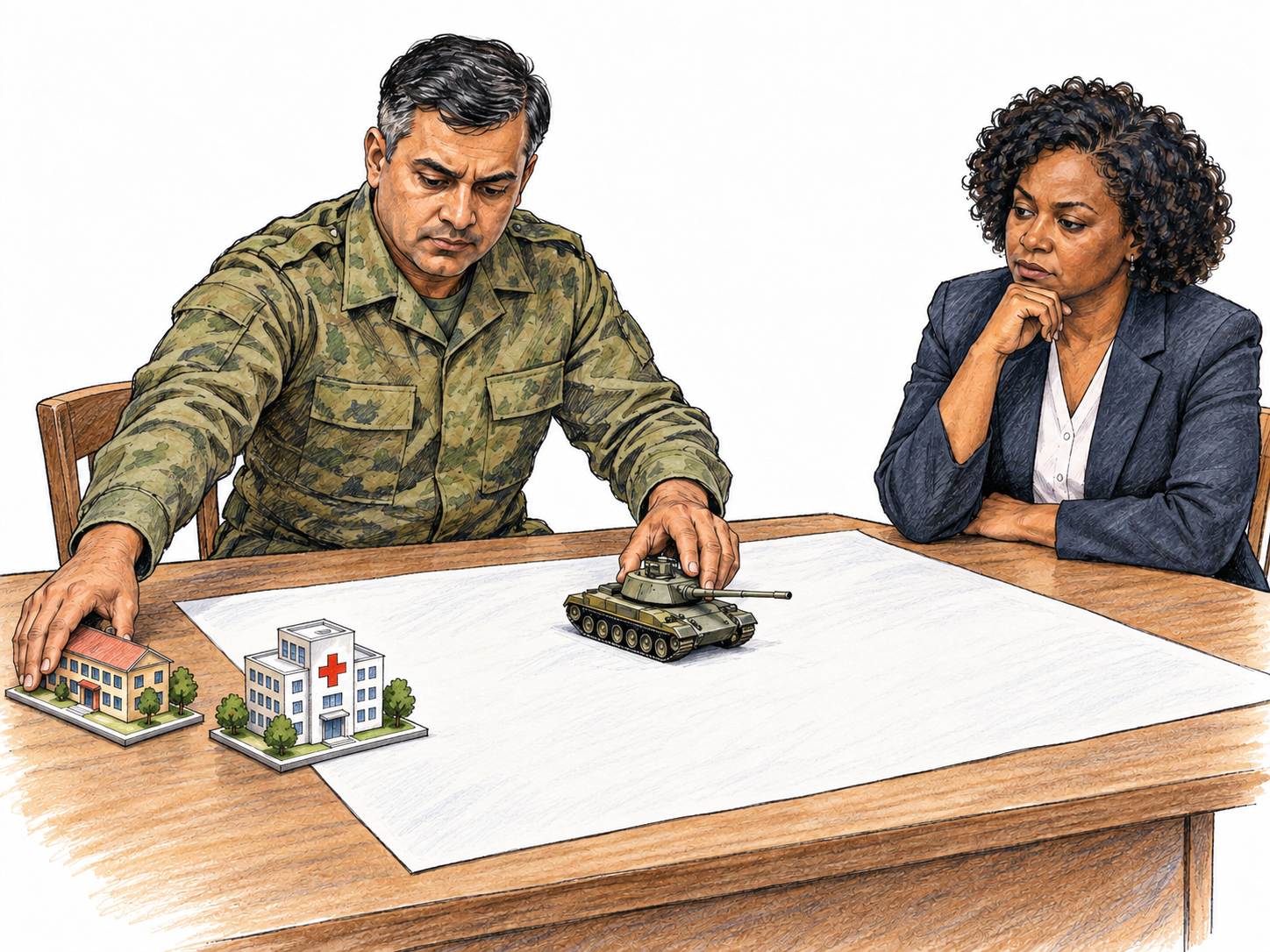
The advocate's militarism places military power ahead of schools and hospitals.
Etymology
The military adjective plus a practice-or-doctrine ending first named a military spirit or devotion to war. Applied to nations, it came to mean military predominance and reliance on armies for national power.
In context
This arrangement made perfect sense to the Romans, for whom militarism was a way of life. They made no real distinction between political ability and military skill.
More examples
- Her essay explores the link between nationalism and militarism.
- Militarism shapes the party's calls for a larger army.
- The peace movement challenges militarism in schools and public life.
Forms
militarism
militarist noun — A person who advocates strong military power.
militaristic adjective — Favoring strong military power and influence.
Similar words
- jingoism
- Aggressive nationalism favoring threats or war against other countries.
- bellicosity
- An eagerness to fight, rather than support for military strength.