noun
motility
moh-TIL-uh-tee/moʊtˈɪlɪti/
The ability of a cell, organism, or organ to move spontaneously.
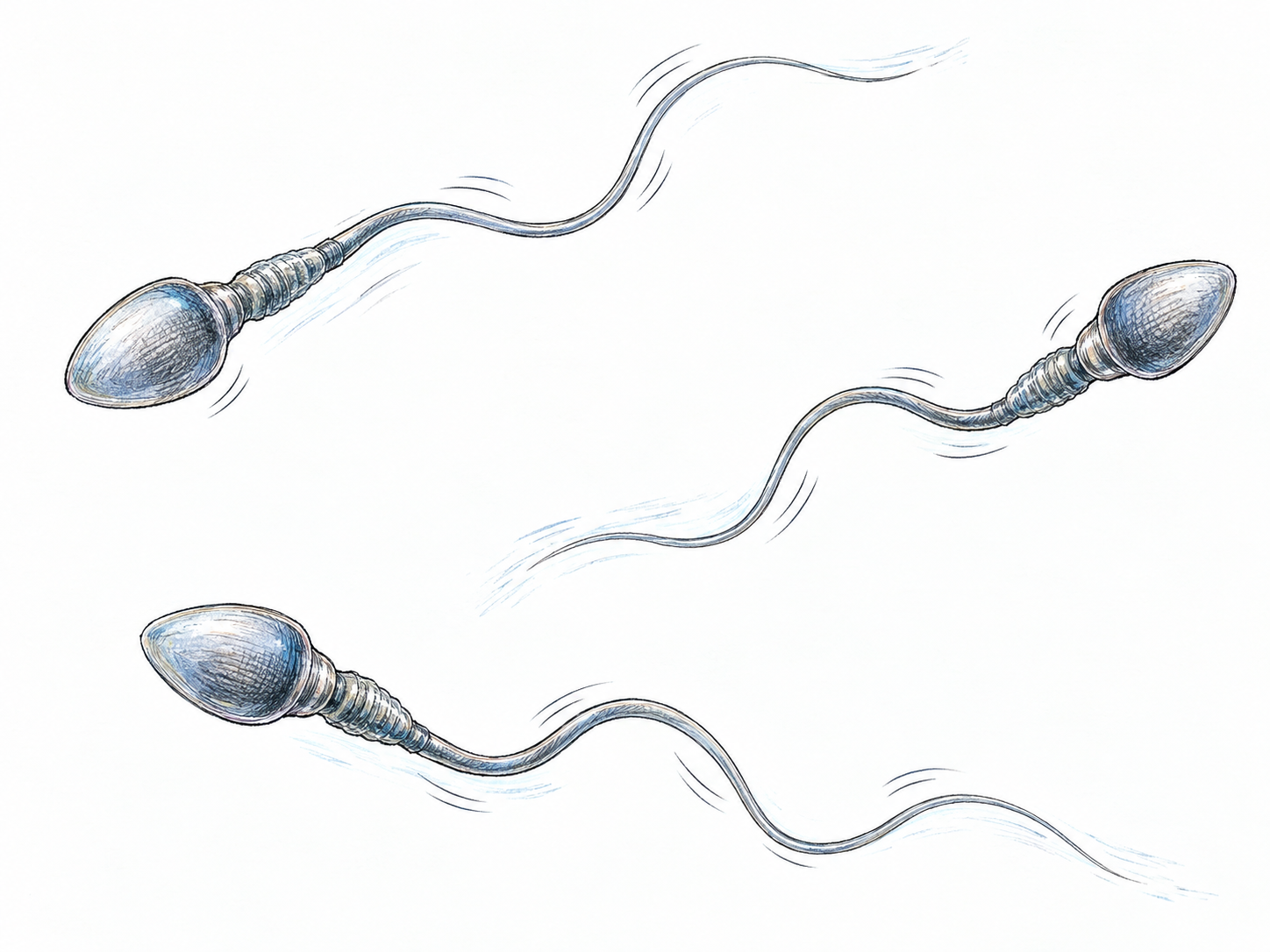
The lab tests sperm motility to assess how well they swim.
Etymology
Motilité names a capacity rather than an instance of movement. The selected sense concerns the ability to move automatically or spontaneously, not simply a change of position.
In context
what they might be doing that's slowing things down the gut motility so what you're putting in you want to make sure you're putting in enough fiber you want to make sure you're putting enough water liquid it's Plumbing
More examples
- Certain drugs reduce intestinal motility and slow the passage of food.
- These bacteria rely on flagella for motility.
- Researchers measure cell motility by tracking cells under a microscope.
Forms
motility
motile adjective — Able to move on its own.
Similar words
- mobility
- Describes ability to move, not necessarily spontaneous biological movement.