noun / adjective
patrician
puh-TRISH-un/pʌtrˈɪʃʌn/
Belonging to or resembling the aristocracy.
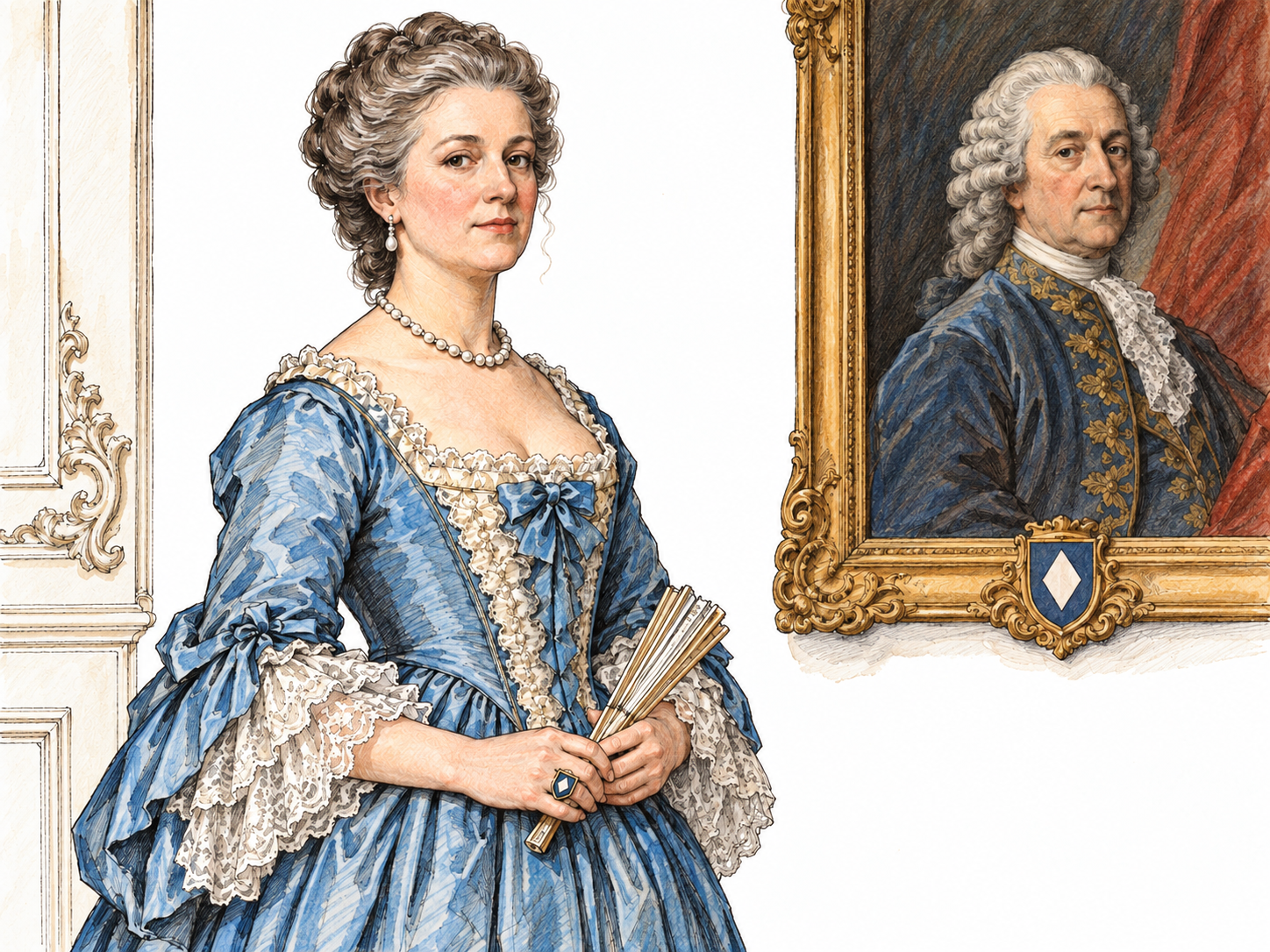
The woman's patrician bearing suits the ancestral portrait and heraldic shield beside her.
Etymology
Latin patricius designated noble or senatorial rank, connecting aristocratic status with senators called 'fathers.' The word broadened beyond Rome to describe aristocrats generally, including their characteristic manners.
In context
Their powers, especially the veto and sacro sanctity, made them a key check on patrician authority. They helped balance the system and made sure the interests of the common people were heard and protected within the Roman Republic.
More examples
- The club once admitted only patricians from the city's oldest families.
- In ancient Rome, a patrician belonged to the hereditary nobility.
- She comes from a patrician family with a long political history.
Forms
patrician · patricians
Similar words
- aristocratic
- More directly emphasizes noble birth or upper-class social standing.
- noble
- Can indicate inherited rank, but also moral excellence.