verb
placate
PLAY-kayt/ˈpleɪkeɪt/
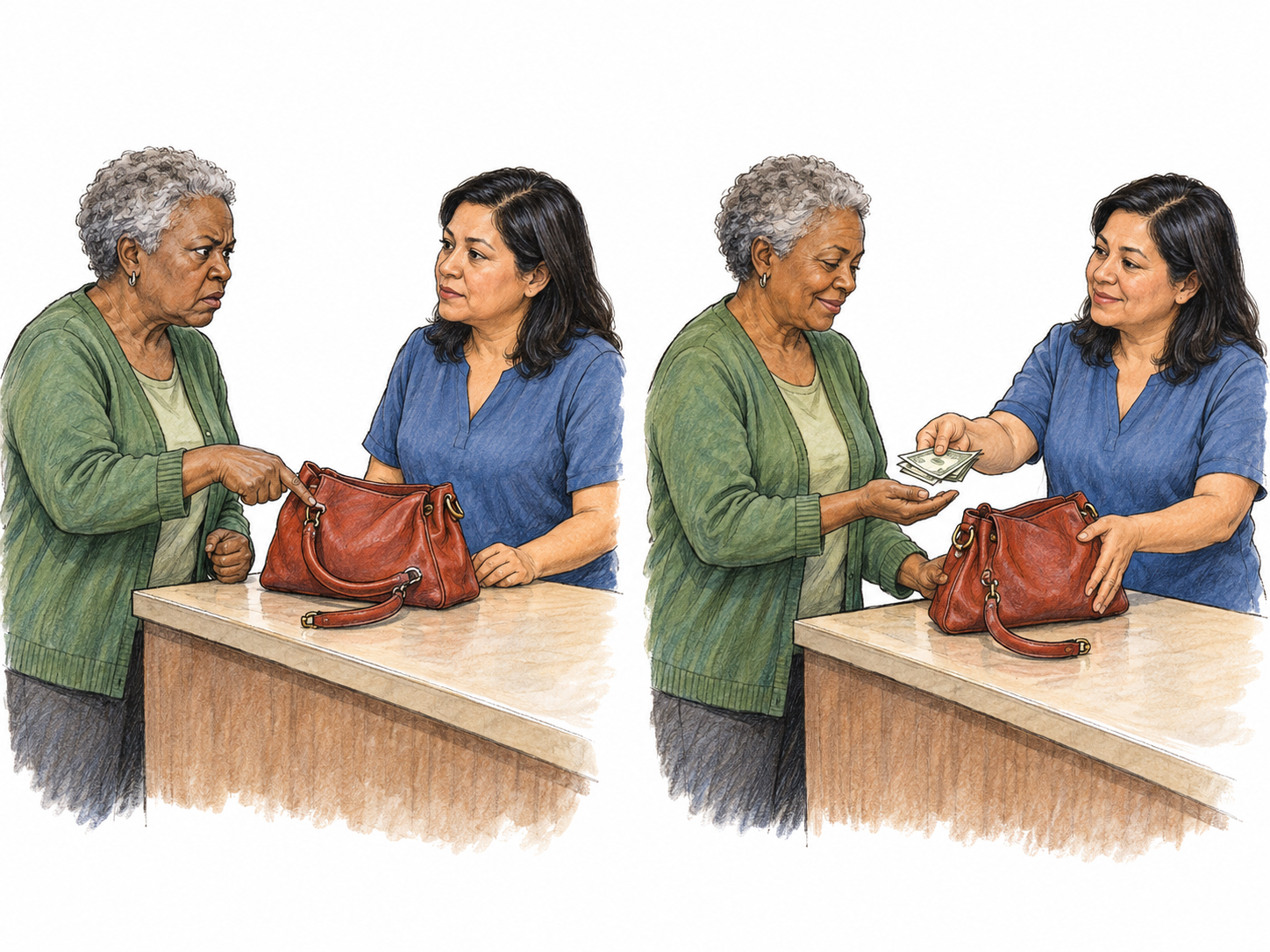
Make someone less angry or hostile.
The shopkeeper placates the customer with a refund, letting her keep the handbag.
Etymology
Latin placare meant to soothe or appease and was formed from a verb meaning “to please.” Placating people thus connects calming their anger with doing something that satisfies them.
In context
and that, to placate him, all private feuds must be ignored.
More examples
- She tries to placate her angry neighbor with an apology.
- The revised plan placated residents who opposed the construction.
- Vague promises do little to placate the frustrated workers.
Forms
placate · placates · placated · placating