adjective
polymorphous
pah-lee-MOR-fuhs/ˌpɑːliˈmɔːrfəs/
Having or taking many forms.
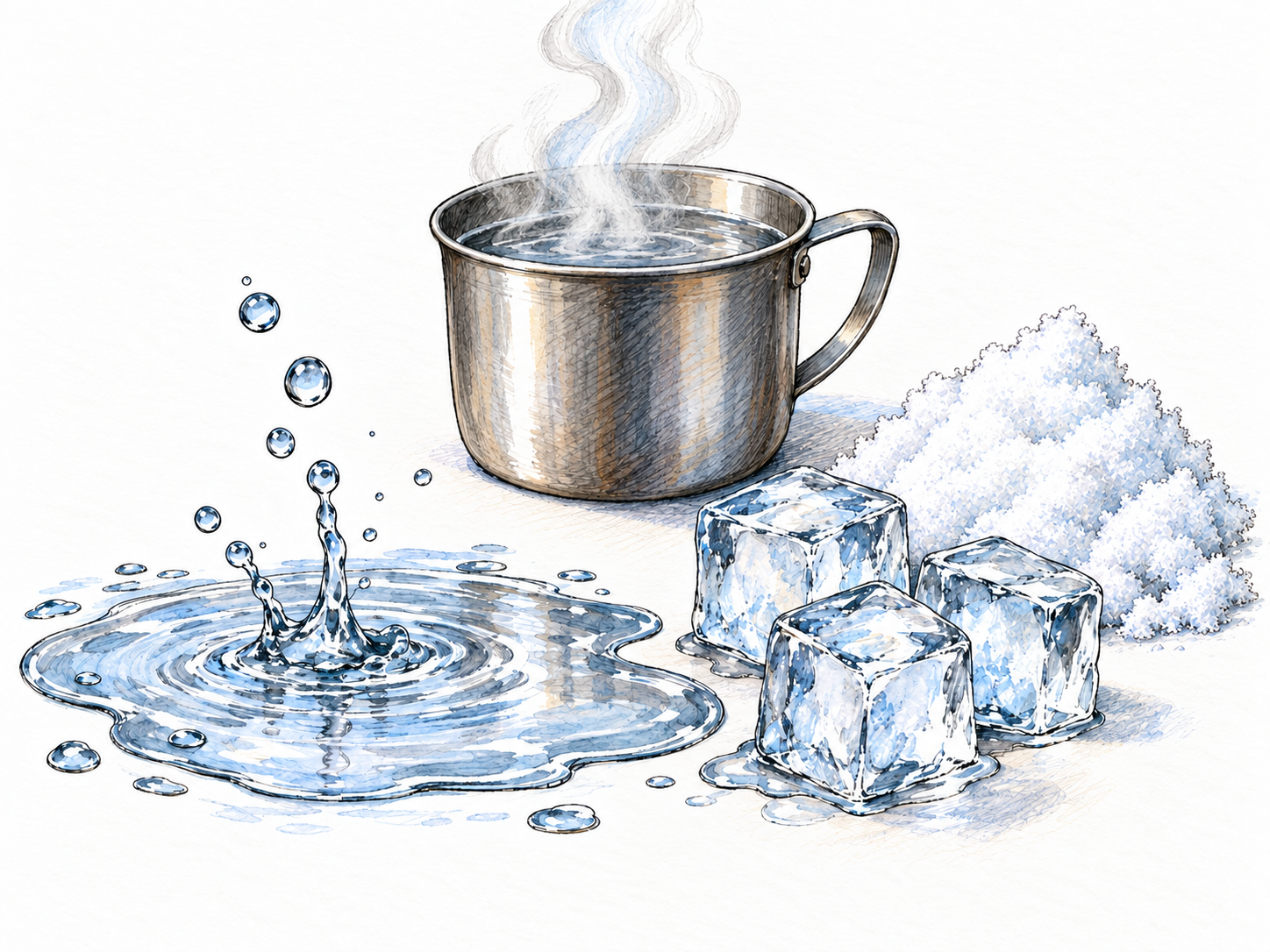
The display presents water as polymorphous, appearing as liquid, ice, snow, and vapor.
Etymology
“Having many forms” can describe successive forms as well as different forms occurring together. The word has been used especially of insects undergoing marked changes during development.
In context
it was freud who first told us that we are polymorphous perverse
More examples
- Folklore is polymorphous, with the same story appearing in countless versions.
- The polymorphous material can form several different crystal structures.
- The disease is polymorphous, producing several distinct types of skin lesions.
Forms
polymorphous
polymorphism noun — The occurrence of several distinct forms.
Similar words
- multiform
- Means having many forms, without necessarily changing between them.
- polymorphic
- Often describes distinct biological forms or different crystal structures.