adjective
punitive
PYOO-nuh-tiv/ˈpjuːnətɪv/
Intended to punish or harsh enough to act as punishment.
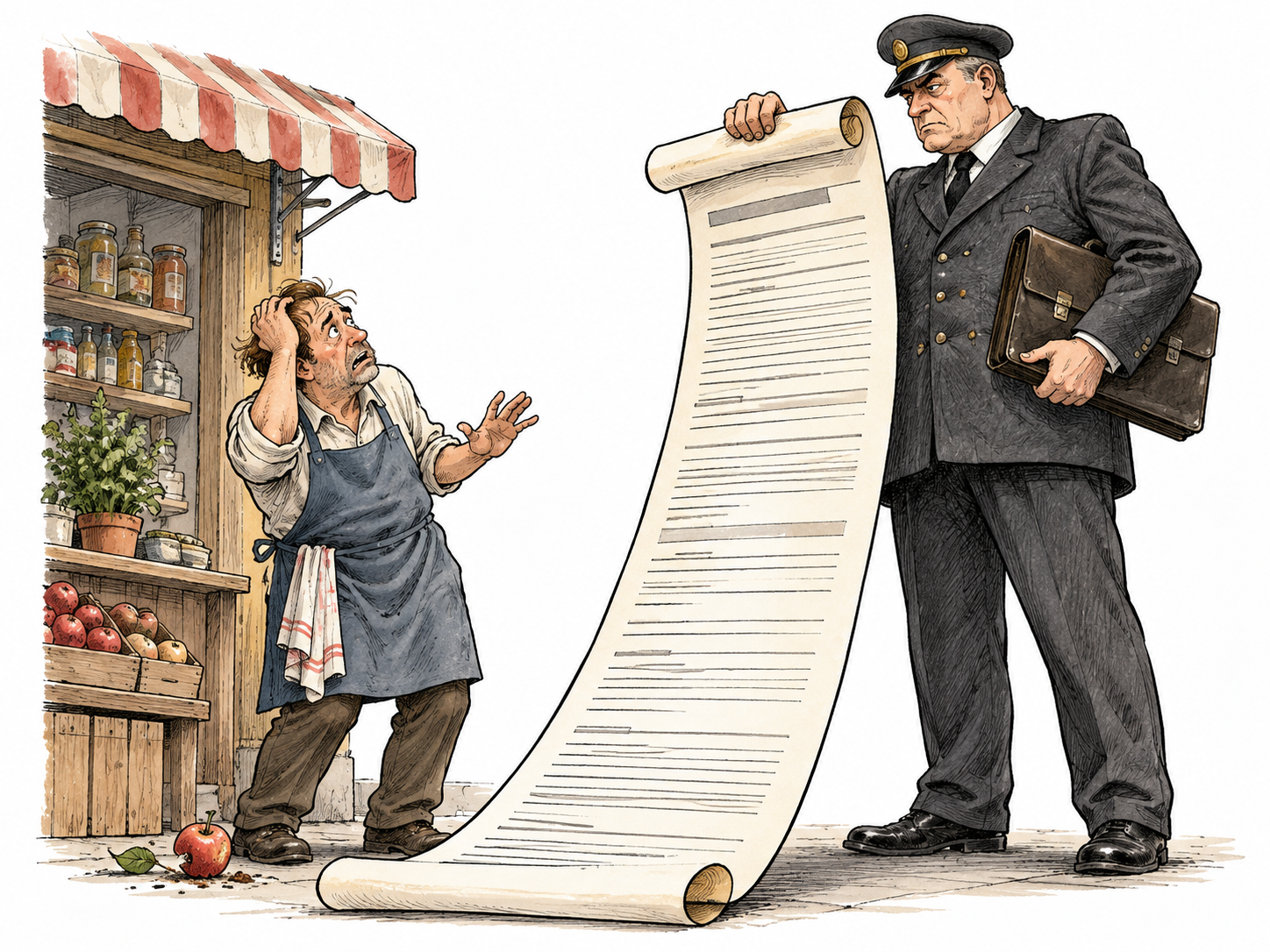
The punitive fine overwhelms the shopkeeper despite the modest infraction.
Etymology
Built on the verb meaning “to punish,” punitive describes something that inflicts or involves punishment. Its emphasis is on the penal character of a measure, rather than merely its unpleasantness.
In context
evidence of congressional intent to find something as criminal punishment. What does conclusive evidence mean? >> According to the Amigus, courts must find unmistakable penal intent and overwhelming indications of punitive purpose.
More examples
- The jury awards punitive damages to punish the company's deliberate misconduct.
- The new work schedule feels punitive, with almost no breaks.
- The government threatens punitive sanctions unless the attacks stop.
Forms
punitive
punitively adverb — In a way intended to punish.
Similar words
- punishing
- Emphasizes severe hardship rather than an intention to punish.
- disciplinary
- Aims to correct misconduct, not necessarily impose harsh punishment.
- harsh
- Describes severity without necessarily suggesting a purpose of punishment.