verb
purify
PYOOR-ih-fy/ˈpjʊrɪfaɪ/
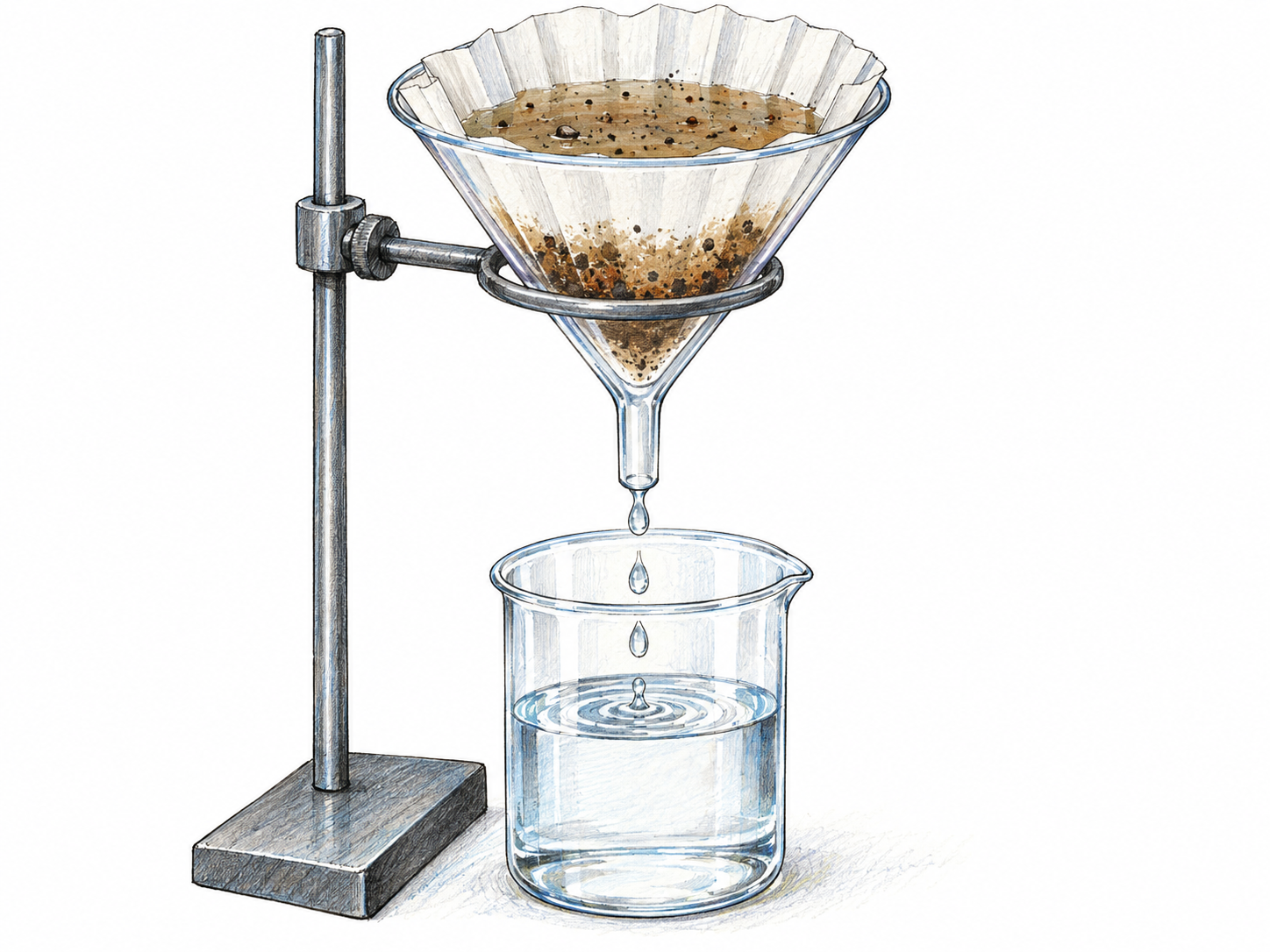
To rid something of impurities.
This filter purifies drinking water by trapping dirt and debris.
Etymology
The roots literally mean “make pure.” In English, purify first described freeing something from spiritual pollution, then also came to mean removing extraneous material—the physical cleaning sense used today.
In context
Persecution tends to purify the church. Flagrant, blatant sin tends to be dealt with by the church, but dissention and disunity and in-fighting can dissipate the energy of a church.
More examples
- Workers purify the metal before pouring it into molds.
- Distillation is one way to purify water.
- Participants bathe to purify themselves before the religious ceremony.
Forms
purify · purifies · purified · purifying
purification noun — The process of removing impurities from something.
purifier noun — A device or substance that removes impurities.