noun
repugnance
rih-PUG-nuns/rɪˈpʌɡnəns/
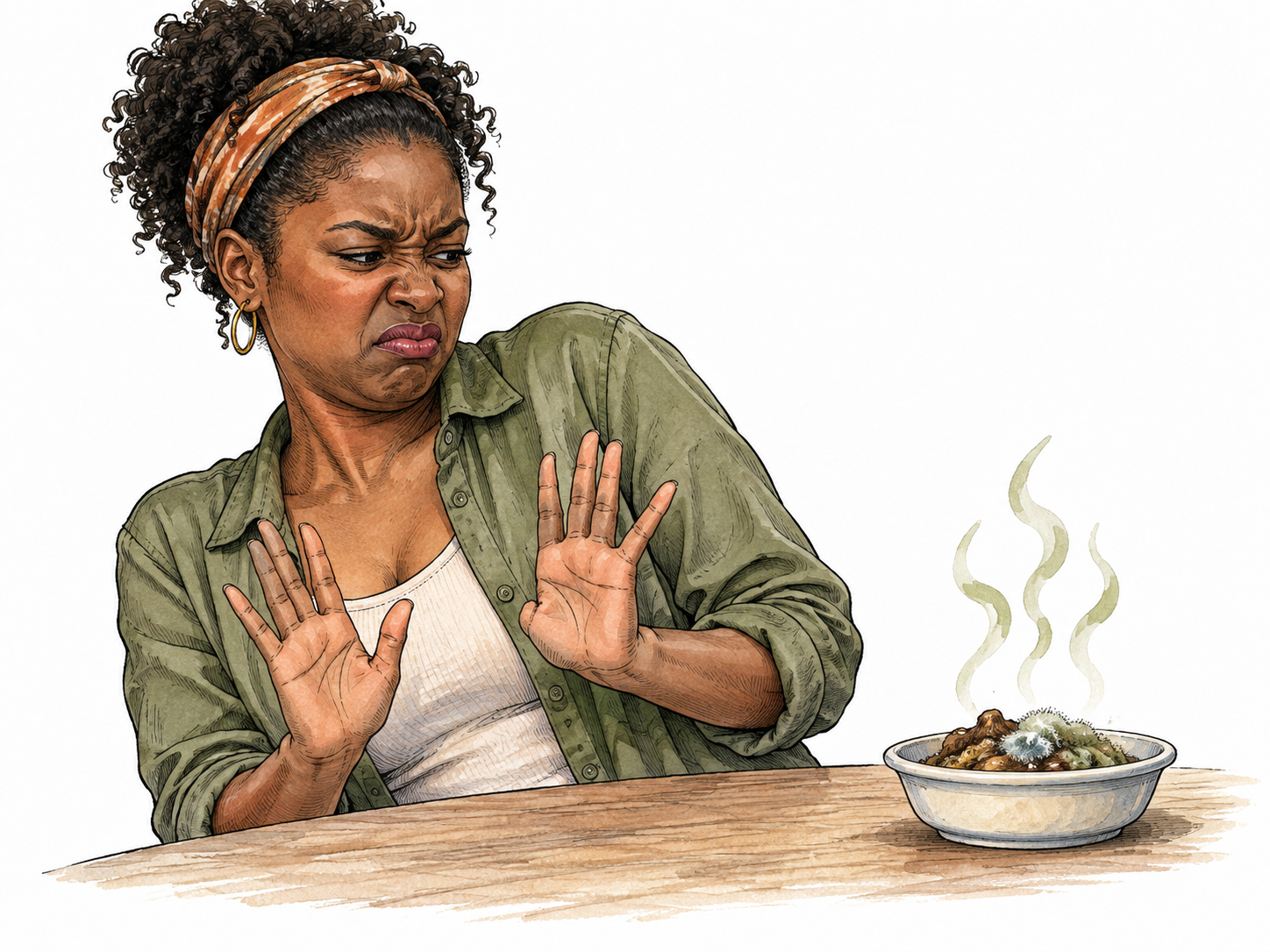
A strong feeling of disgust or aversion.
She turns away in repugnance at the sight of mold.
Etymology
The image is “fighting back”: resistance or opposition. Repugnance shifted from incompatibility and opposition to an inward resistance—a feeling of strong dislike or aversion.
In context
I could not collect the courage to recommence my work I feared the Vengeance of the disappointed fiend yet I was unable to overcome my repugnance to the task which was enjoined me
More examples
- His casual cruelty fills me with repugnance.
- She feels a deep repugnance toward unnecessary violence.
- He hides his repugnance as he empties the filthy trash can.
Forms
repugnant adjective — Causing strong feelings of disgust or aversion.