verb
revere
rih-VEER/rɪˈvɪr/
To feel deep respect or admiration for someone or something.
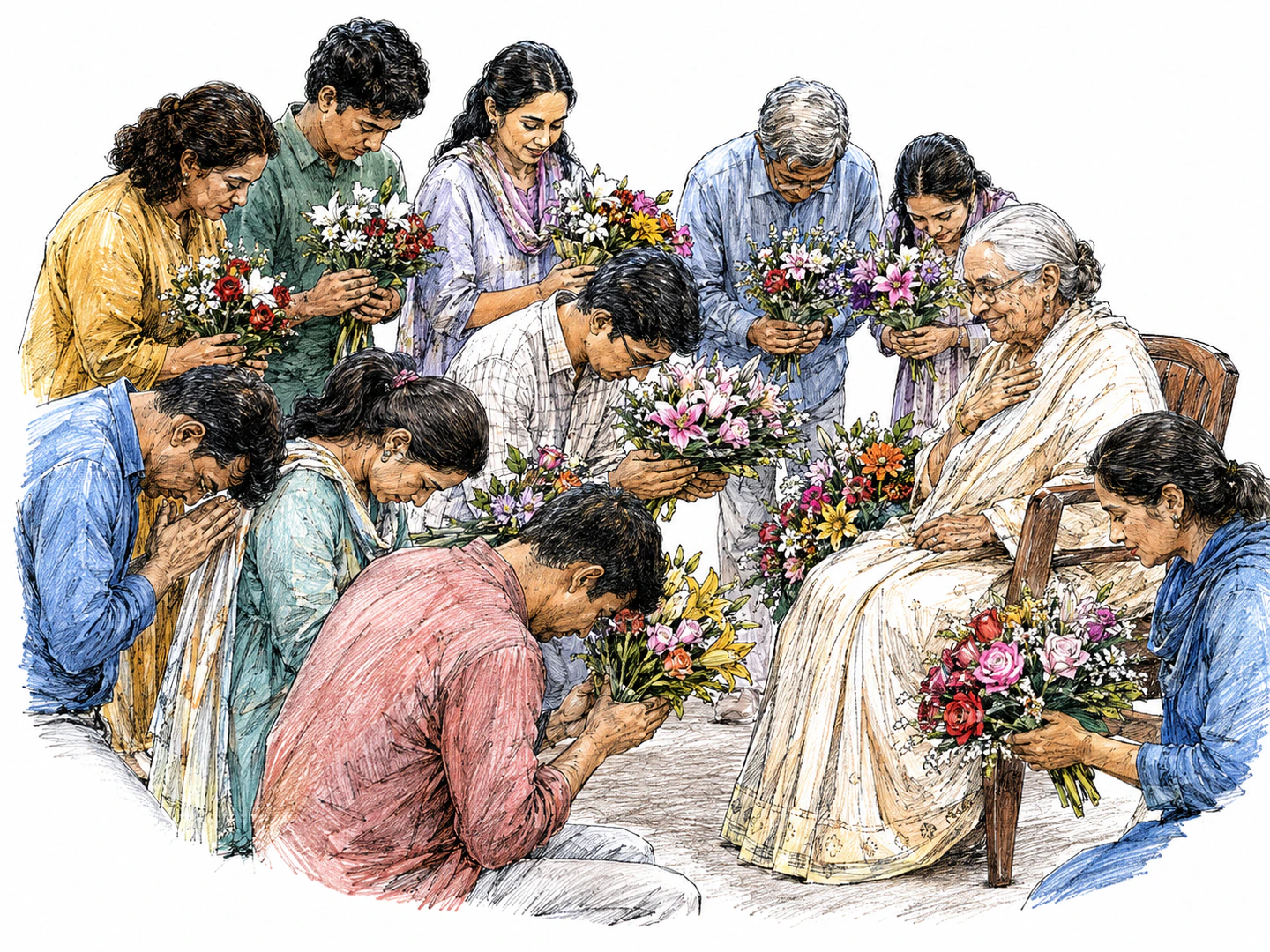
The gathered people revere the elder, bowing their heads and offering flowers.
Etymology
The root joins respect with fear and awe, giving revering more emotional weight than ordinary approval. The prefix may intensify that attitude, though its force here is uncertain.
In context
and that far from needing to revere and admire those who denied us love,
But if you're not on the left, or even if you are and you revere the First Amendment,
More examples
- The community reveres this forest as a sacred place.
- She revered her grandfather for his courage and kindness.
- You can revere a tradition without following every custom.