DictionarysarcasmMocking irony
noun

sarcasm

SAR-kaz-uhm/ˈsɑːrkæzəm/

Irony used to mock or express contempt.

Her exaggerated praise for the collapsed cake conveys sarcasm.
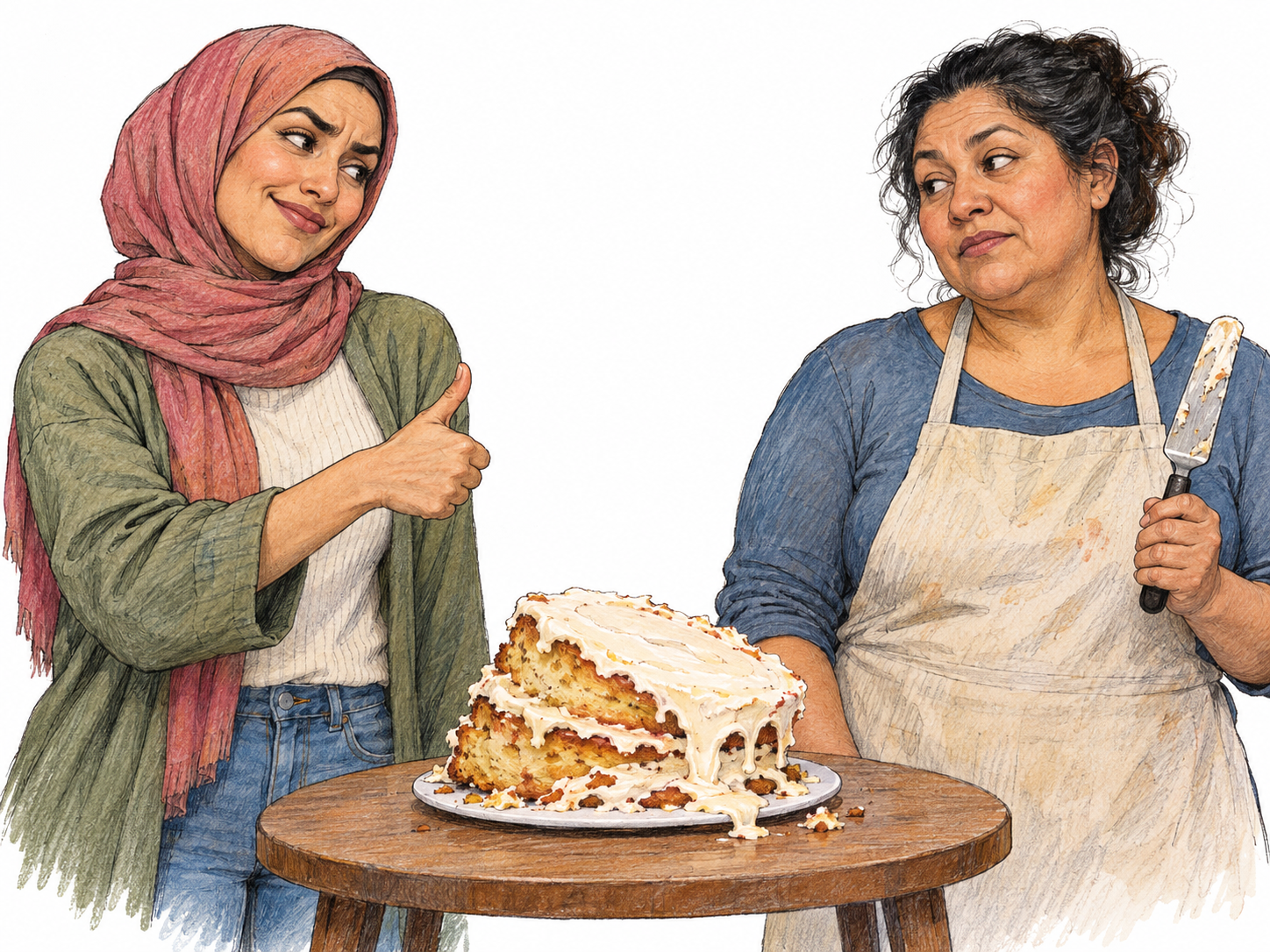
Beside a visibly collapsed homemade cake, a young woman gives an exaggerated approving thumbs-up while speaking with a crooked smile and raised eyebrow; the baker responds with a knowing, unimpressed look.
Etymology

Greek sarkasmos meant a sneer or taunt, from a verb meaning literally “to strip off the flesh.” This image of biting speech underlies sarcasm’s cutting mockery.

In context

Learning Canteen4:56
British humor leans heavily on sarcasm, understatement, and irony. People say the opposite of what they mean with a completely straight face.
10 Things That Shock First Time Visitors To The UK

More examples

  • The reply was full of sarcasm.
  • He missed the sarcasm in her voice.
  • She answered with dry sarcasm rather than anger.

Forms

sarcasm

Similar words

irony
Irony need not mock or express contempt.
mockery
Mockery need not say the opposite of what is meant.