DictionarysatirizeHumorous criticism
verb

satirize

SAT-uh-ryze/ˈsætəraɪz/

To criticize through irony, ridicule, or comic exaggeration.

The cartoonist satirizes greed by drawing a pompous figure burdened with an enormous purse.
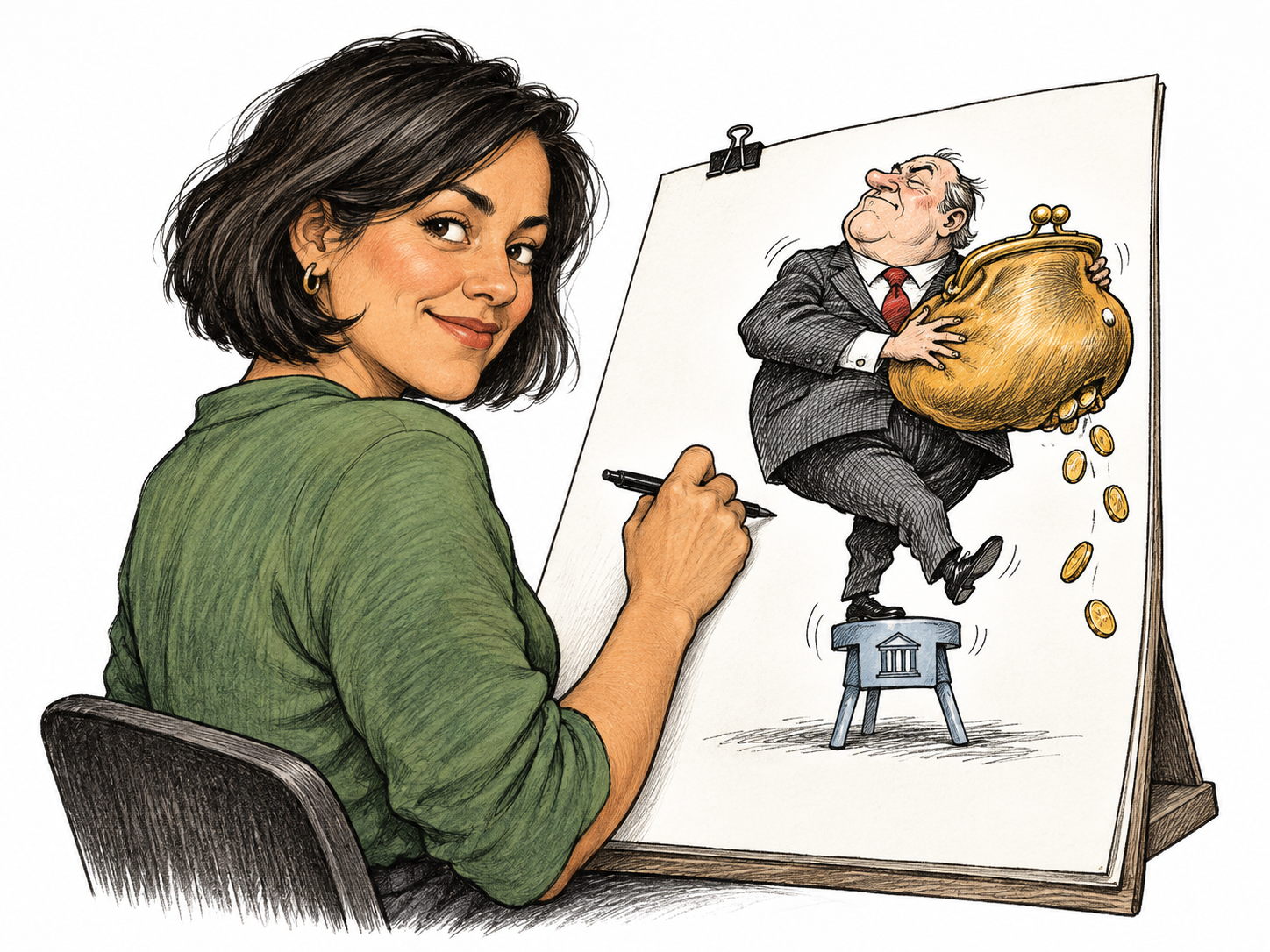
Cartoonist draws exaggerated pompous figure balancing huge coin purse on tiny public-service stool, smiles wryly while paper drawing exposes greed; no written words or identified real person, editorial ink within ink scene.
Etymology

Satura developed from a mixed dish into a poetic medley, then poetry attacking faults. With a verb-forming ending, satirize first meant writing satires and then exposing people or ideas to ridicule.

In context

5x15 Stories2:20
my job is to satirize and make fun of politicians of every description and every party
John Crace @ 5x15 - A Political Sketch

More examples

  • Her cartoons satirize the endless meetings at her office.
  • The novel satirized high society by exaggerating its elaborate manners.
  • By satirizing wasteful spending, the comedian makes a serious point.

Forms

satirize · satirizes · satirized · satirizing

satire noun — Humor or irony used to expose faults.

satirical adjective — Using humor or irony to criticize.

Similar words

lampoon
Emphasizes sharp, often personal ridicule of a particular target.
parody
Imitates a recognizable style for humor, not necessarily criticism.
mock
Means making fun of something, without necessarily exposing broader faults.