verb
shun
SHUN/ʃʌn/
To deliberately avoid or reject someone or something.
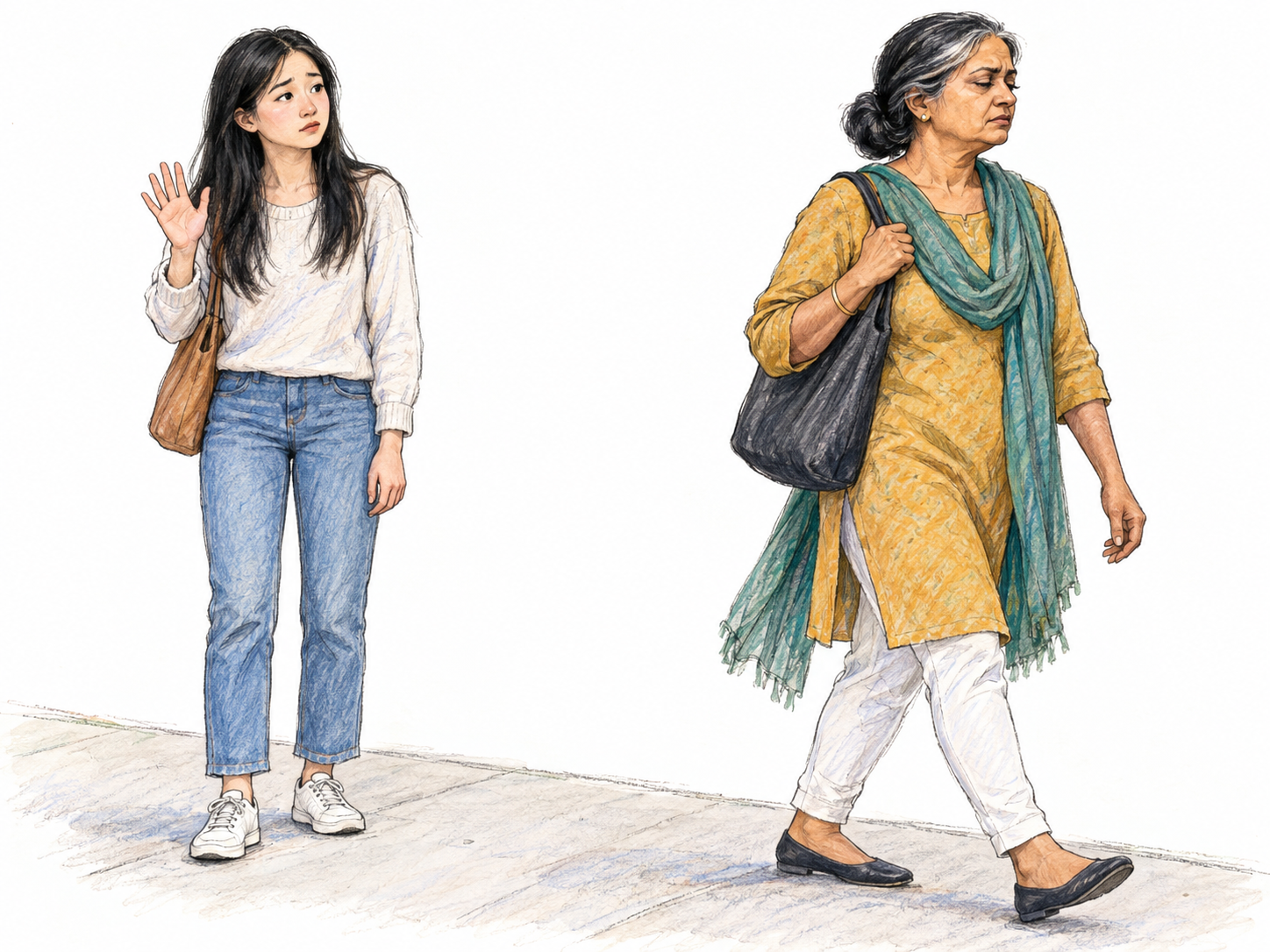
The older woman shuns the friendly greeting by turning away and walking past.
Etymology
Scunian combined keeping away with abhorrence and seeking safety by concealment. Modern shun preserves that connection between avoidance and rejection, without necessarily implying physical flight or hiding.
In context
life of a Believer faith in in the life of a Believer because he's rebuking double-mindedness a Believer who is walking by faith and U has a focus will obviously shun double-mindedness
More examples
- His former friends shunned him after he betrayed their trust.
- Many shoppers shun products with excessive packaging.
- He prefers quiet trails, shunning the crowded tourist spots.
Forms
shun · shuns · shunned · shunning