noun / verb
strike
STRYKE/straɪk/
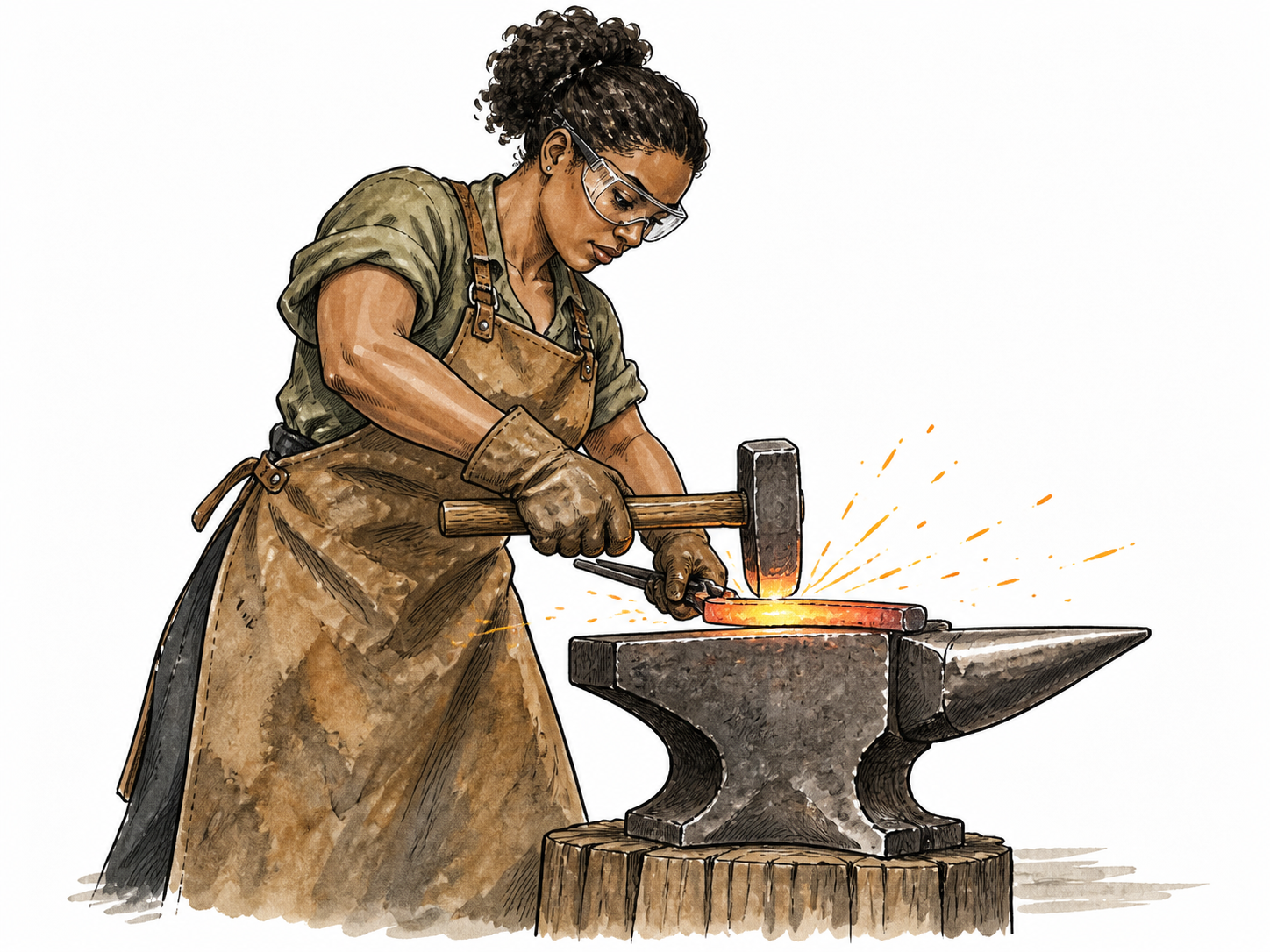
A forceful directed hit.
The blacksmith strikes the hot iron firmly with her hammer.
Etymology
Old English strican meant passing lightly over or smoothing something; the forceful sense “deal a blow” developed later. The protest sense may come from putting down tools, lowering sails in refusal to sail, or threatening action.
In context
Qassem Soleimani killed in a U.S. drone strike outside of Baghdad's international airport. >> Missiles from the U.S. drone hit their convoy as it left the airport. >> We elected ultimately to strike him in Baghdad
More examples
- One well-placed strike splits the board in two.
- She strikes a match to light the candle.
- He strikes the bell, and its clear tone echoes.
- A troubling thought strikes me as I leave.
Forms
strike · strikes · struck · stricken · striking