adjective
sulky
SUL-kee/ˈsʌlki/
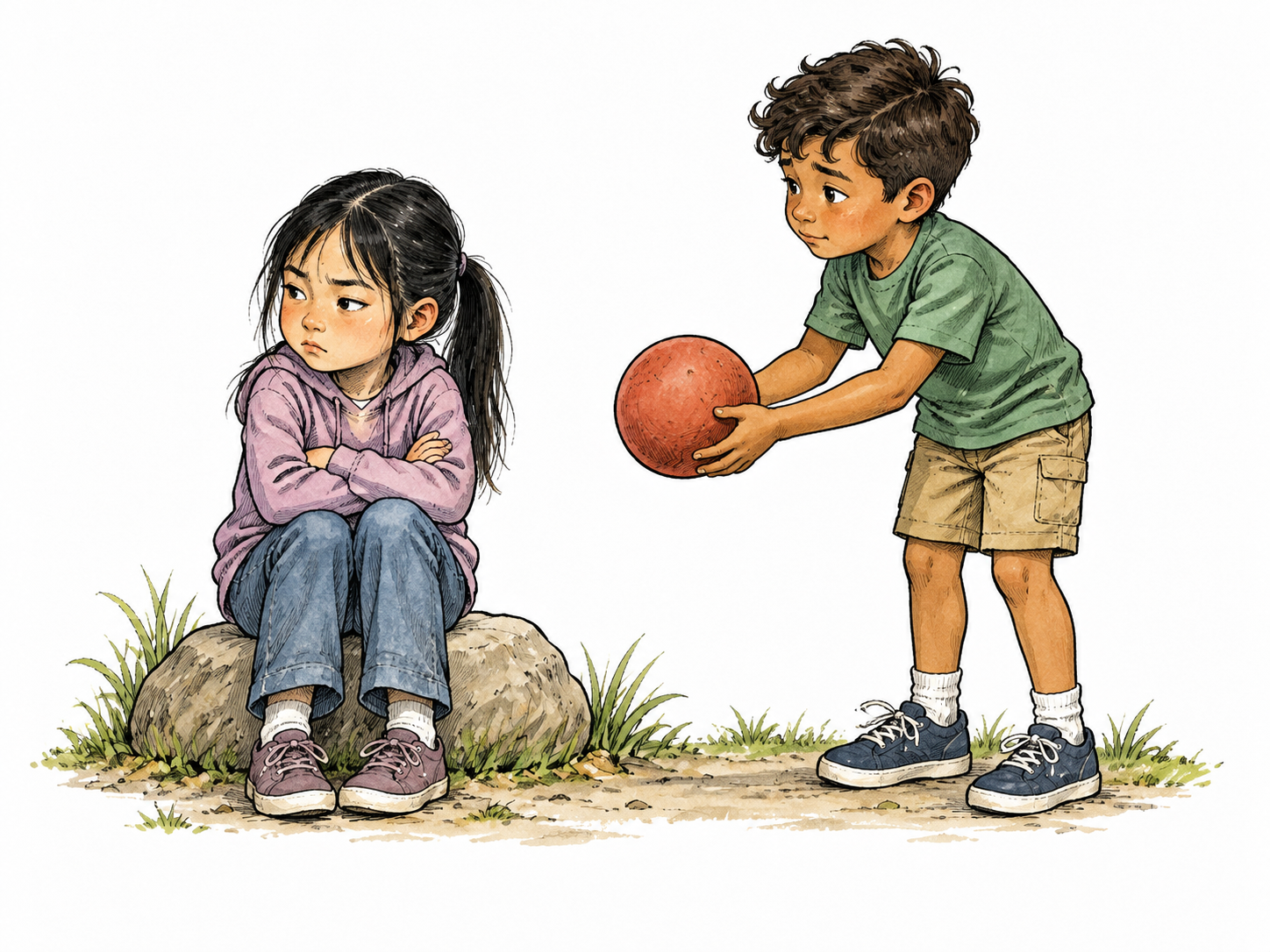
Silent and bad-tempered from resentment.
He looks sulky and stops talking when his friends exclude him.
Etymology
The origin is uncertain: a connection with an Old English verb meaning “become sluggish” has been suggested but is not established. The recorded adjective already describes silent resentment and aloofness.
In context
the real cause of his bodily and mental discomfort was his wife, so he maintained a sulky silence behind the pages of his newspaper.
More examples
- She gives a sulky shrug after her suggestion is dismissed.
- He gets sulkier each time his brother takes another turn.
- Even an apology cannot lift his sulky mood.
Forms
sulky · sulkier · sulkiest
sulk verb — Remain silently angry after feeling wronged.
sulkily adverb — In a silently angry, resentful manner.
Similar words
- sullen
- Suggests gloomy withdrawal, not necessarily resentment over a specific disappointment.
- resentful
- Emphasizes lingering bitterness about unfair treatment, without requiring silence.