verb
suppose
suh-POHZ/səˈpəʊz/
To assume a condition to be true or intended.
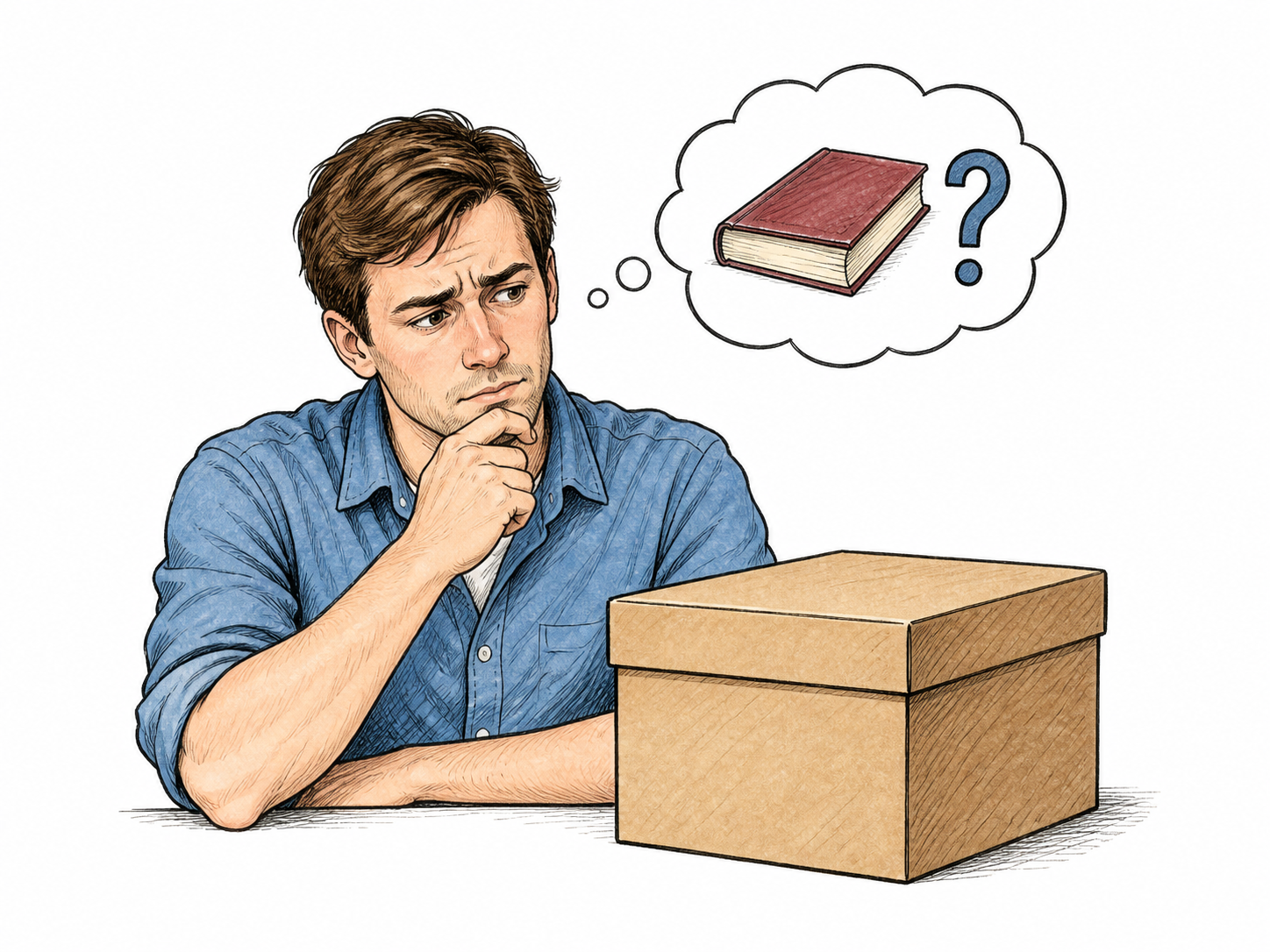
The man supposes a book lies inside the unopened box.
Etymology
Old French suposer meant “to assume.” In English, taking something as a basis for argument developed into believing it true without being certain.
In context
few of us ever ask ourselves for example what reason there is to suppose the food we are just going to eat will not turn out to be poison
More examples
- Let's suppose we miss the last bus.
- You're supposed to sign in before entering the lab.
- This switch is supposed to turn on the porch light.
Forms
suppose · supposes · supposed · supposing
supposition noun — An idea accepted as true without proof.