noun
syllogism
SIL-uh-jiz-um/ˈsɪlədʒɪzəm/
A logical argument drawing a conclusion from two premises.
A syllogism uses two premises to reach a logical conclusion.
Etymology
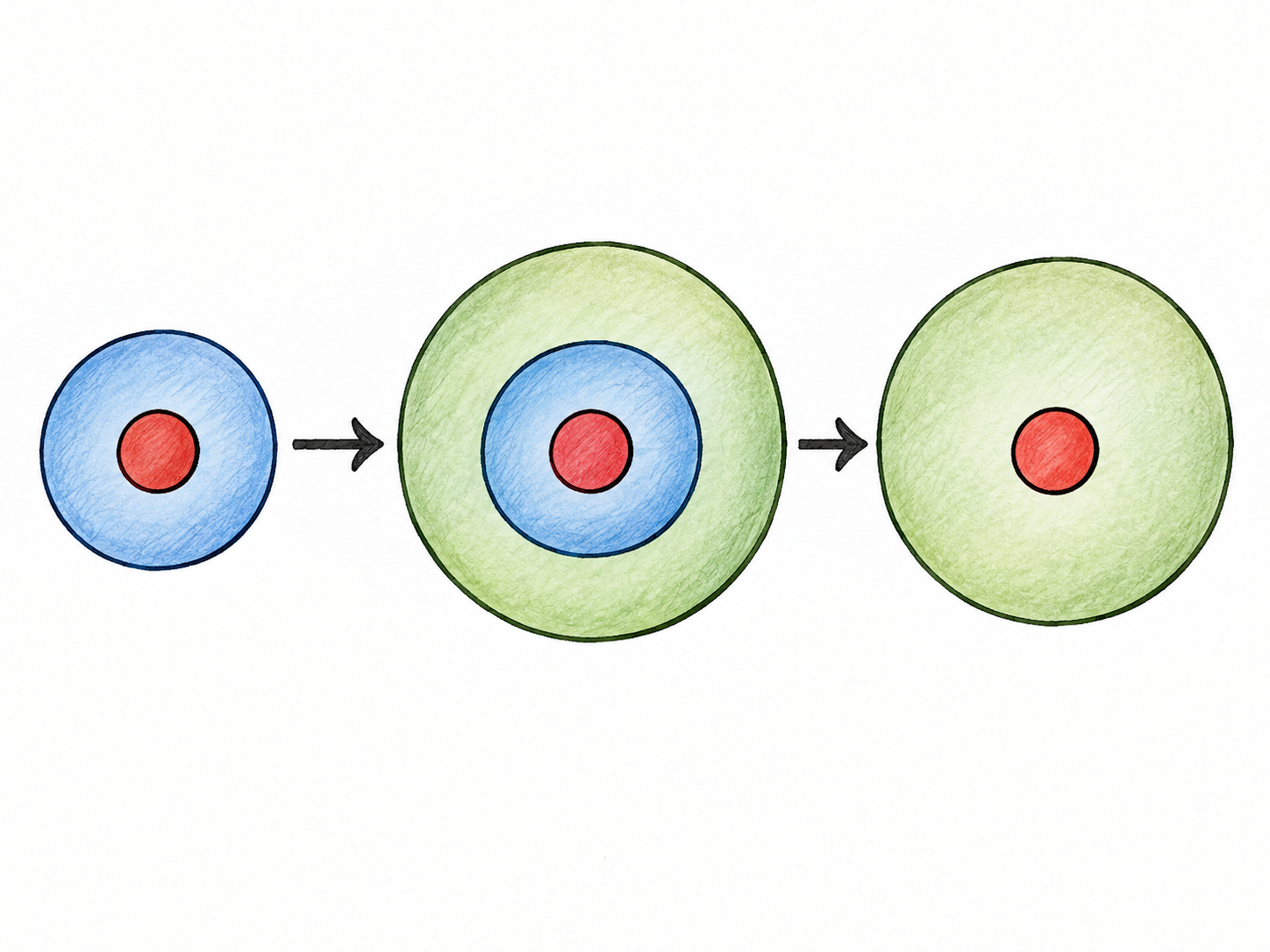
The components express “reasoning together”: bringing things together in the mind to reach an inference. In the logical formula, two premises are considered together to yield a conclusion.
In context
here's the basic syllogism premise number one whatever begins to exist has a cause premise number two the universe began to exist therefore the universe has a cause
More examples
- Her syllogism fails because its first premise is false.
- We compare two syllogisms that reach the same conclusion.
- The syllogism runs: All birds have feathers; robins are birds; therefore, robins have feathers.
Forms
syllogism · syllogisms
syllogistic adjective — Using or relating to two-premise logical arguments.