DictionaryRoot: -alis
Latin

-alis

of, relating to

Forms

  • -alis
  • -aris — Latin variant especially used when the stem already contained l, avoiding a repeated l sound.
  • -al — English ending borrowed through French or directly from Latin.
  • -ar — English ending continuing Latin -aris.

Origin

An older Latin adjective-forming suffix; its more remote ancestry is uncertain.

Note

Expresses a relationship without specifying its kind: material, place, purpose, and other connections are possible.

249 / 291
determiner / pronoun

several

SEV-ruhl/ˈsevrəl/

More than two but not many.

Several pears rest on the table.
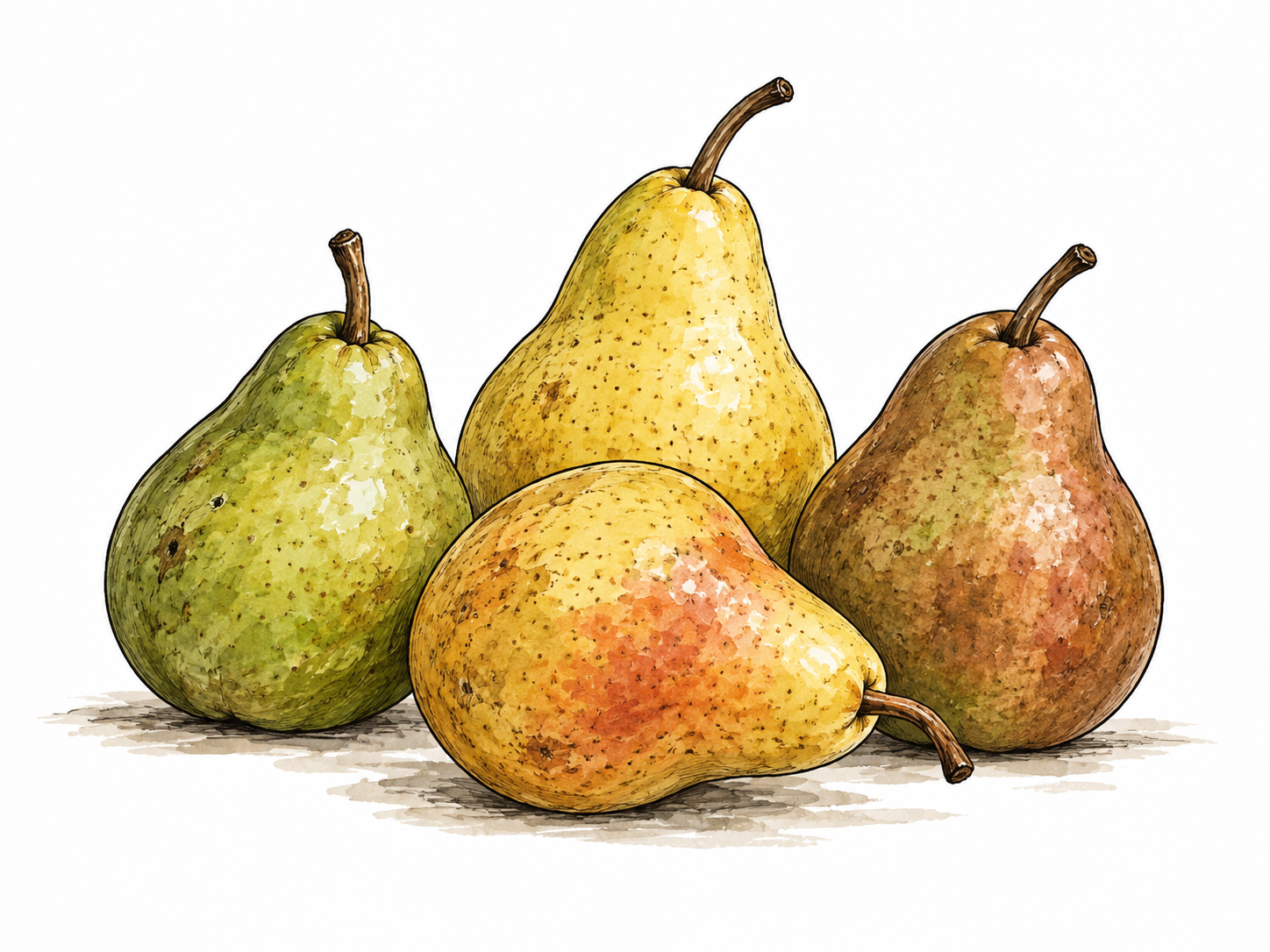
Four distinct ripe pears.
Etymology

From “separate,” several came to describe things assigned individually in legal use. That distributive sense developed into “more than one” and then a vague small number.

In context

Enhanced Public Domain377:12
this Academy is not an entire single building but a continuation of several houses on both sides of the street
1700s Satire: Jonathan Swift - Gulliver's Travels (Audiobook)

More examples

  • Several of us stayed behind to help.
  • I have read several books by that author.
  • She offered several possible explanations.

Forms

several

Similar words

few
Usually suggests a smaller number.
many
Suggests a substantially larger number.