DictionaryRoot: claudere
Latin

claudere

close or shut

Forms

  • claudere
  • claus- — The form used for completed action.
  • -clud- — The vowel changed in Latin compounds.
  • -clus- — The corresponding changed completed-action form.

Origin

Related to Latin clavis, “key,” in an older Indo-European family associated with closing.

Note

Closing can suggest ending an argument, keeping something in, or keeping something out.

1 / 17
noun

clause

KLAWZ/klɔːz/

A grammatical unit containing a subject and a predicate.

The clause Birds sing contains a subject and a predicate.
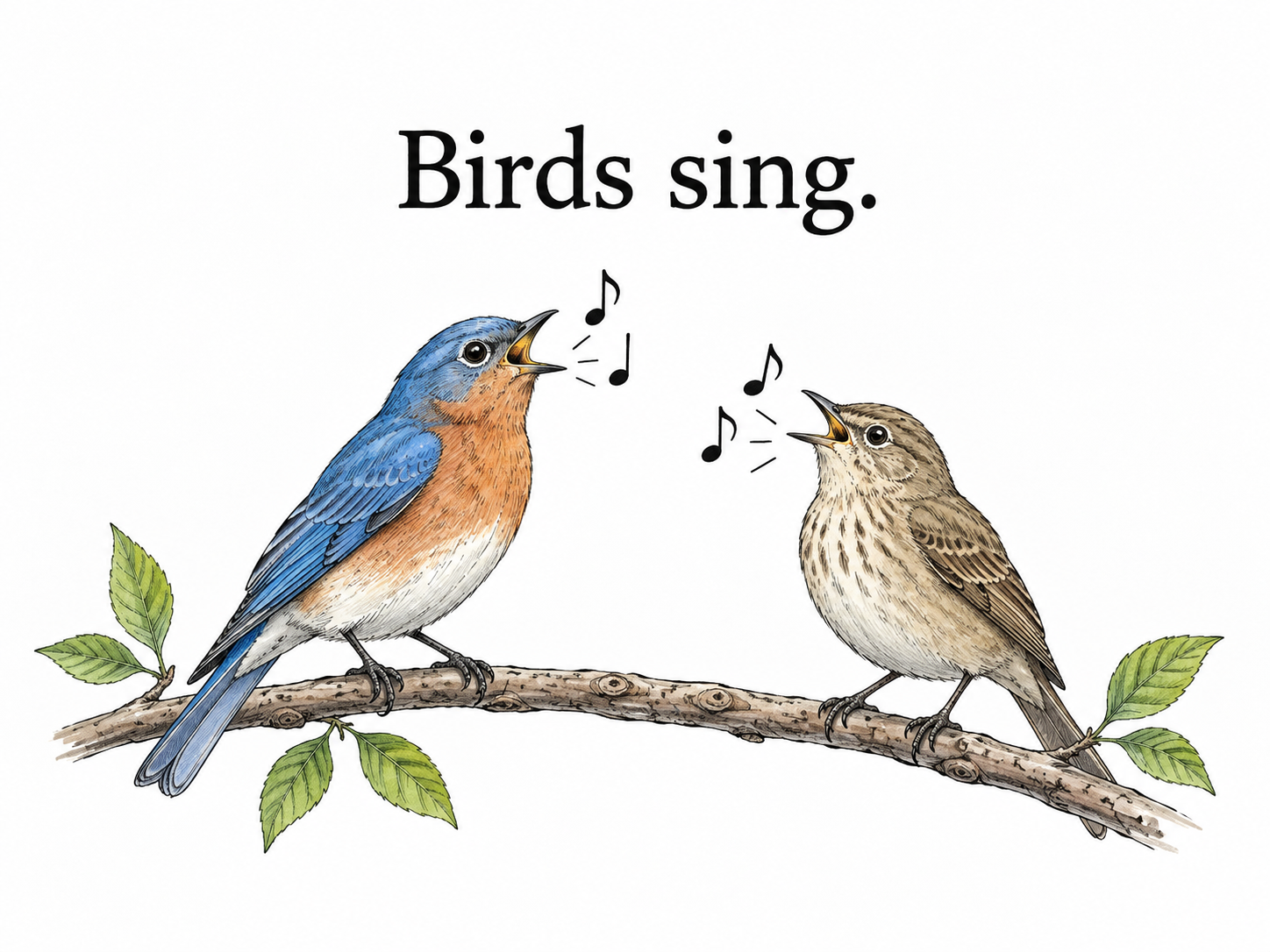
A clean grammar card shows only essential short clause “Birds sing.” with a small drawing of two birds, no definition, heading or explanatory text.
Etymology

The root meaning “close” also meant “conclude,” giving a noun for a conclusion or sentence ending. That developed into a term for a written passage and then a grammatical unit within a sentence.

In context

Arnel's Everyday English1:06
Each relative clause has a subject and a verb.
RELATIVE PRONOUNS | RELATIVE CLAUSES | ADJECTIVE CLAUSES - who, which, that, whose, whom

More examples

  • The sentence joins two clauses.
  • She identified the dependent clause.
  • Each clause contributes a separate grammatical unit.

Forms

clause · clauses

Similar words

sentence
A sentence may contain several clauses.
phrase
A phrase lacks the full subject-predicate structure of a clause.