verb / noun
discharge
dis-CHARJ/dɪsˈtʃɑːrdʒ/
Release from a containing place or imposed control.
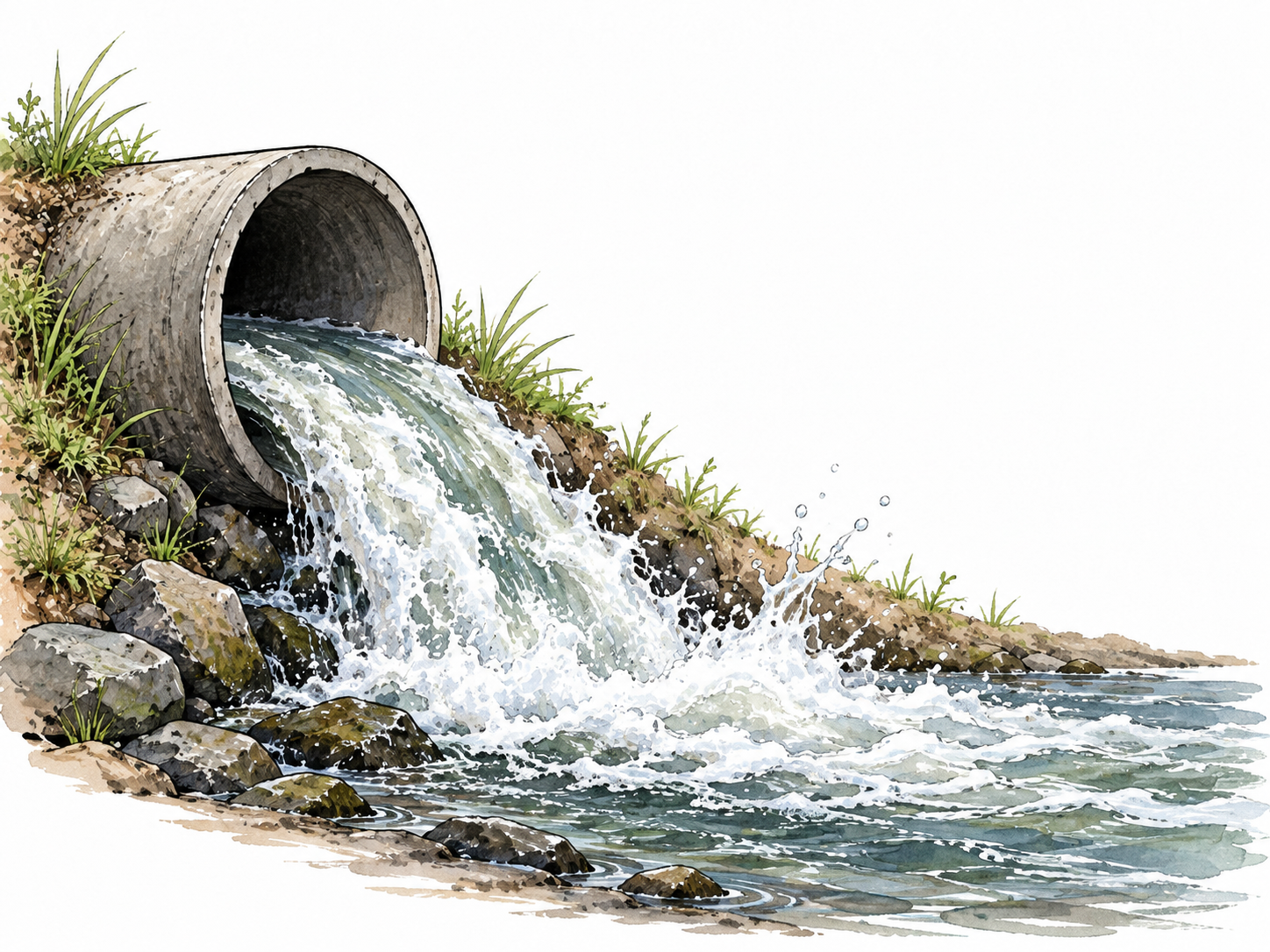
The pipe discharges treated water into the river every day.
Etymology
Reversing the action of loading gives the original image of unloading. That release of a load broadened to sending something out, as when a weapon fires or a river empties.
In context
squeeze squeeze the lever to discharge the extinguishing agent releasing the lever will stop the discharge
More examples
- The doctor approves her discharge from the hospital.
- He received an honorable discharge from the Army.
- The officer discharged his weapon at the shooting range.
- Touching the doorknob caused a small electrical discharge.
Forms
discharge · discharges · discharged · discharging