DictionaryRoot: in-
Latin

in-

in, into, on, upon

Forms

  • in-
  • im- — Used before b, m, or p in Latin.
  • il- — Used before l in Latin.
  • ir- — Used before r in Latin.
  • en- — Developed in French in some words later borrowed into English.

Origin

Reconstructed Proto-Indo-European *en, ‘in.’

Note

Identical spellings can hide two different prefixes: this one indicates position or direction, while the other means ‘not.’

216 / 267
noun / verb

instrument

IN-struh-muhnt/ˈɪnstrəmənt/

A tool designed to carry out a skilled task.

The caliper is a precision instrument for measuring the metal cylinder.
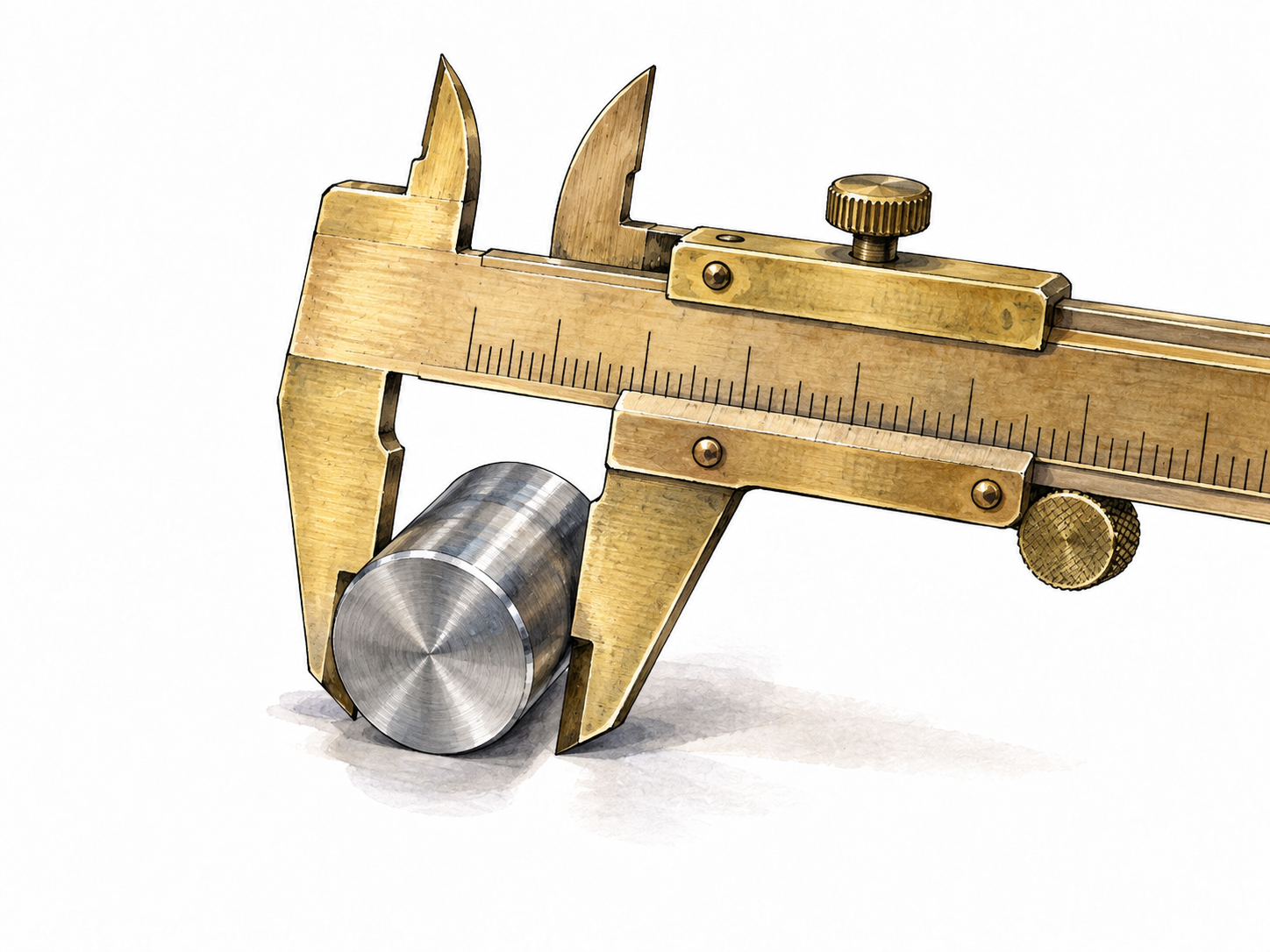
Close still life of a precision brass caliper measuring the diameter of a small machined metal cylinder, instrument as practical tool.
Etymology

The building roots belong to a verb that also meant preparing or setting in order. Instrument names a means or implement for doing something, preserving the practical equipment sense of Latin instrumentum.

In context

Economics from Home2:44
in contrast a questionnaire is an instrument used solely to collect data whether in a survey or any other procedure
Surveys and Questionnaires

More examples

  • This instrument measures changes in air pressure.
  • Technicians instrument the test vehicle to record engine performance.
  • Clean the dental instruments after each procedure.

Forms

instrument · instruments · instrumented · instrumenting

instrumentation noun — Measuring and recording devices used together.

Similar words

tool
A broader term, including implements for simple manual tasks.
device
Emphasizes a particular function rather than skilled or precise use.
apparatus
Often refers to a complete equipment setup, not one tool.