DictionaryRoot: in-
Latin
in-
in, into, on, upon
Forms
- in-
- im- — Used before b, m, or p in Latin.
- il- — Used before l in Latin.
- ir- — Used before r in Latin.
- en- — Developed in French in some words later borrowed into English.
Origin
Reconstructed Proto-Indo-European *en, ‘in.’
Note
Identical spellings can hide two different prefixes: this one indicates position or direction, while the other means ‘not.’
225 / 306
adjective
insidious
in-SID-ee-uhs/ɪnˈsɪdiəs/
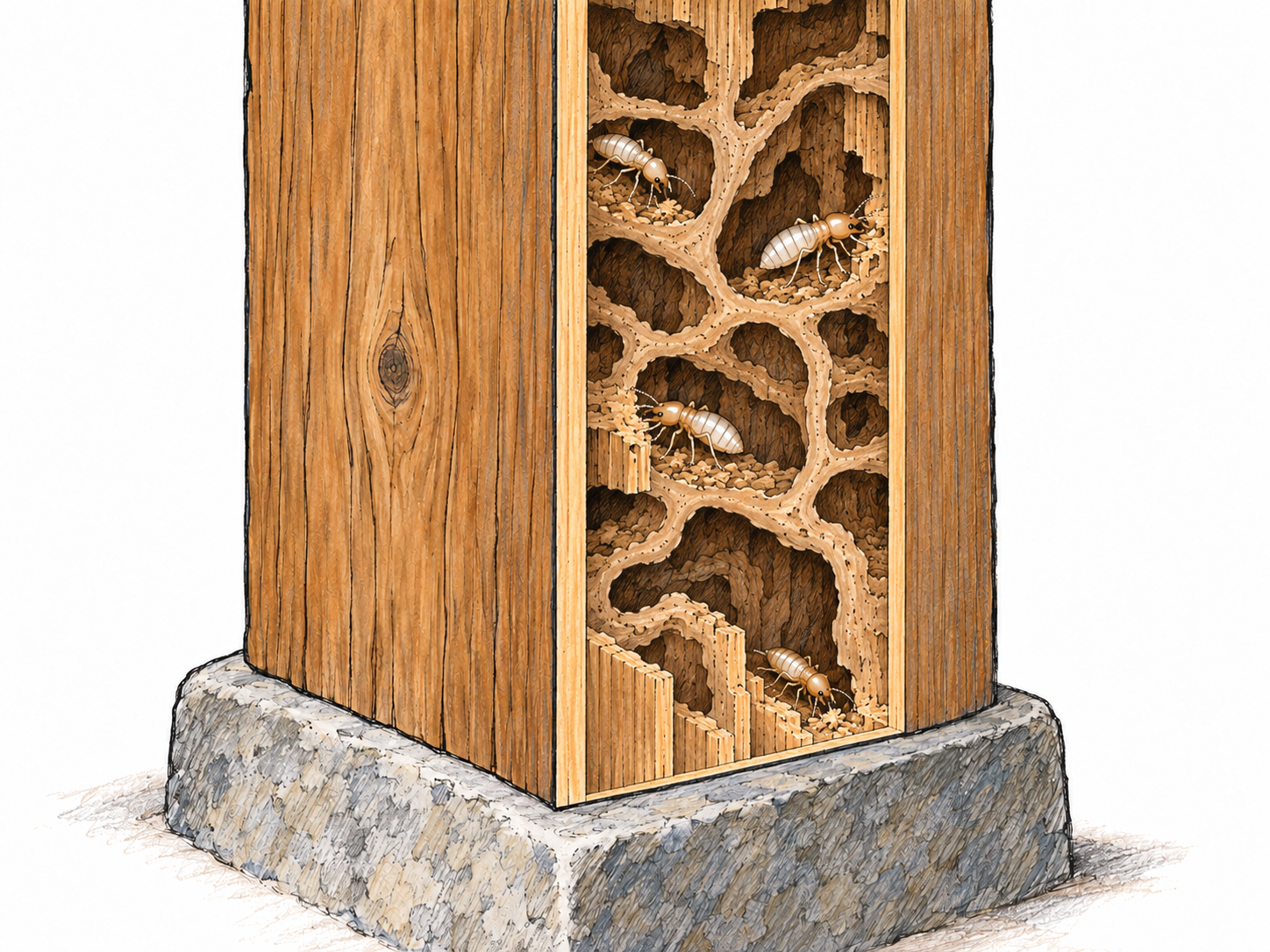
Causing harm gradually in a way that is hard to notice.
Etymology
“Sitting in or on” led to the image of an ambush: lying in wait to entrap. Insidious harm similarly works deceptively, developing without making its danger obvious.
Related word entries
- anoint
- coincide
- coincidence
- coincident
- empire
- employ
- enchant
- enchanter
- enchantment
- enclave
- encounter
- encrust
- encumbrance
- endorsePublic approval
- endorseAuthorizing signature
- endow
- endure
- engender
- engine
- enjoin
- enrage
- enrich
- ensemble
- ensignIdentifying flag
- ensignNaval officer
- ensue
- entitleGive a title
- entitleGive a right
- entomb
- entrap
- envious
- envoy
- envy
- illuminateLighting
- illuminateManuscript decoration
- illuminationLighting
- illuminationManuscript decoration
- illusion
- illusory
- illustrate
- illustration
- imbibe
- immerse
- immersion
- immigrant
- immigrate
- immolate
- immolation
- impact
- impair
- impairment
- impale
- impanel
- impart
- impasto
- impeach
- impeachment
- impede
- impediment
- impel
- imperative
- impersonate
- impetuous
- impetus
- impinge
- implant
- implantation
- implementPutting into effect
- implementTool
- implicateConnection to wrongdoing
- implicateImplied consequence
- implicationLikely consequence
- implicationInvolvement
- implicitUnderstood without being stated
- implicitUnquestioning
- implore
- implosion
- imply
- importGoods from abroad
- importMeaning
- importImportance
- importance
- important
- importation
- impose
- impostor
- impress
- impressed
- impressionFeeling or opinion
- impressionOnline advertisement display
- impressionImitation of a person
- impressive
- imprimatur
- imprint
- imprison
- imprisonment
- impromptu
- impugn
- impulse
- impulsive
- impute
- inaugural
- inaugurate
- inauguration
- incandescent
- incantation
- incarcerate
- incarceration
- incarnate
- incarnation
- incentive
- incidenceTax burden distribution
- incidenceStriking a surface
- incidenceOccurrence and frequency
- incidental
- incinerate
- incineration
- incisive
- incite
- incitement
- inclination
- incline
- include
- inclusive
- incorporate
- incorporation
- increase
- increment
- incriminate
- incubate
- incubationEgg hatching
- incubationDisease development
- incubus
- inculcation
- incur
- incursion
- indebted
- indent
- indenture
- indication
- indicativeServing as a sign
- indicativeMood for factual statements
- indicator
- induce
- induct
- inductionElectrical or magnetic influence
- inductionTriggering a biological process
- inductionReasoning from specific cases
- inductionFormal introduction to a role or group
- inductiveElectrical or magnetic induction
- inductiveProcess initiation
- inductiveReasoning from observations
- inebriate
- inebriation
- infarct
- infarction
- infatuation
- infect
- infection
- inferIndirect suggestion
- inferDrawing a conclusion
- inference
- inflammable
- inflammation
- inflate
- inflationFilling with air or gas
- inflationRising prices
- inflectVarying vocal tone
- inflectChanging grammatical form
- inflectionChange in voice
- inflectionGrammatical word change
- inflict
- infliction
- influence
- influential
- influx
- informGiving information
- informShaping or guiding
- informant
- informationFacts or knowledge
- informationFormal criminal charge
- informative
- informer
- infraction
- infringe
- infuse
- infusionIntroduction into a whole
- infusionExtraction by steeping
- ingest
- ingestion
- ingredient
- ingress
- inhabit
- inhabitable
- inhabitant
- inhalation
- inhale
- inhere
- inherent
- inherit
- inheritance
- inhibition
- injection
- injunction
- innate
- innovate
- innovation
- innovator
- innuendo
- inoculatedisease protection
- inoculatemicroorganism introduction
- inoculation
- inquest
- inquire
- inquisitionHarsh questioning
- inquisitionChurch tribunals
- inquisitive
- inquisitor
- inscribe
- inscription
- insect
- inseminate
- insert
- insertion
- insidious
- insignia
- insinuateIndirect suggestion
- insinuateSubtle entry
- insinuation
- insist
- insistent
- inspect
- inspection
- inspector
- inspirationCreative motivation
- inspirationBreathing in
- inspire
- install
- installation
- instance
- instant
- instill
- instinct
- instituteSpecialized organization
- instituteEstablish or introduce
- institution
- instruct
- instruction
- instructor
- instrumentTechnical device
- instrumentLegal document
- insult
- insurgent
- insurrection
- intend
- intended
- intense
- intensiveConcentrated effort
- intensiveAdds emphasis
- intent
- intention
- inter
- interment
- intimidate
- intonation
- intone
- intoxicate
- intoxicationAlcohol or drug impairment
- intoxicationPoisoning
- intricate
- intrigueSecret plotting
- intrigueArousing curiosity
- intrude
- intrusion
- intuit
- intuition
- intuitive
- inundation
- invade
- invasion
- invasive
- invective
- invent
- invention
- inventive
- inventor
- inventory
- inverse
- inversion
- invertReversing
- invertSplit sugar mixture
- invest
- investigation
- investigator
- investiture
- inveterate
- invigilate
- invocation
- invoke
- involve
- irradiate
- irradiation
- irrigate
- irrigation
- super
- superintendent