DictionaryRoot: ob-
Latin

ob-

toward, against; in the way

Forms

  • ob-
  • oc- — Used before c in Latin.
  • of- — Used before f in Latin.
  • op- — Used before p in Latin.

Origin

Usually traced to reconstructed Proto-Indo-European *epi, ‘on; near; against.’

Note

Facing something can suggest either approaching it or standing in its way.

34 / 61
adjective

obtuse

ub-TOOS/əbˈtuːs/

Blunt rather than sharp or pointed.

The blue pencil has an obtuse tip beside the sharply pointed red one.
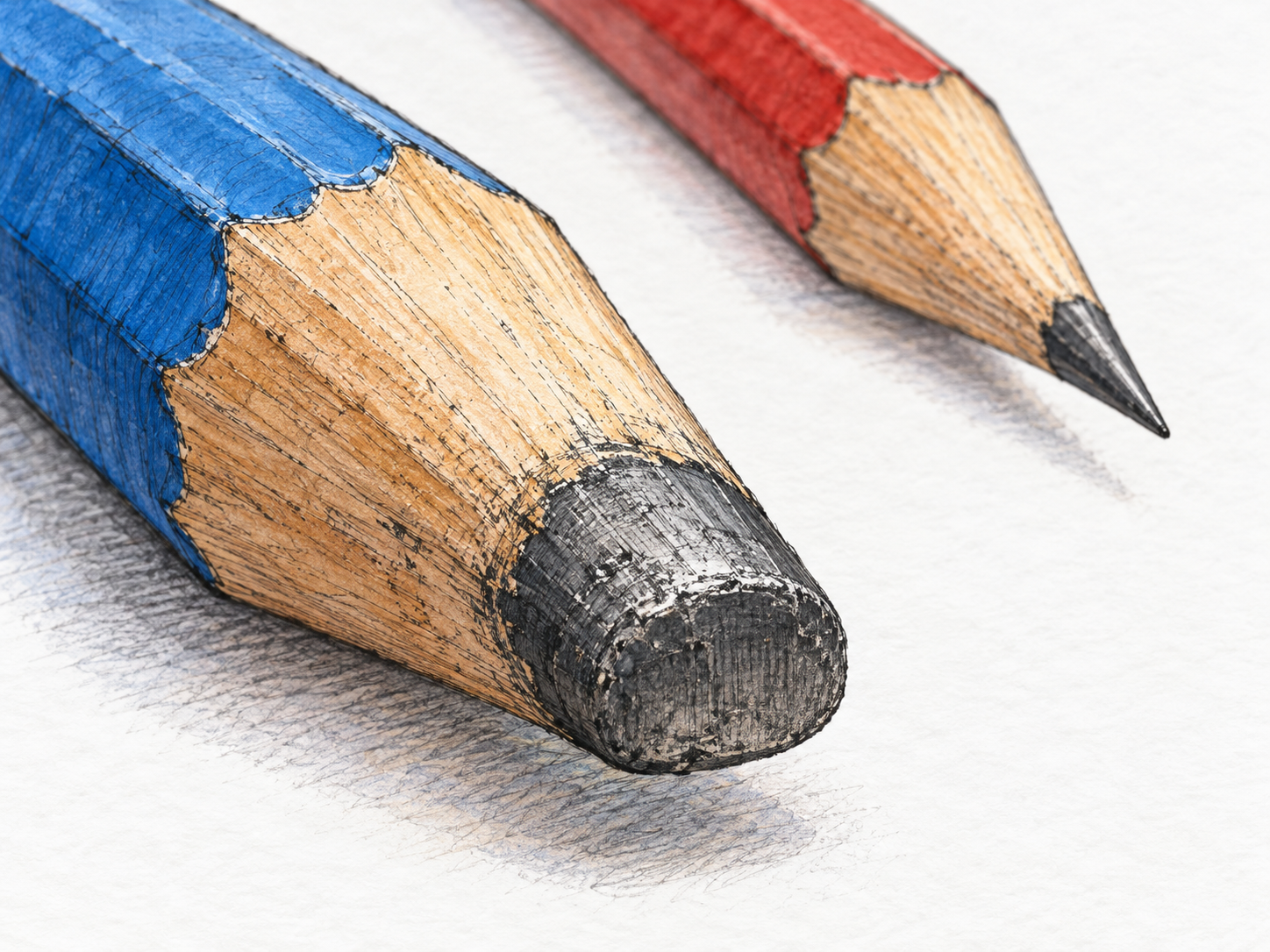
A blue pencil has a broad blunt tip beside a red pencil with a sharp point.
Etymology

Beating against something gives the image of blunting it. Physical dullness became a metaphor for mental dullness: an obtuse person lacks sharpness of understanding or perception.

In context

Libranima219:28
I have more of the obtuse than the acute in me; but repeat the case over again,
Don Quixote - Cervantes (Illustrated Audiobook) Part 4 of 4

More examples

  • Under magnification, the needle's worn tip looks obtuse.
  • The drawing shows a blade with an obtuse tip.
  • The flower's petals are obtuse at their outer ends.

Forms

obtuse · more obtuse · most obtuse

obtuseness noun — The quality of being blunt or rounded.

Similar words

blunt
Blunt is the everyday word for a tip lacking sharpness.
rounded
Rounded emphasizes a curved outline rather than a sharp point.
dull
Dull emphasizes an edge's inability to cut, rather than shape.