DictionaryRoot: -or
Latin

-or

a person or thing that acts

Forms

  • -or
  • -oris — The longer Latin form used to express “of” such a person or thing.

Origin

In action words, Latin -or usually belongs to the older endings -tor and -sor.

Note

The final letters alone do not prove this meaning: Latin also had a separate -or ending for qualities and states.

46 / 72
noun / adjective / verb

motor

MOH-ter/ˈmoʊt̮ər/

A machine that converts energy into movement.

The electric motor turns a pulley that lifts the wooden load.
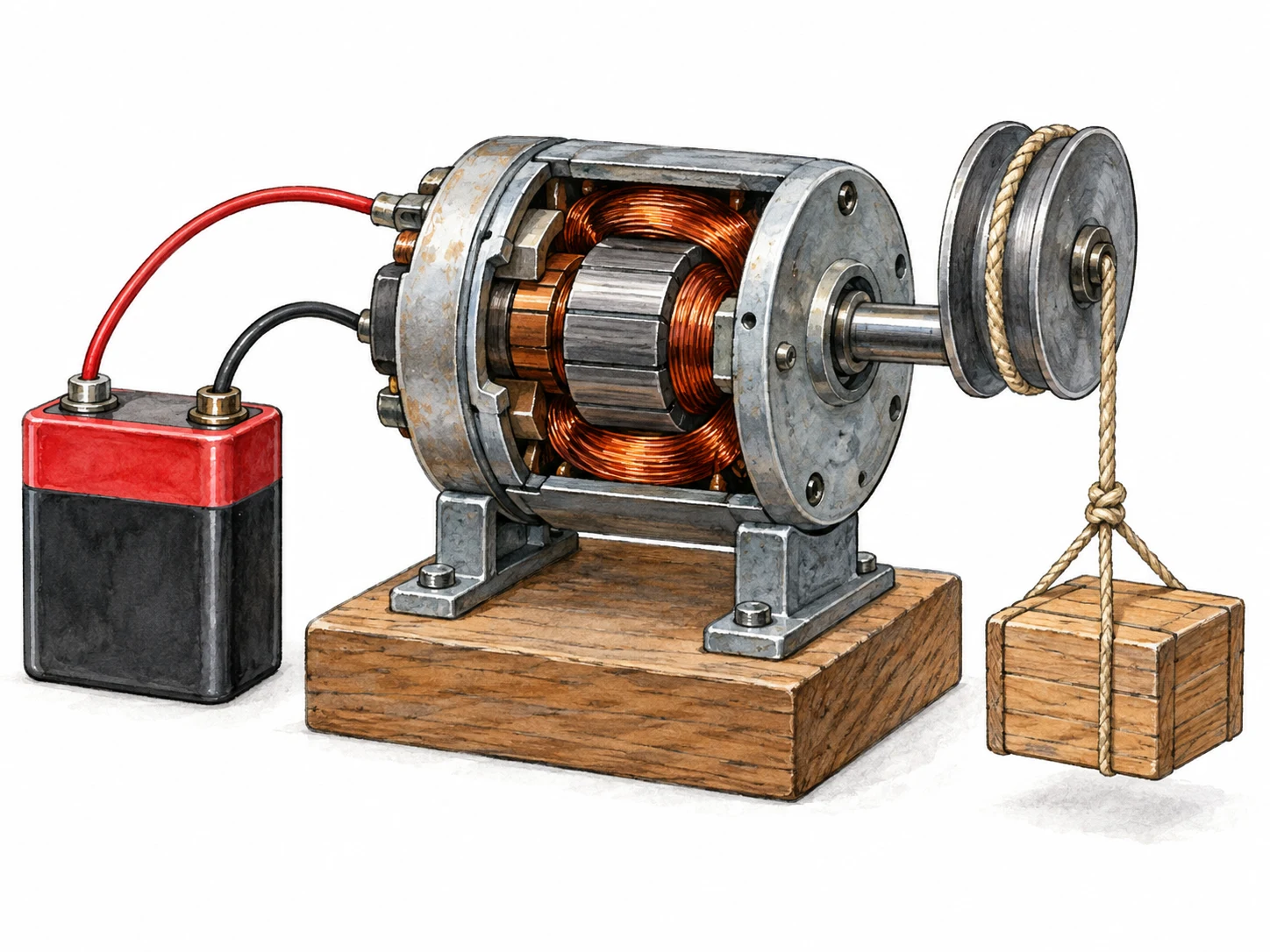
A small electric motor connected by two wires to a battery turns a shaft and pulley that lifts a little wooden load. The motor is the central subject; its copper windings are visible.
Etymology

A motor is literally a “mover,” something that imparts motion. The word narrowed from a moving agent or force to a machine that supplies motive power.

In context

TED7:25
a motor fails, a propeller fails, electronics, even a battery pack -- the machine can still fly, albeit in a degraded fashion.
Meet the dazzling flying machines of the future | Raffaello D'Andrea

More examples

  • These motors run on rechargeable batteries.
  • The trail is closed to motor vehicles.
  • We motored along the coast with the windows open.

Forms

motor · motors · motored · motoring

motorize verb — To equip something with a motor.

Similar words

engine
Often burns fuel, while a motor may use electricity.
machine
Names mechanical devices broadly, not just those supplying motive power.