verb
conserve
kuhn-SURV/kənˈsɜːrv/
To keep something from being lost, damaged, or wasted.
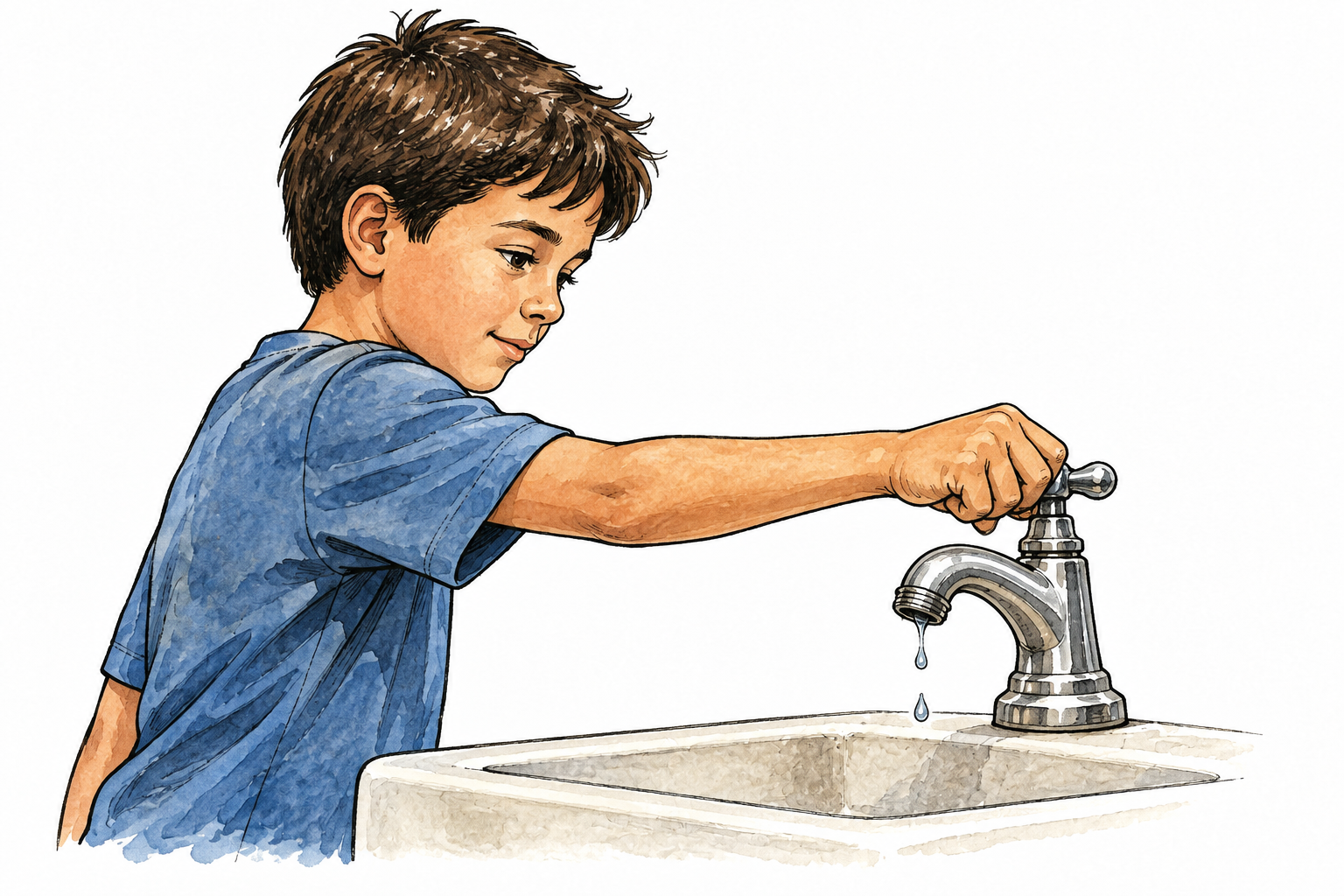
We conserve water by turning off the faucet while brushing.
Etymology
The root means keeping watch or maintaining, with the prefix perhaps adding emphasis. To conserve something is to keep it intact rather than let it suffer loss or decay.
In context
by reducing our energy wastage we can help to save the planet however as a global society we often don't make even the smallest step to conserve the energy
More examples
- The museum conserves fragile textiles for future generations.
- Rest between climbs to conserve your strength.
- Better insulation helps conserve energy during winter.
Forms
conserve · conserves · conserved · conserving
conservation noun — The protection and careful use of resources.